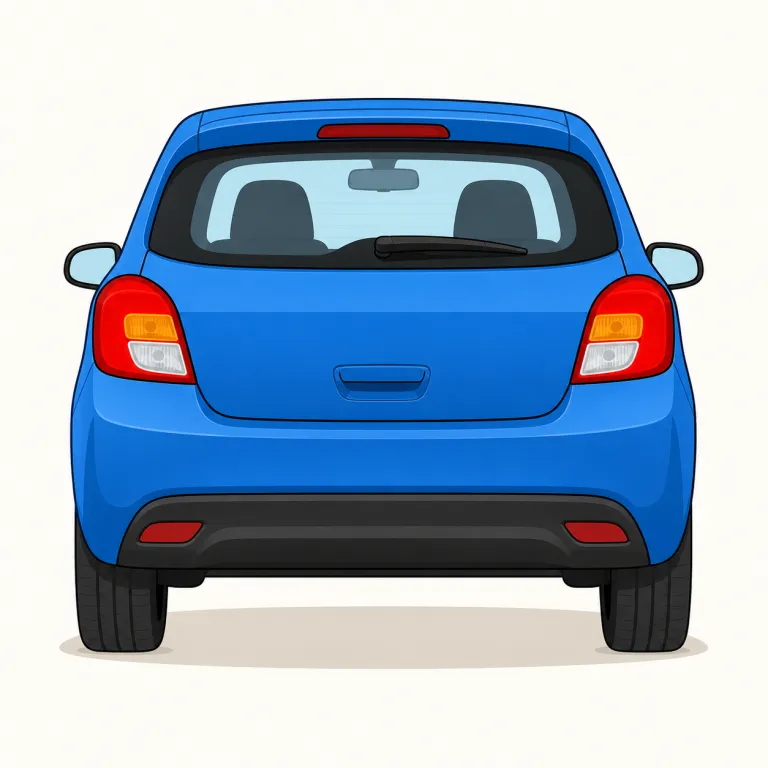
rear
rear は英検2級・TOEIC 860・TOEFL 80・IELTS 6.5レベルの英単語で、「後部、後ろ、育てる、後部の」という意味があります。発音記号は /ˈrɪr/ です。
意味一覧 (2件)
後部、後ろ
/ adjective 形容詞 後部の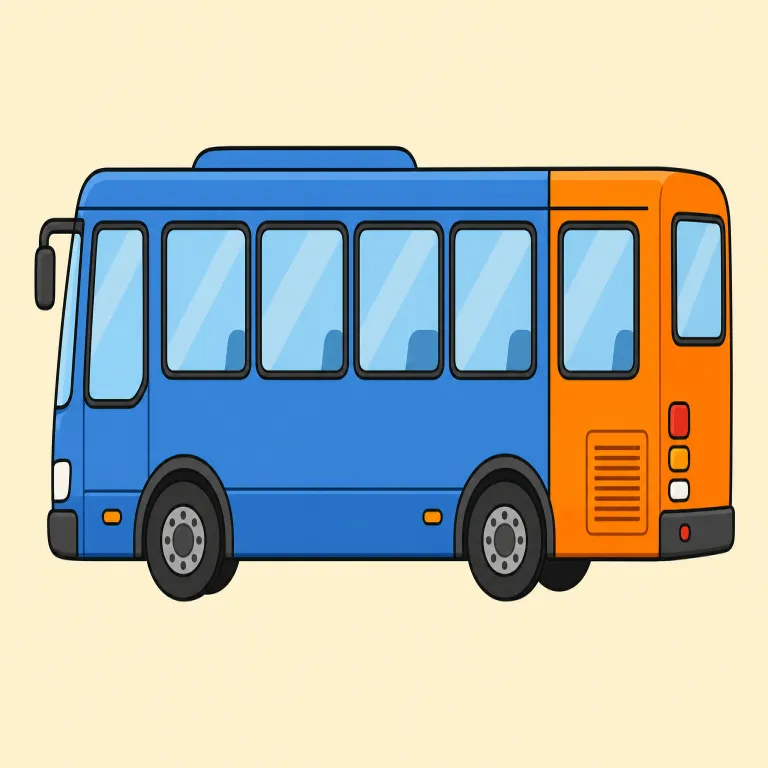
解説 Definition
建物・乗り物・列などのいちばん後ろ側の部分を指す名詞です。場所や配置を説明するときに使われ、「前部」の反対として案内表示や座席、車内の説明でよく現れます。文脈によっては「最後尾」に近い感覚でも使われます。
The back part of a building, vehicle, or line, opposite the front. This noun is often used when describing positions, seating, or where something is located.
覚え方のコツ Memory Tip
rear は front の反対側、「いちばん後ろ」と覚えると名詞の意味が定着する。家なら裏手、車なら後部、列なら最後尾を思い浮かべるとよい。at the rear of the house, in the rear of the car の形で、場所の後ろ側を指す。動詞 rear「育てる」と形は同じでも、この行では人や動物を目的語にせず、建物・乗り物・列などの後ろの部分を表す。
Think of rear as the opposite end from the front of a bus, house, or queue. Remember at the rear of the house to connect the noun with a position at the back.
例文
The rear of the bus is quiet.
バスの後部は静かです。
I sit in the rear.
私は後ろに座ります。
The rear of the car is red.
車の後部は赤いです。
育てる
(意味 2)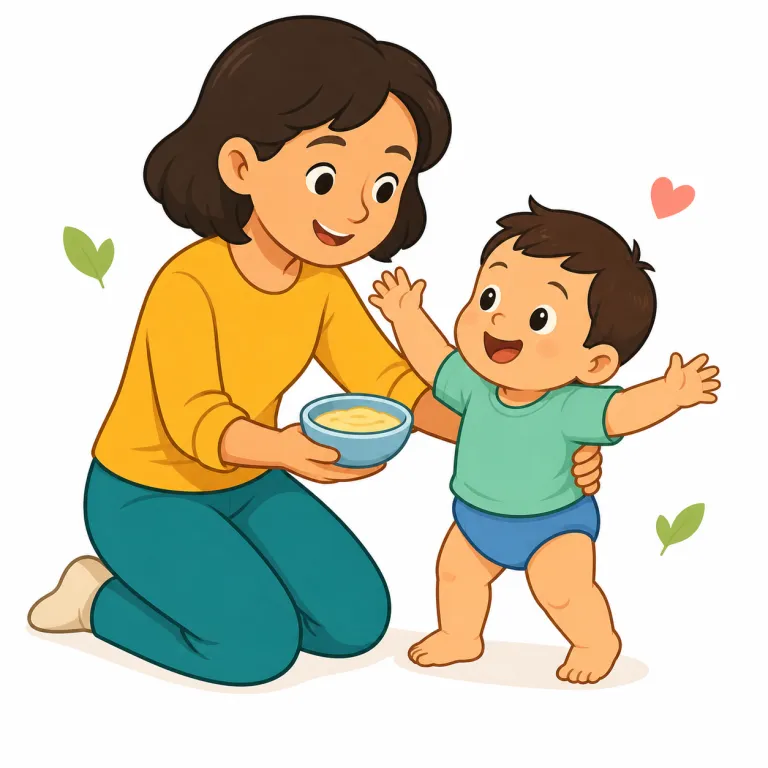
解説 Definition
「育てる」とは、子どもや動植物などを手をかけて世話をし、成長させることを意味する。愛情と時間をかけて養育し、健全に発育するよう導く行為を指す。比喩的には、人材や才能を伸ばし養成すること、あるいはある感情や考えを心の中で育てることも「育てる」と表現される。
To rear means to raise and take care of children or young animals while they grow. It is a more formal word than raise and is often used in writing or serious discussion.
覚え方のコツ Memory Tip
rear は raise に近いが、日常会話での「子どもを育てる」は raise children のほうが普通で、rear はやや硬く、親が手をかけて育成する感じや家畜を飼育する場面で出やすい。reared in the countryside, rear children, rear cattle の形で覚えると残りやすい。名詞・形容詞では「後部の」という別意味もあるので、文中で目的語が人や動物なら「育てる」をまず疑う。
Link `rear` with `raise`, but note that `rear` sounds more formal. It often appears with children or animals, as in `rear children` or `rear cattle`, so think of careful, active raising over time. Be careful because `rear` can also mean the back part of something in other contexts.
例文
She rears two children.
彼女は2人の子どもを育てます。
They rear chickens on their farm.
彼らは農場で鶏を育てています。
He reared his son alone.
彼は一人で息子を育てました。
えいたんごクイズでの正答率
この語をはじめて出題された 36人 のうち 17人 が正解しました(47%)。
えいたんごクイズの回答から集計した独自データです。1人につき最初に出題されたときの1回だけを数えており、復習や2回目以降の回答、「わからない」と時間切れは含みません。 集計時点は 2026年9月19日 です。
rear の類義語・関連語
rear の語源・成り立ち Etymology
位置を表す rear は、中英語 rere を経て、古フランス語 rere「後ろ」やラテン語 retro「後ろへ、後方に」に関係する語。『後方にあるもの』という感覚から、建物・車・列などの『後部、後ろ』を指す名詞になった。動詞 rear「育てる」は別系統で、raise と近い。
This noun came through Middle English rere and is connected with Old French rere and Latin retro, expressing 'back' or 'backward.' It developed into a name for the back part of something.
同じレベルの語彙をもっと
英検2級の一覧へ →外部辞書で調べる
この英単語をクイズで覚えよう