風潮、雰囲気
noun 名詞ある社会・組織・時代に広がっている考え方や感情の傾向を指します。political climateやclimate of fearのように使い、自然の気候ではなく、人々を取り巻く社会的な状況を表します。
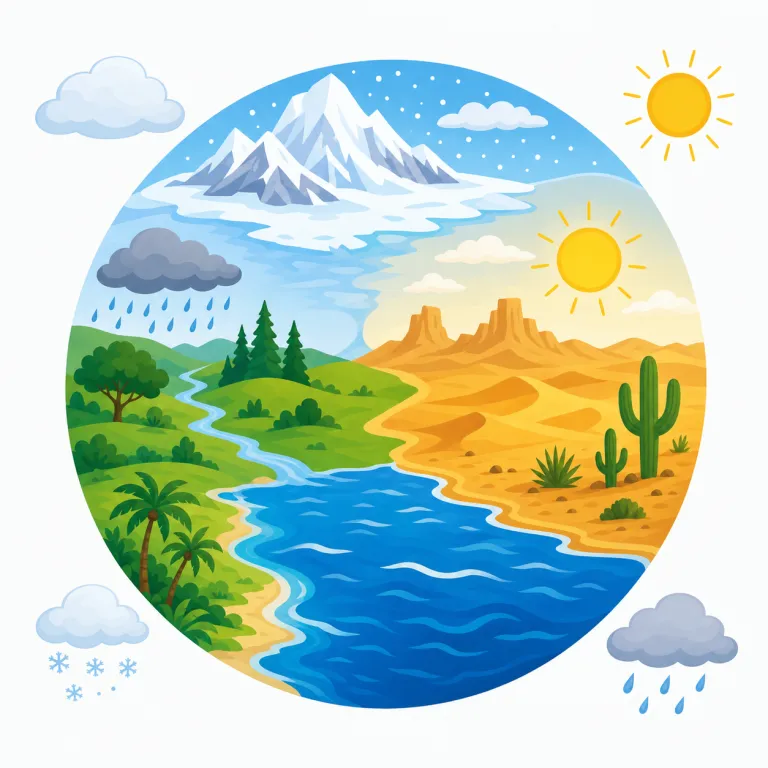
climate は英検3級・TOEIC 730・TOEFL 60・IELTS 5.5レベルの英単語で、「気候」という意味があります。発音記号は /ˈklaɪmət/ です。
特定の地域の長期的な天候パターンのこと、特に温度と降水量の傾向を指します。季節的な変化とは異なり、年間を通じた気象特性です。
Climate is the usual weather pattern of a place over a long period of time. It includes things like temperature, rain, and wind in a region. The word is also used in discussions about global warming and environmental change.
climate はまず weather と区別して覚えると定着しやすい語です。weather は今日・明日の天気、climate はその地域を長く見たときの平均的な天候傾向。ニュースの climate change を思い出せば「一時的な雨晴れではなく、長期の変化」を指す感覚がつかめます。warm climate, tropical climate のように地域の特徴と結びつけると覚えやすく、さらに business climate のように「全体の情勢・空気」という広がった意味にも使えるので、「短期ではなく長期の傾向」を核にすると忘れにくいです。
The best memory hook is the contrast with `weather`. `Weather` is short-term, like today or tomorrow, but `climate` is the long-term pattern of a place. If you remember `climate change`, it is easier to keep that long-term feeling in mind.
The climate here is warm.
ここの気候は暖かいです。
This climate is good for rice.
この気候は米作りによいです。
A cold climate makes life difficult.
寒い気候では生活が大変です。
文脈によって、次の意味でも使われます。
ある社会・組織・時代に広がっている考え方や感情の傾向を指します。political climateやclimate of fearのように使い、自然の気候ではなく、人々を取り巻く社会的な状況を表します。
climate は古フランス語 climat、ラテン語 clima、さらにギリシャ語 klima「傾き・地帯」に由来する。語根は「傾く」を表す *klei- で、もとは太陽の当たり方が変わる地球の“傾き”から地域差を捉えた語なので、そこから「気候」になった流れが見える。関連語は incline、recline。
"Climate" came into English through Old French and Latin from Greek "klima," meaning slope or inclination. The Greek word was linked to the idea of the earth's tilt and the angle of the sun in different regions. From that idea, the word came to mean the usual weather pattern of a place. Related English words from the same root include "incline" and "recline."
この英単語をクイズで覚えよう