
then
then は英検4級レベルの英単語で、「そのとき、それから、その場合は」という意味があります。発音記号は /ðɛn/ です。
意味一覧 (3件)
そのとき
解説 Definition
「then」は時間の流れで「そのとき」や「そのあと」を示す副詞です。結果や手順をつなげるときにも使い、「〜してからその後に〜」という感じで自然になります。過去の出来事を語るときにも当時の状況を振り返る言い方です。
Then means at that time or after that. It is used to show time, order, or the next step in a sequence. It is very common in stories, instructions, and conversations about events.
覚え方のコツ Memory Tip
then は「時間や話の流れを次へ進める合図」として覚えると残りやすい語です。まず A, then B の形で「まずA、それからB」と手順に結びつけると強いです。過去の話では back then「当時は」、since then「それ以来」、from then on「その時からずっと」のように、ある時点を基準に前後を整理する働きがよく出ます。似た形の than は比較「〜より」なので、then は順番・時点、than は比較と切り分けると混同しにくくなります。
Think of `then` as a signal that moves time or a story forward: first A, then B. It also works well in time phrases like `back then`, `since then`, and `from then on`. Keep it separate from `than`: `then` is about time or order, `than` is for comparison.
例文
I was at home then.
私はそのとき家にいました。
My mother was busy then.
母はそのとき忙しかったです。
We were in class then.
私たちはそのとき授業中でした。
それから
(意味 2)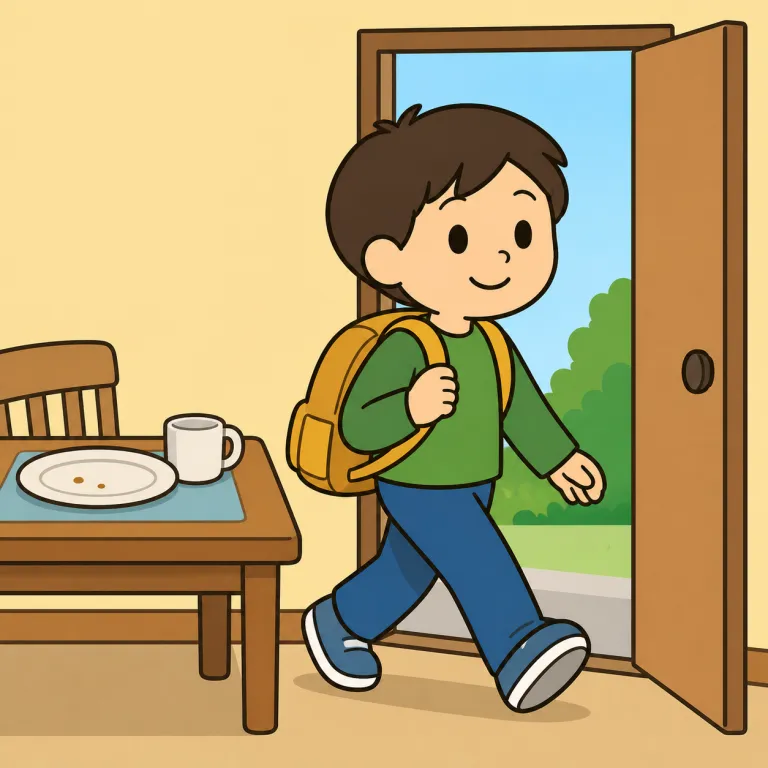
解説 Definition
出来事や動作が時間順に続くことを示し、「まずAし、それからBする」のように手順や話の流れをつなぐときに使う。過去の出来事の説明にも、予定や指示の順序を述べる場面にも使え、「そのとき」ではなく前の内容の次に起こることを表す。
After the action or event just mentioned, as the next step in a sequence. This adverb helps put instructions, plans, or past events in time order.
例文
We ate dinner, then took a walk.
私たちは夕食を食べ、それから散歩しました。
Finish your homework. Then you can watch TV.
宿題を終えなさい。それからテレビを見ていいよ。
First mix the eggs, then add the milk.
まず卵を混ぜ、それから牛乳を加えなさい。
その場合は
(意味 3)
解説 Definition
前に述べた条件や状況を受けて、「もしそうなら」「そういうことなら」という帰結や判断を導くときに使う。会話では提案・決定・結論を一歩進める働きがあり、条件節の後でも独立した文頭でも使われる。時間の順序ではなく、前提から自然に導かれる対応を示す語。
In that case, given the condition or situation just mentioned. This adverb introduces a decision, response, or conclusion based on that condition.
覚え方のコツ Memory Tip
then は「前に出た話を受けて、次の判断へ進める合図」と覚えるとこの意味に合います。If the train is canceled, then we'll take a bus. なら、時間の「それから」ではなく、「電車がだめなら、その場合はバス」という条件からの結論です。A, then B の手順用法とは切り分けて、会話では「そういうことなら、では」と返す語として押さえると定着します。
Connect if A, then B with choosing a response to a condition. In If the train is canceled, then we'll take a bus, the word signals the decision that follows from the situation.
例文
If it rains, then stay home.
雨が降ったら、家にいなさい。
You don't need it? Then I'll use it.
君には要らないの? では私が使うよ。
If everyone agrees, then let's start the meeting.
みんなが賛成なら、会議を始めましょう。
then の類義語・関連語
対義語
紛らわしい語
then の語源・成り立ち Etymology
then は古英語 þanne / þænne に由来し、もとは「その・あの」を表す指示語の仲間でした。つまり本来の感覚は「その時に」で、現代の then「そのとき」の意味に自然につながります。同じ語族には that, than があります。
From Old English thanne or thaenne, part of the same word family as pointing words like that. Its basic sense was "at that time." That is why modern then still means a time connected to something already mentioned, and it is related to both that and than.
同じレベルの語彙をもっと
英検4級の一覧へ →外部辞書で調べる
この英単語をクイズで覚えよう