意味一覧 (2件)
一打、ひと振り
解説 Definition
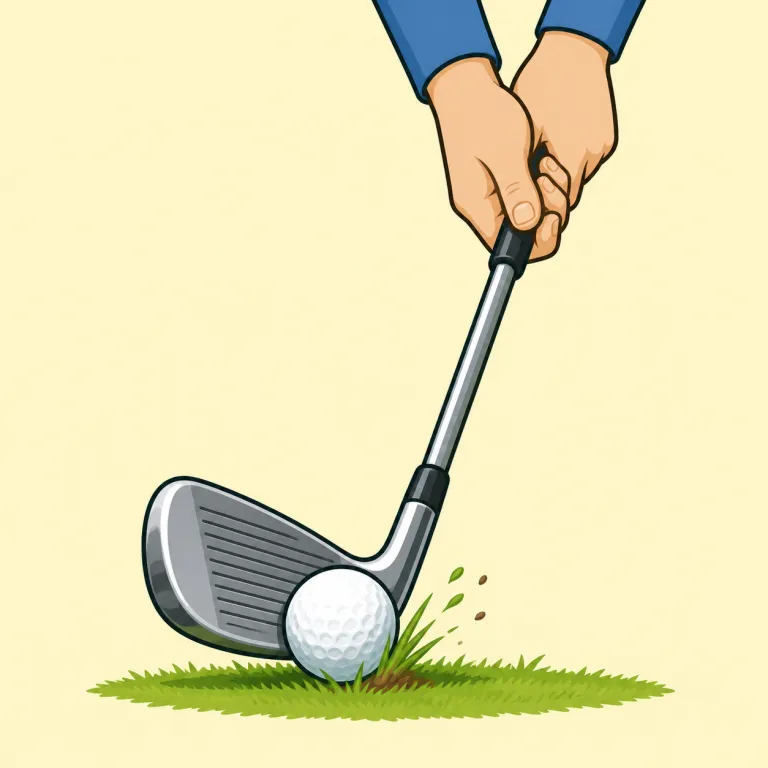
手や道具を動かして、何かを一度打つことや一度振ることです。ボールを打つ、ベルを鳴らす、オールをこぐなど、一回のはっきりした動きを数えるときに使います。
A stroke is one clear hit or swing made with a hand, tool, or similar object. It often means a single movement used to hit, strike, or move something.
覚え方のコツ Memory Tip
stroke は、手や道具を一方向へ動かして行う「一回分のはっきりした動作」と捉えると定着しやすいです。ゴルフクラブを振ってボールを一度打つ場面を思い浮かべ、one stroke「一打」、a powerful stroke「力強いひと振り」と数えられる名詞として覚えましょう。hit が「打つという行為」や「命中」に注目するのに対し、stroke は振り始めから振り終わりまでの一動作を数える感覚です。水泳の一かきやボートのオールの一こぎにも同じ像が使えます。
Picture one smooth movement of a hand, hammer, bat, or oar. One movement, one hit or swing: that is a stroke.
例文
He hits the ball with one stroke.
彼は一打でボールを打ちます。
His stroke sends the ball far.
彼の一打がボールを遠くへ飛ばします。
His strong stroke sends the ball far.
彼の力強い一打でボールが遠くへ飛びます。
なでる
(意味 2)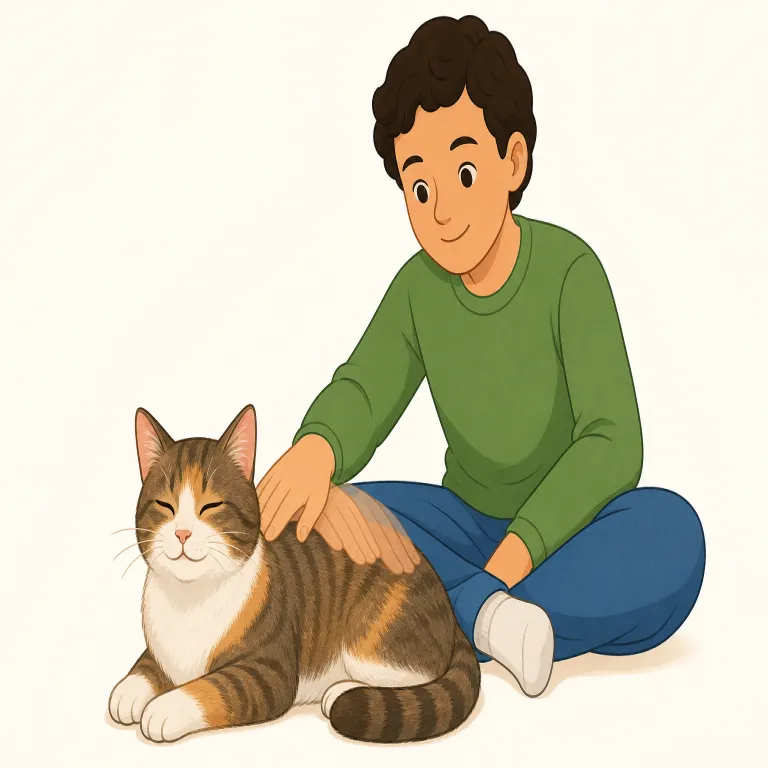
解説 Definition
指や手で軽く優しく触って動かすこと。髪や肌などを柔らかく撫でる動作を表します。
To stroke something means to move your hand gently over it again and again. It is often used when touching a person or animal in a calm, caring way. The word suggests softness and smooth, slow movement.
覚え方のコツ Memory Tip
stroke は『表面に沿って、手をすっと動かす』一本のなめらかな動きを核にすると覚えやすいです。猫をなでるなら stroke a cat、髪をなでるなら stroke her hair のように、やさしく連続して触れる場面でよく使います。pat が軽くぽんぽん触る感じなのに対し、stroke は手をすべらせる感じ。名詞で『一筆・ひとかき』もあるので、『手や筆が一回すっと走る』イメージでまとめると定着します。つづりが似た strike は『打つ』なので混同注意です。
Remember `stroke` as a slow, gentle hand movement along a surface. It often goes with soft things like `stroke a cat` or `stroke her hair`, so the feeling is calm and continuous. Contrast it with `pat`, which is shorter and lighter, and watch the spelling because it looks close to `strike`.
例文
She gently stroked his hair.
彼女は彼の髪を優しくなでた。
The cat enjoys being stroked.
その猫はなでられるのが好きです。
He stroked his chin thoughtfully.
彼は考えながら顎をなでた。
stroke の類義語・関連語
類義語
対義語
stroke の語源・成り立ち Etymology
古い英語の stracian に関係し、「なでる」「こする」という動作を表していました。そこから、手や道具を一度動かして当てる動きも表すようになりました。
Stroke is related to Old English stracian, meaning "to stroke, rub, or pass the hand over." Its meaning developed to include one movement of the hand or a tool, especially a hit or swing.
同じレベルの語彙をもっと
外部辞書で調べる
この英単語をクイズで覚えよう