miss
意味一覧 (4件)
外す、見落とす
解説 Definition
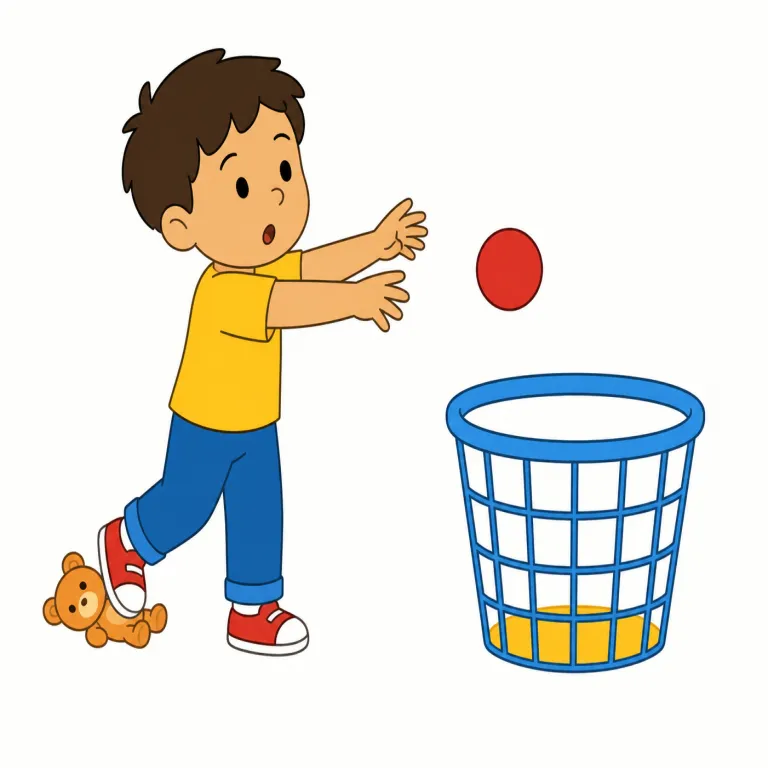
狙った対象に当たらない時にも、重要な点や言葉に気づけない時にも使う用法。標的を外す、細部を見落とす、発言を聞き取れないなど、物理的にも情報的にも何かを捉えそこなう感覚を表す。
As a verb, miss means to fail to hit, catch, hear, or notice something that you were supposed to reach or understand. It can be used for physical actions, such as missing a target or a bus, and also for information, such as missing an important point or not hearing a word clearly. The core idea is that the expected connection does not happen. Because of that same idea, miss can also develop into the feeling that someone or something is absent from your life.
覚え方のコツ Memory Tip
miss は「取り逃がす・そこにない」と一つの芯で覚えると定着しやすい語。バスに乗りそこねる、的を外す、授業を休んで逃す、は全部『本来あるはずの接点を失う』感覚。その延長で、人や場所が自分のそばに“いなくて欠けている”と I miss you. / I miss my hometown. になり、「恋しく思う」へつながる。romantic な愛情に限らず、家族・友人・故郷・昔の生活にも広く使える。
A good way to remember miss is to keep one central image: you fail to make the connection that should have happened. If you miss the bus, miss the target, or miss a class, the chance or contact is lost. From the same idea, if a person or place is not with you, it feels missing in your life, so you say I miss you or I miss my hometown. This is not only for romantic love; it is also common for family, friends, home, and past routines.
例文
He aimed carefully, but he still missed the target.
彼は慎重に狙ったが、それでも的を外した。
I think you missed an important detail in the report.
その報告書の重要な細部を見落としたと思います。
Sorry, I missed what you said at the end of the meeting.
すみません、会議の最後の言葉を聞き取れませんでした。
恋しく思う
(意味 2)解説 Definition
離れている人・場所・昔の生活などを思い出し、そこにないことを寂しく感じる動詞です。単なる記憶ではなく、愛着のある対象が不在で心に空白がある、という個人的な感情を表します。
To feel sad because someone or something is not with you anymore. It is commonly used for people, places, or times that you want to have again. It often expresses emotional absence rather than simple lack.
覚え方のコツ Memory Tip
この miss は「そばにいない人・失った時間や場所を、心で寂しく感じる」意味です。鍵になる形は I miss you. で、恋人だけでなく家族、友人、故郷、昔の生活にも使えます。基本義の「逃す、乗り損なう」と同じく何かが欠けている感覚がありますが、ここでは予定や機会ではなく、愛着のある対象の不在が感情として残っている点に注目しましょう。
For this `miss`, think of a person or time being absent, but still staying in your heart. `I miss you` is the key pattern, and it helps connect the word with emotional distance, not just loss. It is wider and softer than romantic words like `love`.
例文
She misses her family deeply since moving abroad.
海外に引っ越してから、彼女は家族のことを深く恋しく思っている。
I miss the smell of my grandmother's cooking.
祖母の料理の香りが恋しい。
He said he missed his old friends from university.
彼は大学時代の旧友たちを恋しく思っていると言った。
逃す
(意味 3)解説 Definition
乗り物・締め切り・好機などに間に合わず、利用したり得たりできない時の用法。電車や飛行機に乗り遅れる場合にも、機会や期限を逃す場合にも使われ、遅れた結果として手にできなかったという含みがある。
As a verb, miss means to be too late for something such as a bus, train, deadline, or chance, so you cannot use it or get it. It is used when you fail to catch, reach, or take something at the right time. It can describe missing transportation, an opportunity, a class, or an important moment because you were late or absent.
例文
I missed the last train home and had to take a taxi.
終電を逃して、タクシーで帰らなければならなかった。
If you miss the deadline, your application will not be accepted.
締め切りを逃すと、応募は受理されません。
She was sick and missed an important meeting at work.
彼女は体調を崩して、仕事の大事な会議を逃した。
欠席する
(意味 4)解説 Definition
授業・会議・仕事など、本来出るはずの場に出ないことを表す用法。予定された活動に参加しない、または病気や都合で欠席するという意味で使われ、どの行事や時間を欠いたかを具体的に示すことが多い。
As a verb, miss can mean not being present for a class, meeting, day of work, or other planned activity that you were expected to attend. It is often used when someone stays away because of illness, personal reasons, or a schedule problem. This use usually points to the specific event, lesson, or time that was not attended.
例文
She missed school for two days because of a fever.
彼女は熱が出て学校を2日欠席した。
If you miss the staff meeting, please read the notes afterward.
もし職員会議を欠席したら、あとで記録を読んでください。
Several students missed the morning lecture due to train delays.
電車の遅れで何人かの学生が朝の講義を欠席した。
miss を含む表現
句動詞・イディオムなど 4 件。クリックで各表現の詳細へ。
miss の語源・成り立ち Etymology
「miss」は古英語 missan「届かない、取り逃がす」に由来するゲルマン系の語で、語幹 miss- が「欠ける・外れる」の核です。missing や amiss に同じ感覚が残り、人がいないことで心に空白ができるところから「恋しく思う」へ広がったと考えると意味の跳び方が自然です。
Miss comes from Old English missan, meaning "to fail to hit" or "to fail to reach." The root miss- carries the idea of being absent, lacking, or going wrong. From that sense, the word later also developed the meaning of feeling the absence of a person or place.
外部辞書で調べる
この単語を英単語クイズで覚えよう