
cheating
cheating はTOEIC 860・TOEFL 80・IELTS 6.5レベルの英単語で、「不正をする、だます、不正行為、浮気をする」という意味があります。発音記号は /ˈtʃiːtɪŋ/ です。
不正をする
/ noun 名詞 不正行為
解説 Definition
試験やゲームで規則を破って不正な方法を使い、勝利や利益を得ようとする行動です。相手やルールを裏切って短絡的に優位に立とうとする姿勢を表しています。
Cheating means acting dishonestly to get an unfair advantage. It is commonly used for school tests, games, sports, and relationships. The word usually has a strong negative meaning because it involves breaking trust or rules.
覚え方のコツ Memory Tip
cheating は cheat の動名詞・現在分詞で、核は「正面から勝たず、ルールや相手をごまかして得をする」こと。まず cheat on a test、cheat in a game、cheat the system の3場面で覚えると定着しやすいです。cheater はその人、fair play の反対側に置くと整理しやすい。lie は単にうそ、steal は盗むで、cheat は約束や制度を破って不当に利益を取る感じが中心。恋愛文脈の cheating も「信頼を裏切るずるさ」という芯は同じです。
Start with `cheat`, then remember `cheating` as the action form. Learn it through scenes like `cheating on a test`, `cheating in a game`, and `cheating the system`. It is not just lying or stealing; the main idea is getting an unfair advantage by breaking rules or trust.
例文
Cheating on exams is against school rules.
試験で不正をすることは学校の規則に反しています。
Copying another student's answers is cheating.
他の生徒の答えを写すことは不正です。
Cheating in games ruins the fun for other players.
ゲームで不正をすることは他のプレイヤーの楽しみを台無しにします。
だます
(意味 2)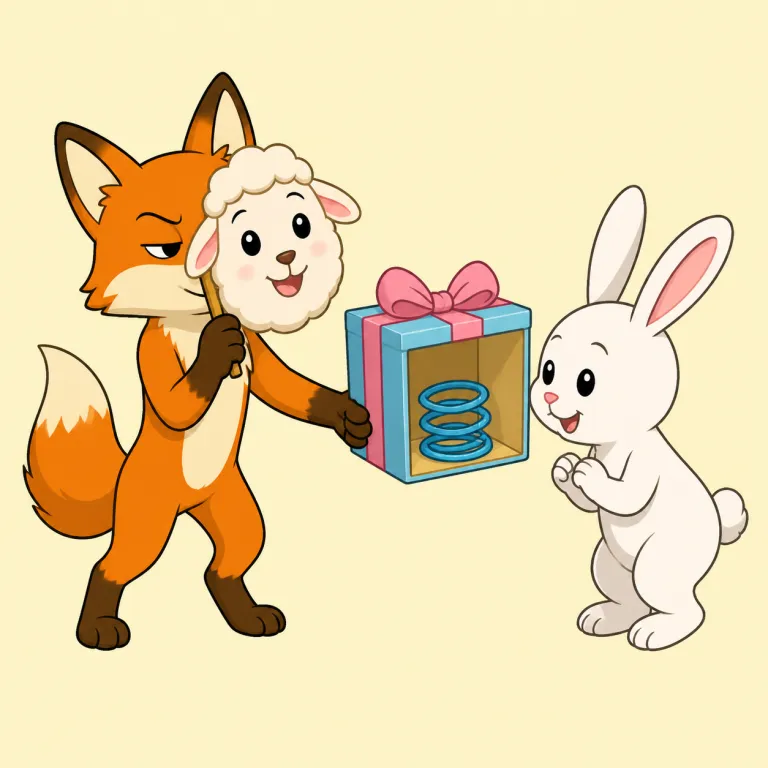
解説 Definition
人に事実と違うことを信じさせて利益を得たり、相手を不利な立場に置いたりすることを表す。金銭、約束、恋愛、商売など幅広い場面で使え、単なる勘違いではなく意図的にごまかす響きが強い。相手の信頼を利用する場合にもよく使う。
Deliberately deceiving someone to gain an unfair advantage or deprive them of something. It involves dishonest treatment that often takes advantage of the person's trust.
例文
He was cheating customers by selling fake watches.
彼は偽物の腕時計を売って客をだましていた。
They are cheating people online with fake ticket sales.
彼らは偽のチケット販売でネット上の人々をだましている。
He was cheating her out of her money.
彼は彼女から金をだまし取っていた。
浮気をする
(意味 3)
解説 Definition
恋人や配偶者がいるのに、別の相手と恋愛的または性的な関係を持つことを表す。信頼や誠実さを破る行為として日常会話でよく使われる。単なる親しい交流ではなく、関係の裏切りを含む意味合いが強い。
Having a romantic or sexual relationship with someone else in a way that betrays an existing partner or spouse. It refers to breaking the trust and commitment of that relationship.
例文
He was cheating with a coworker, so she left him.
彼が同僚と浮気していたので、彼女は彼と別れた。
He denied cheating on his wife during the business trip.
彼は出張中に妻を裏切って浮気したことを否定した。
Their marriage ended because he kept cheating.
彼が何度も浮気をしたため、二人の結婚生活は終わった。
cheating の類義語・関連語
類義語
対義語
派生語
cheating の語源・成り立ち Etymology
中英語 cheten の短縮形で、古フランス語 escheat(没収財産)に由来する。元は封建制度で領主が財産を没収する意味だったが、「不当に奪う→だます」へと意味が変化した。関連語: escheat(財産没収)、cheater(詐欺師)。
"Cheating" comes from the verb "cheat," from Middle English "cheten," a shortened form related to Old French "escheat." "Escheat" was a legal term for property taken back by a lord, so the early idea was taking something away unfairly or by claim. That sense shifted from official seizure to dishonest taking, and then more generally to deception. Related words include "escheat" and "cheater."
同じレベルの語彙をもっと
TOEIC 860の一覧へ →外部辞書で調べる
この英単語をクイズで覚えよう