lie
lie は英検4級・TOEIC 600レベルの英単語で、「嘘をつく、横たわる」という意味があります。発音記号は /ˈlaɪ/ です。
意味一覧 (2件)
嘘をつく
解説 Definition
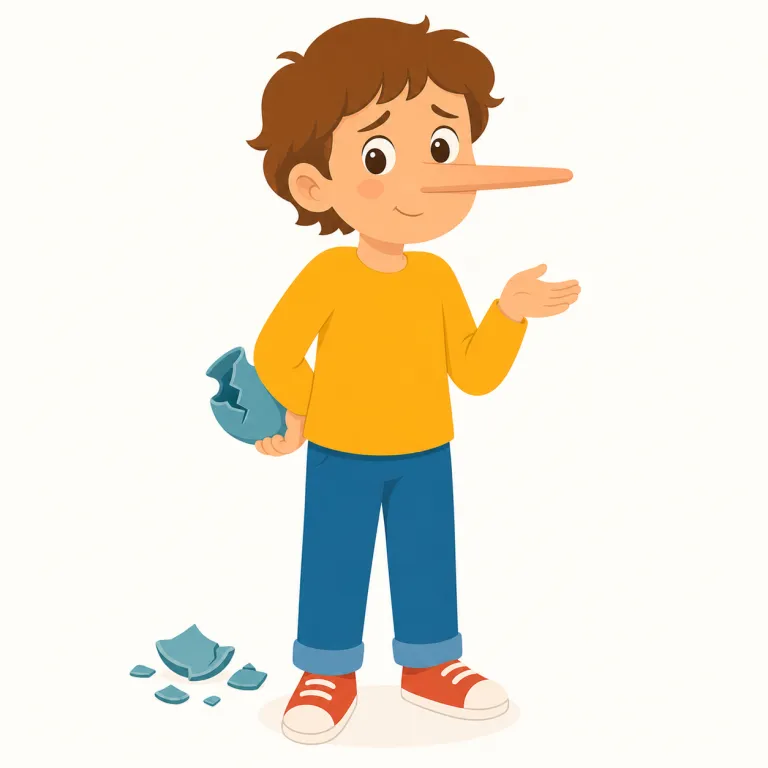
事実でないことを本当のように言うこと。真実を隠して偽りを述べる行為です。
To lie means to say something that is not true in order to deceive someone. It is commonly used when talking about dishonesty in personal life, work, or public situations. Be careful not to confuse this verb with lie meaning to rest in a flat position.
覚え方のコツ Memory Tip
まず「事実をそのまま言う」のが tell the truth、その反対に「事実を曲げて言う」のが lie と対で覚えると残りやすいです。名詞でも a lie「うそ」になるので、動詞と名詞が同じ形の基本語だと意識すると定着します。派生語の liar「うそつき」も頻出。I lied to you, lie about one’s age のように「人に対して」「内容について」と一緒に出やすいです。なお lie には「横たわる」もあり、文脈で見分けること、過去形 lied と lay を混同しないことが重要です。
Remember it with its opposite: `tell the truth` vs `lie`. It is also a noun in `a lie`, and the related person word is `liar`, so the whole word family stays together. Be careful not to mix it with the other `lie` meaning `rest flat`, which has different forms.
例文
Do not lie to me.
私に嘘をつかないで。
He lies about his age.
彼は年齢について嘘をつきます。
She lied to her mother.
彼女は母親に嘘をつきました。
えいたんごクイズでの正答率
この語をはじめて出題された 52人 のうち 45人 が正解しました(87%)。
えいたんごクイズの回答から集計した独自データです。1人につき最初に出題されたときの1回だけを数えており、復習や2回目以降の回答、「わからない」と時間切れは含みません。 集計時点は 2026年9月19日 です。
横たわる
(意味 2)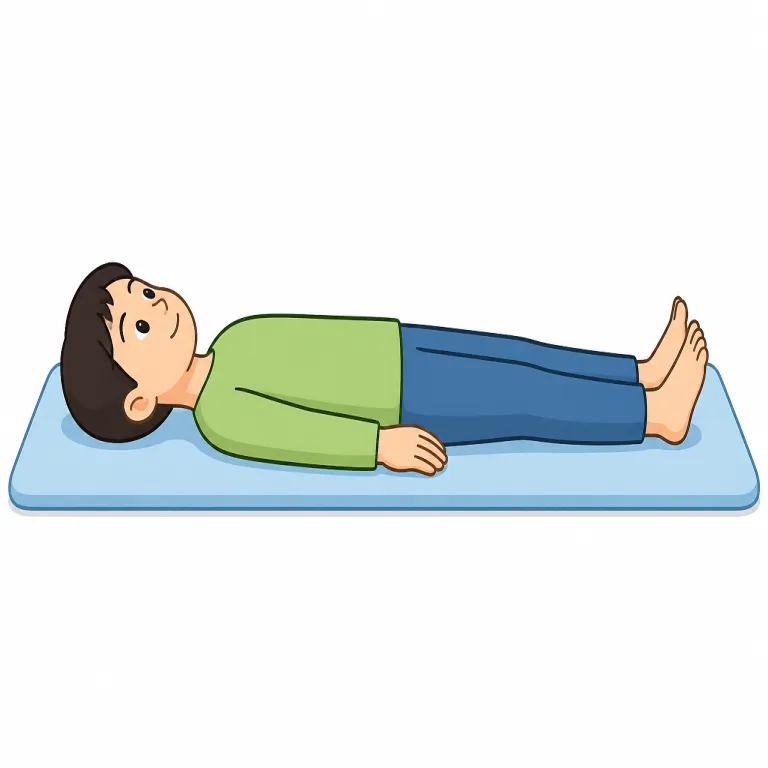
解説 Definition
人や動物が体を横にしていること、また物が平らに置かれている状態を表す基本動詞です。ベッドや床、芝生の上などで休む場面でよく使われます。自分で横になる動作・状態を言い、他動詞の lay とは区別されます。
To be in a flat or resting position, with your body stretched out on a surface. This verb also describes an object resting flat on something.
覚え方のコツ Memory Tip
lie は同じつづりで「うそをつく」もありますが、この語義では「体を横にしている」と切り分けて覚えるのが大事です。bed, floor, grass, sun など場所と一緒に出たら、たいてい横たわる lie。A cat was lying in the sun なら、猫が日なたで寝そべっている場面です。他動詞 lay「横たえる」と違い、lie は自分が横になる・横たわっている動きや状態を表します。過去形 lay、過去分詞 lain も、嘘の lied とは別に覚えましょう。
Picture a cat stretched out on a sunny patch of grass to remember lie. Lie describes the subject's own position, while lay means putting someone or something down. Remember the forms lie, lay, and lain together.
例文
He lay on the bed and closed his eyes.
彼はベッドに横たわって目を閉じた。
A cat was lying in the sun.
猫が日なたに横たわっていた。
The book lay open on the desk.
その本は机の上に開いたまま置かれていた。
lie の類義語・関連語
類義語
対義語
派生語
紛らわしい語
lie を含む表現
句動詞・イディオムなど 3 件。クリックで各表現の詳細へ。
lie の語源・成り立ち Etymology
lie「嘘をつく」は古英語 leogan 由来のゲルマン系語で、現代語のような接頭辞・接尾辞の分解はほぼありません。核には「人を欺く」という古い感覚があり、belie や liar も同根なので、事実をねじ曲げる行為としての lie が見えてきます。
Lie in the sense of "tell a falsehood" comes from Old English leogan, a Germanic verb. It has been used since early times for the act of deceiving or speaking falsely. The meaning stayed quite close over time, centered on distortion of truth. Related words include liar and belie.
同じレベルの語彙をもっと
英検4級の一覧へ →外部辞書で調べる
この英単語をクイズで覚えよう