灰汁
解説 Definition
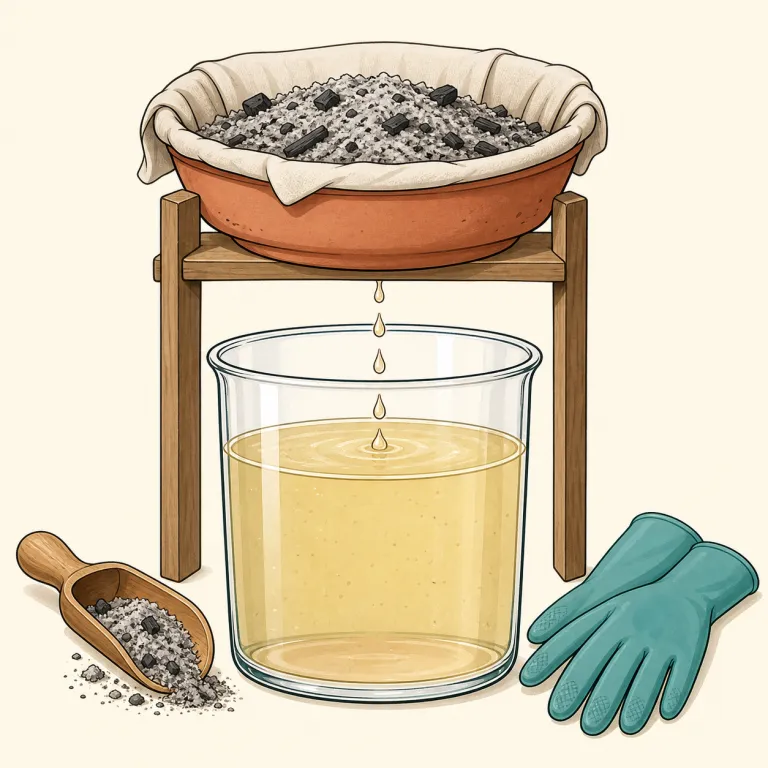
灰汁は、石鹸作りや洗浄などに使われる強いアルカリ性の液体・溶液です。もともとは植物の灰から抽出したものを指しますが、現代では水酸化ナトリウムなどの強アルカリも指します。
Lye is a very strong alkaline substance used in making soap, cleaning, and some industrial processes. It can burn skin and damage materials, so it is usually mentioned in technical or safety contexts. The word often refers to sodium hydroxide or a similar chemical.
覚え方のコツ Memory Tip
lye は alkali の中でも、特に石鹸作りや強い洗浄剤の場面で出る具体的な物質として覚えると残りやすい語です。昔ながらの植物の灰から取る強アルカリ液や、現代の水酸化ナトリウムのような苛性アルカリを思い浮かべ、soap, solution, cleaner とセットで記憶すると定着します。make soap with lye, a lye solution の形で見かけやすく、抽象語ではなく作業現場の語だと意識するのがコツです。つづりが短いため lie と見間違えやすい点には注意。「うそ」ではなく、汚れを落とすが皮膚には危険なくらい強いアルカリ、というイメージで固定すると外しにくくなります。
Remember lye through soap-making and strong cleaning liquids. It is a very specific alkali, often in phrases like "lye solution" or "make soap with lye." Be careful not to confuse it with lie, because lye is the short word for a powerful chemical.
例文
Historically, lye was used in the production of soap and as a cleaning agent.
歴史的に、灰汁は石鹸の製造や洗浄剤として使われていました。
The workers handled lye carefully due to its caustic and dangerous nature.
腐食性があり危険なため、作業員は灰汁を慎重に扱いました。
Lye dissolves organic matter and was essential in colonial-era laundry practices.
灰汁は有機物を溶かし、植民地時代の洗濯に欠かせないものでした。
lye の類義語・関連語
紛らわしい語
lye の語源・成り立ち Etymology
lye は古英語 lēag、さらにゲルマン祖語 *laugō にさかのぼる語です。もとは灰から取る「洗浄用のアルカリ液」で、汚れを溶かす働きがそのまま語義になりました。ドイツ語 Lauge やオランダ語 loog も同根です。
Lye comes from Old English lēag and goes back to a Germanic root also seen in German Lauge and Dutch loog. It originally meant the alkaline liquid made from ashes, used for washing and cleaning. Because that substance was known for dissolving dirt, the word stayed closely tied to that specific cleaning liquid.
同じレベルの語彙をもっと
外部辞書で調べる
この英単語をクイズで覚えよう