狭心症
解説 Definition
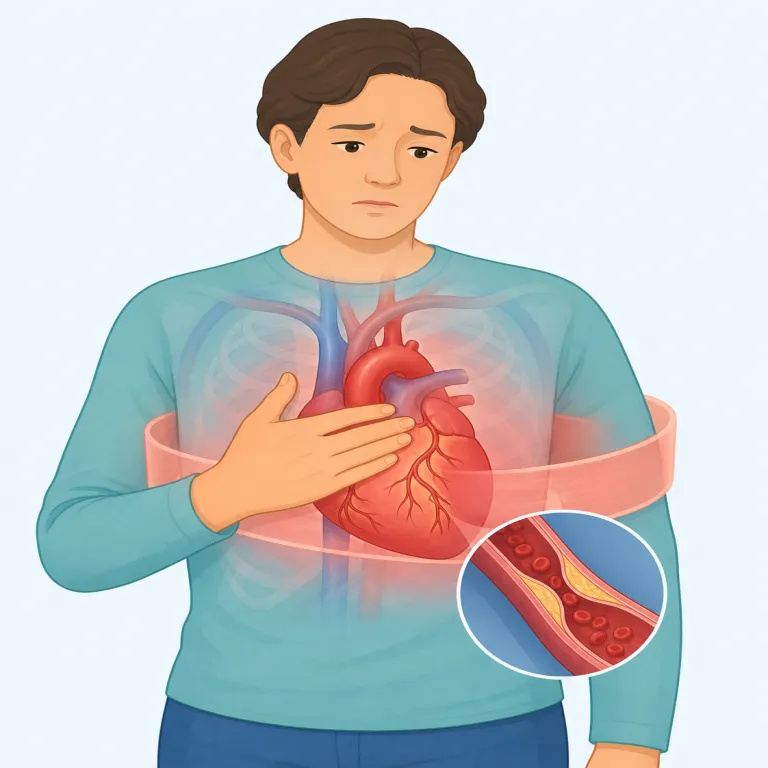
狭心症とは、心臓に十分な血液が流れなくなることで起こる心臓病です。胸に痛みや圧迫感を感じることが特徴で、心筋梗塞の前兆となることがあります。
Angina is chest pain caused by reduced blood flow to the heart. It is a medical term used when talking about heart-related problems and symptoms. It refers to a serious health condition, not just general chest discomfort.
覚え方のコツ Memory Tip
angina は「心臓の病名一般」ではなく、「血流不足で胸がぎゅっと締めつけられる状態」を映像で覚えると残りやすい。chest pain や pressure と結びつけ、stable angina / unstable angina という言い方も一緒に見ると記憶が固定される。heart attack と同一視せず、その前段階・警告として現れることがある語だと整理すると、狭心症の位置づけを取り違えにくい。
Remember this word through common medical pairs like `stable angina` and `unstable angina`. It is useful to connect it with the image of chest pressure or tightness, not with every heart problem in general. Keeping it separate from `heart attack` helps fix its place in your memory.
例文
The doctor diagnosed angina after he reported chest pain during exercise.
運動中に胸が痛むという訴えを受け、医師は狭心症と診断しました。
Patients with angina should avoid strenuous exercise.
狭心症の患者は激しい運動を避けるべきです。
Angina can cause chest pain when the heart does not get enough blood.
狭心症では、心臓に十分な血液が届かないと胸の痛みが起こることがあります。
angina の語源・成り立ち Etymology
angina はラテン語 angina「喉の締めつけ」に由来し、背景にはギリシャ語 ankhone やラテン語 angere「締める」がある。anguish や anxious と同根で、「締めつけられる苦しさ」が胸や喉の病名になったとわかる。
Angina comes from Latin angina, which referred to a choking or tight feeling in the throat. It is linked to Latin angere, meaning "to choke" or "to squeeze," and to related Greek forms. The central idea of tightness or strangling later became the basis for the medical sense. It shares its root with anguish and anxious.
同じレベルの語彙をもっと
外部辞書で調べる
この英単語をクイズで覚えよう