chest
chest は英検準2級・TOEIC 600レベルの英単語で、「胸、胸部、大箱、ひつ、たんす」という意味があります。発音記号は /ˈtʃɛst/ です。
意味一覧 (3件)
胸、胸部
解説 Definition
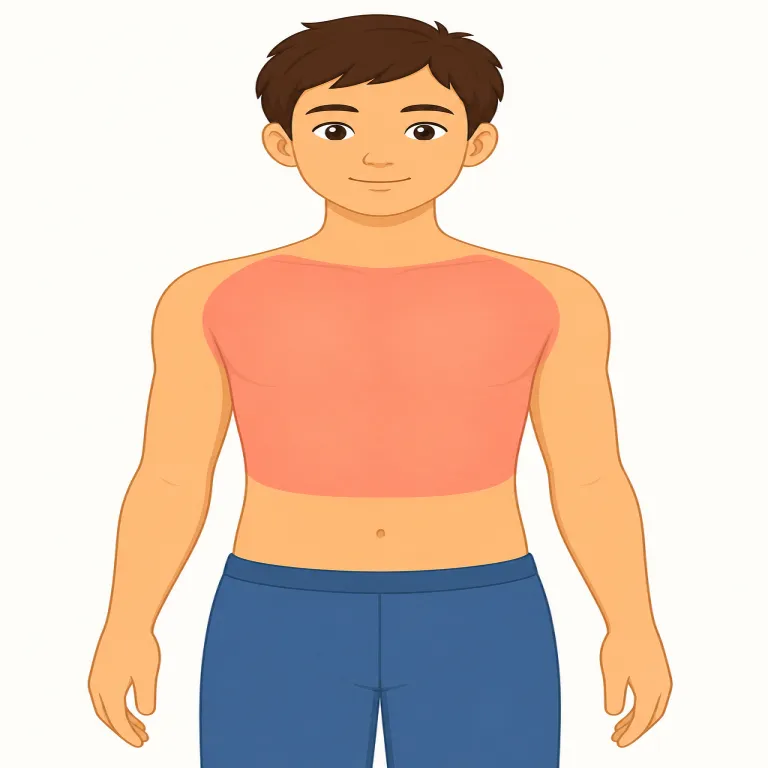
「chest」は、首の下から腹の上までの体の前面、特に心臓や肺がある胸の部分を指す名詞です。痛みや呼吸、筋肉、姿勢など身体に関する文脈でよく使われ、日本語では「胸」「胸部」と訳されます。医療や運動の場面でも頻繁に現れる語です。
The chest is the front part of the upper body between the neck and the stomach. It contains important organs such as the heart and lungs. The word is often used when talking about the body, pain, breathing, or physical strength.
覚え方のコツ Memory Tip
chest はまず「胸」を軸に覚えると定着しやすい語です。体の部位としては heart や lungs が入っている front upper body を指し、chest pain, chest X-ray, chest muscle のように医療・運動で非常によく出ます。breast が乳房寄り・性差を帯びやすいのに対し、chest はより中立で広い「胸部」。さらに treasure chest のように「箱」の意味もあるので、「中身を収める入れ物」から胸を連想すると、身体の chest にもつながります。
Remember `chest` first as the neutral body word, common in phrases like `chest pain` or `chest muscle`. It is broader and less specific than `breast`, so it works better in many medical and everyday contexts. A second memory hook is `treasure chest`: both meanings share the image of a container that holds important things inside.
例文
Put your hand on your chest.
手を胸に置きなさい。
My chest hurts a little.
胸が少し痛いです。
The ball hits his chest.
ボールが彼の胸に当たります。
えいたんごクイズでの正答率
この語をはじめて出題された 41人 のうち 33人 が正解しました(80%)。
えいたんごクイズの回答から集計した独自データです。1人につき最初に出題されたときの1回だけを数えており、復習や2回目以降の回答、「わからない」と時間切れは含みません。 集計時点は 2026年9月19日 です。
大箱、ひつ
(意味 2)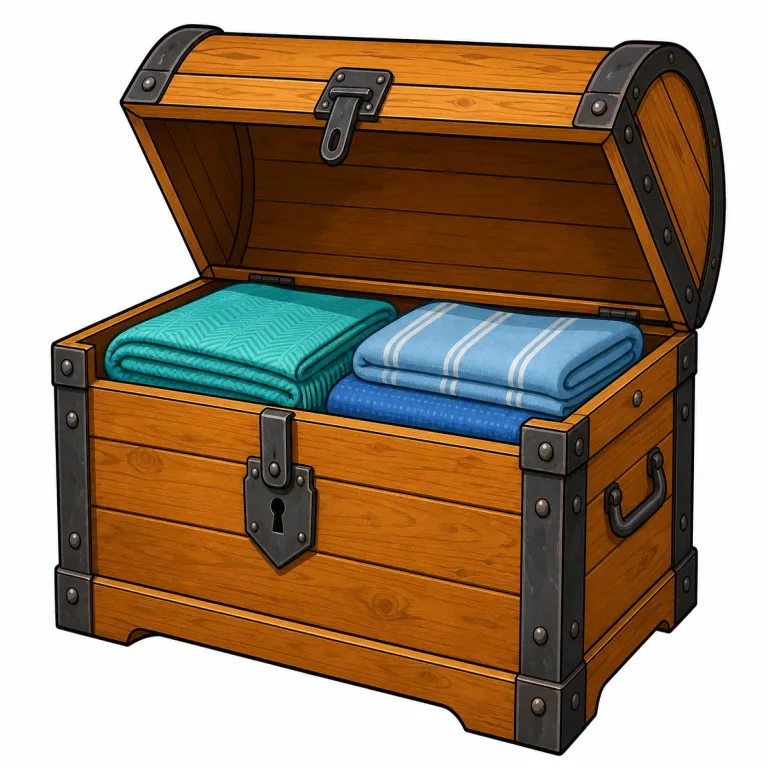
解説 Definition
ふた付きの大きめの箱やひつを指し、衣類・道具・宝物などをしまうときに使う。treasure chest のように中身を保管する容器として述べる語で、家具というより持ち運びや長期保管用の箱のイメージが強い。木製の古風な箱を連想させることも多い。
A large box with a lid, used to store clothes, tools, or valuable objects. It often suggests a traditional wooden container used to keep things for a long time.
覚え方のコツ Memory Tip
chest はこの語義では「大箱・ひつ」を軸に覚えると定着しやすい語です。treasure chest なら宝物をしまう大きな箱、wooden chest なら手紙や衣類を入れておく木の箱。身体の chest「胸」は、中に心臓や肺を収める入れ物のように見立てた別語義なので、ここではまず「中身を保管するふた付きの箱」を思い浮かべるとよい。box より古風で、宝物や長期保管の感じが出ます。
Picture a treasure chest with its lid raised and valuables inside. In "wooden chest," imagine the same kind of large storage box holding clothes or old letters.
例文
Gold coins filled the treasure chest.
宝箱には金貨がいっぱい入っていた。
She keeps old letters in a wooden chest.
彼女は古い手紙を木製の大箱にしまっている。
We found an old chest under the bed.
私たちはベッドの下で古い大箱を見つけた。
たんす
(意味 3)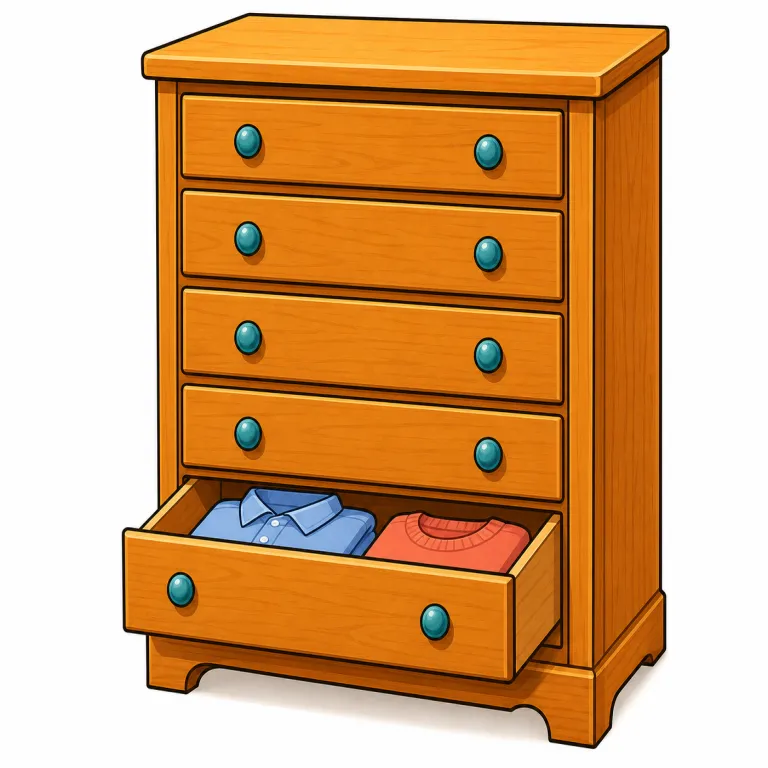
解説 Definition
引き出しがいくつも付いた収納家具を指し、衣類や小物を整理してしまうために使う。chest of drawers の省略として使われることが多く、単なる箱ではなく室内に据える家具としての意味になる。寝室や衣類収納の文脈でよく現れる。
A piece of furniture with several drawers for storing clothes or small belongings. It is commonly found in a bedroom and helps keep these items organized.
覚え方のコツ Memory Tip
chest は「胸」だけでなく、chest of drawers の省略で「たんす」としても使われます。ポイントは「中に物を収める家具」。bedroom chest, top drawer of the chest のように、寝室で衣類や小物を入れる引き出し付き家具を思い浮かべると定着します。treasure chest のような箱より、drawer が並んだ家具の chest と切り分けて覚えると、身体の chest と混同しにくいです。
Learn this use of chest as a shortened form of "chest of drawers." Picture a bedroom cabinet with several drawers, and use "the top drawer of the chest" to connect the word with that furniture.
例文
She bought a new chest of drawers.
彼女は新しいたんすを買った。
Socks are in the chest's top drawer.
靴下はたんすのいちばん上の引き出しに入っている。
The old chest of drawers was very heavy.
その古いたんすはとても重かった。
chest の類義語・関連語
類義語
対義語
派生語
紛らわしい語
chest の語源・成り立ち Etymology
chest は古英語 cest を経て、ラテン語 cista、さらにギリシャ語 kiste「箱・籠」にさかのぼる語です。もとは「箱」で、胴体の前面を入れ物のように見立てて「胸」の意味が生まれたので、形から意味が広がったと分かります。関連語は cist。
"Chest" came into English from Old English cest, from Latin cista, and earlier Greek kiste, meaning "box" or "basket." The word first referred to a container. Later, it was also used for the front of the body, probably by comparing it to a box-like container.
同じレベルの語彙をもっと
英検準2級の一覧へ →外部辞書で調べる
この英単語をクイズで覚えよう