plain
plain は英検2級・TOEIC 730・TOEFL 60・IELTS 5.5レベルの英単語で、「質素な、明白な、平原」という意味があります。発音記号は /pleɪn/ です。
意味一覧 (3件)
質素な
解説 Definition
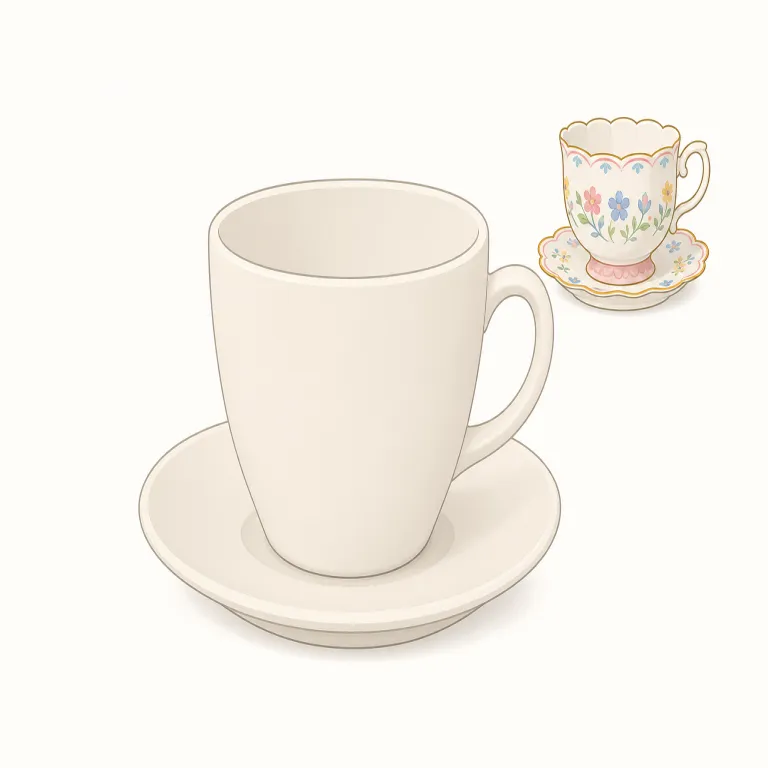
装飾や豪華さがなく、素朴で質素な外見や様子。贅沢でなく、シンプルで地味な特徴を持つ。
Plain means simple and not decorated or fancy. It can describe clothes, food, language, or style, and it often suggests something ordinary, clear, or basic.
覚え方のコツ Memory Tip
plain は「ただの・そのまま」の感覚で覚えると広がります。plain T-shirt, plain food, plain design のように、色や味や見た目に余計な飾りがない状態を表し、fancy や colorful の反対側に置くと定着します。plain text も「装飾なしの文字」。『目立たない、シンプル、質素』が共通イメージです。なお plain には「明白な」の意味もあるので、見た目の話か説明の話かで文脈を分けて覚えると混乱しません。
Remember `plain` as 'simple, with nothing extra'. It appears in phrases like `plain T-shirt`, `plain food`, and `plain text`, all showing the idea of no decoration or added color. Put it opposite `fancy` or `colorful` to make the image stick.
例文
She wears a plain dress.
彼女は質素な服を着ている。
This room is plain.
この部屋は質素だ。
I like plain bread.
私は飾り気のないパンが好きだ。
えいたんごクイズでの正答率
この語をはじめて出題された 45人 のうち 33人 が正解しました(73%)。
えいたんごクイズの回答から集計した独自データです。1人につき最初に出題されたときの1回だけを数えており、復習や2回目以降の回答、「わからない」と時間切れは含みません。 集計時点は 2026年9月19日 です。
明白な
(意味 2)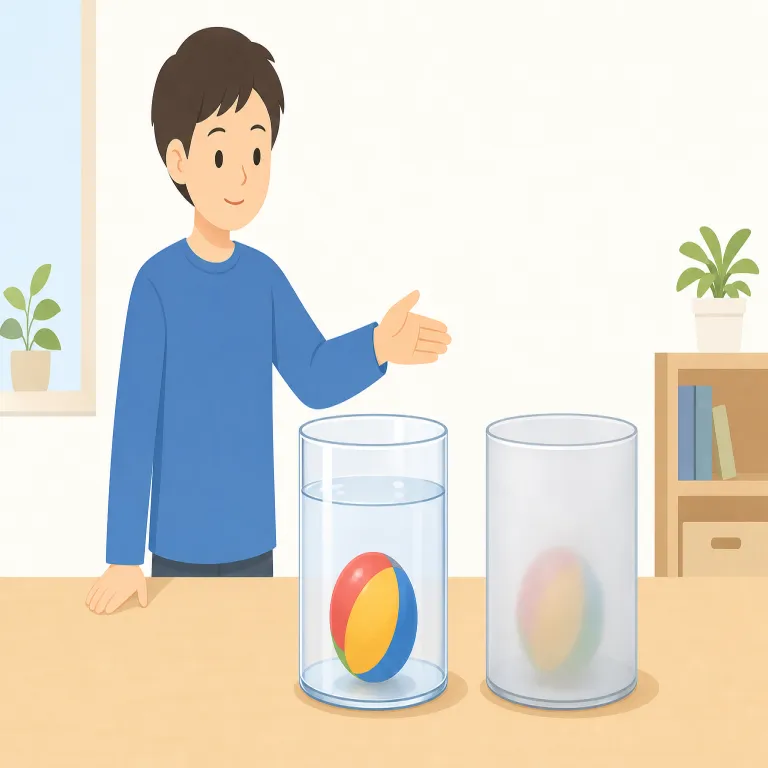
解説 Definition
物事が見てすぐわかるほどはっきりしていて、疑う余地が少ないときに使う。証拠や事実、気持ちなどが誰の目にも明らかな場面でよく用いられ、かたい文章から日常会話まで幅広く使える。
Clear and easy to recognize or understand, leaving little room for doubt. It can describe facts, evidence, or feelings that are readily apparent.
覚え方のコツ Memory Tip
plain は「平らで隠すものがない」感覚から「明白な」と覚えると広がります。It is plain that ... のように、事実や気持ちが目の前に平らに広がっていて、誰でも見ればわかる状態を表します。plain T-shirt の「質素な」とは、見た目の飾りがない意味。この行では説明や事実に飾りも隠れもなく「はっきりしている」と切り分けると混乱しません。
Imagine a fact spread out before you on a flat surface, with nothing hiding it from view. Remember it is plain that ... when the truth of something is easy to see.
例文
It was plain that he was upset.
彼が動揺しているのは明白だった。
The mistake is plain to everyone.
その間違いは誰の目にも明らかだ。
She made her opinion plain from the start.
彼女は最初から自分の意見をはっきり示した。
平原
(意味 3)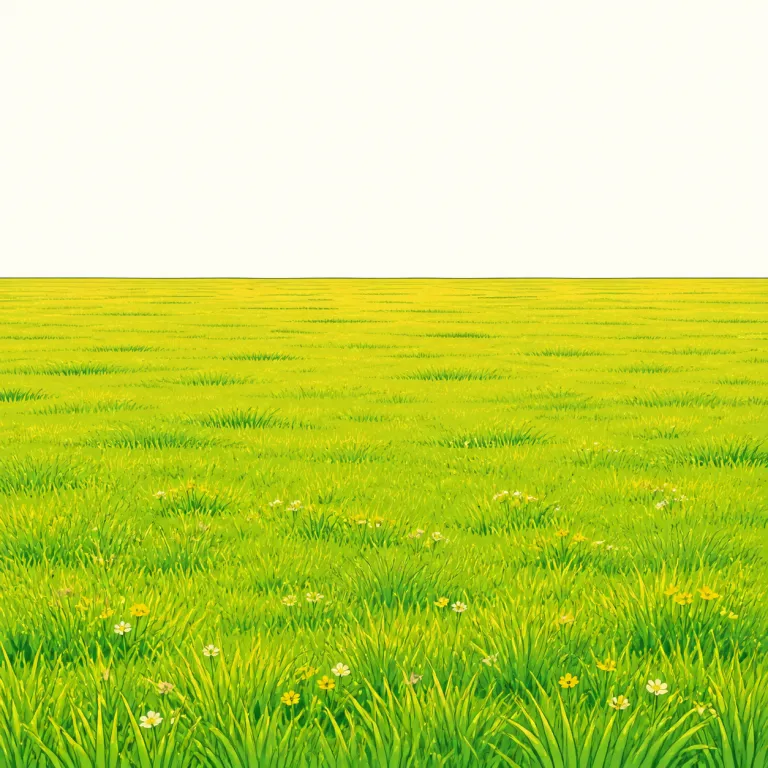
解説 Definition
木や山が少なく、広く平らに開けた土地を指す名詞。地理や自然の説明で使われることが多く、見通しのよい大地が長く続く景色を表すときに典型的に用いられる。
A large area of flat, open land with few trees or hills. This noun is often used in descriptions of geography and landscapes.
覚え方のコツ Memory Tip
plain は「飾りのない、簡素な」という形容詞でも使いますが、名詞では、でこぼこや山がなく平らに広がる「平原」です。plane(平面)と同じ「平ら」という感覚を手掛かりに、地平線まで草地が続き、動物が歩き回る景色を思い浮かべましょう。a wide plain(広い平原)、on the plain(平原で)、the plain below(眼下の平原)を一組で覚えると定着しやすいです。山に囲まれた低地 valley との違いも押さえましょう。
Connect plain with the flatness of a plane and picture open grassland stretching toward the horizon. Remember a wide plain and the plain below to fix the landscape meaning in your memory.
例文
The village lies on a wide plain.
その村は広い平原にある。
Buffalo once roamed the plain.
かつてバッファローがその平原を歩き回っていた。
From the hill, we could see the plain below.
丘の上から下の平原が見えた。
plain の類義語・関連語
plain の語源・成り立ち Etymology
古フランス語 plain を経て、ラテン語 planus「平らな・水平な」に由来します。『平らで凹凸や飾りがない』感覚から、『飾り気のない、質素な』という意味へ広がりました。関連語は plane と plan です。
Plain came through Old French plain from Latin planus, meaning "flat" or "level." From the idea of a smooth surface without bumps, it came to mean "simple," "clear," or "without ornament." Related English words include plane and plan, which share the same Latin root.
同じレベルの語彙をもっと
英検2級の一覧へ →外部辞書で調べる
この英単語をクイズで覚えよう