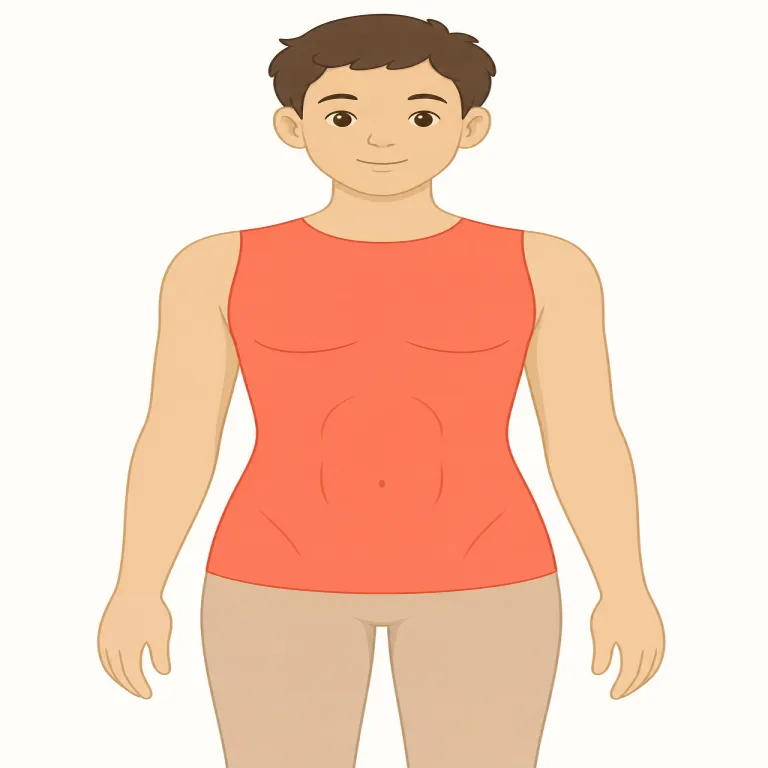
torso
torso は英検1級レベルの英単語で、「胴体」という意味があります。発音記号は /ˈtɔːrˌsoʊ/ です。
胴体
解説 Definition
胴体とは、人間や動物の体のうち、頭・腕・脚を除いた中心部分のことを指す。解剖学的には胸部と腹部を含む体幹部分であり、重要な臓器を保護している。彫刻や美術において、胴体部分だけを表した作品を指すこともある。
The torso is the main part of the human body without the head, arms, and legs. It includes the chest, back, and stomach area. This word is common in medicine, art, and descriptions of the body.
覚え方のコツ Memory Tip
torso は「体全体」ではなく、head・arms・legs を除いた“中心の本体”として覚えると定着しやすい語。人体のパーツを切り分ける発想で、body より範囲が狭く、upper body よりも胴そのものに焦点がある。解剖・デッサン・フィットネスで an injured torso, a muscular torso のように出やすい。近い trunk は木の幹・象の鼻・旅行かばんも表す多義語なので、人体なら torso のほうが直球、と対比すると混同しにくい。
`Torso` is not the whole body, but the main middle part. Remember it by cutting the body into parts: head, arms, legs, and the `torso` in the center. It is common in fitness or art phrases like `a muscular torso`.
例文
The sculptor carefully carved the torso from a single block of marble.
彫刻家は一つの大理石の塊から胴体を丁寧に彫り出した。
He strengthened the muscles in his torso through daily core exercises.
彼は毎日の体幹トレーニングで胴体まわりの筋肉を鍛えた。
The ancient statue was missing its arms but the torso was perfectly preserved.
その古代の像は腕がなかったが、胴体は完全な状態で保存されていた。
えいたんごクイズでの正答率
この語をはじめて出題された 41人 のうち 34人 が正解しました(83%)。
えいたんごクイズの回答から集計した独自データです。1人につき最初に出題されたときの1回だけを数えており、復習や2回目以降の回答、「わからない」と時間切れは含みません。 集計時点は 2026年9月19日 です。
torso の類義語・関連語
類義語
紛らわしい語
torso の語源・成り立ち Etymology
torso はイタリア語 torso「胴体・切り株」から入り、さらにラテン語 thyrsus、ギリシャ語 thyrsos「茎・棒」にさかのぼります。接頭辞分解はありませんが、torse や thyrse と同系で、「頭や手足のない幹の部分」という像がそのまま胴体の意味になりました。
Torso came from Italian torso, which could mean both a body trunk and a cut-off stump. The word’s history points back to classical words connected with a stem or central stalk. From that image of the main central part with other parts missing, it came to mean the human body without the head or limbs.
同じレベルの語彙をもっと
英検1級の一覧へ →外部辞書で調べる
この英単語をクイズで覚えよう