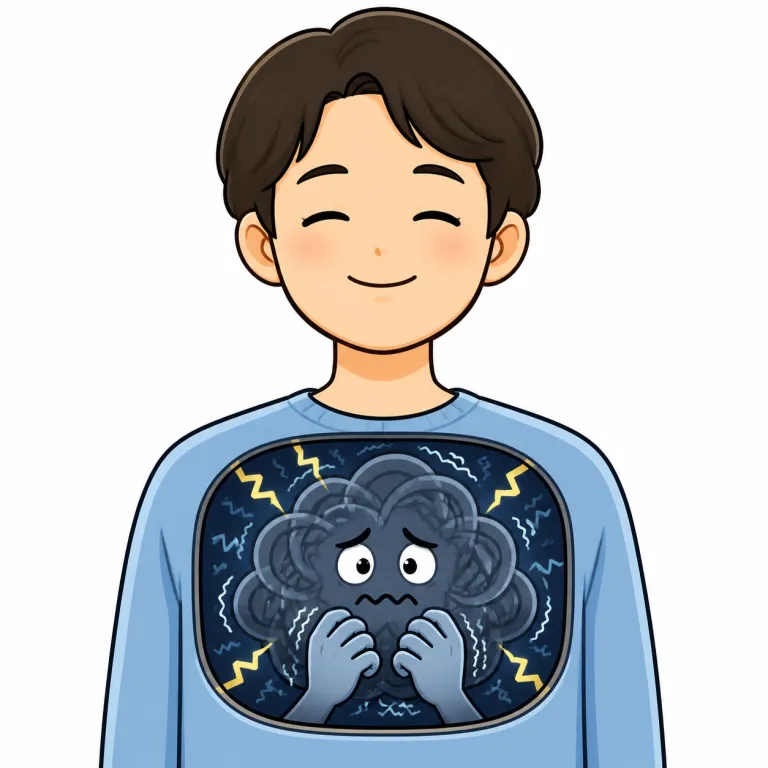
誤りであることを示す
verb 動詞証拠や事実などが、主張・予想・説明などが正しくないことを明らかにする。the evidence belies the claimのように用いる。
外見や表面的な印象が実態と矛盾すること。見かけが真実を偽ること。
To belie means to show that something is not true, or to give a false impression about something. It is often used when appearances hide the real situation or character. This is a formal word, common in careful writing.
lie を知っていると覚えやすい語ですが、belie は「自分が嘘をつく」ではなく、「見た目・印象が真実を嘘っぽくしてしまう」と捉えるのがコツです。よくあるのは appearance や smile, calm voice などが主語になり、実態を隠す形。His smile belied his anger. のように「笑顔なのに本当は怒っていた」。見かけと中身のズレに注目すると定着します。
Notice the lie inside belie, but do not confuse it with believe. A good hook is: something you see makes another explanation look false. It often appears in formal writing with words like expression, results, or data.
Her calm expression belied the anxiety she felt inside.
彼女の穏やかな表情からは、心の中の不安はうかがえなかった。
The company's cheerful advertisements belie the poor working conditions in its factories.
その会社の明るい広告は、工場の劣悪な労働環境と矛盾している。
His youthful appearance belies his age; he is actually over sixty.
彼は若々しく見えるが、実際には60歳を超えている。
文脈によって、次の意味でも使われます。
証拠や事実などが、主張・予想・説明などが正しくないことを明らかにする。the evidence belies the claimのように用いる。
belie は古英語 be- + leogan「嘘をつく」に由来し、原義は「嘘で覆う」「本当らしく見せかける」。lie や liar と同根で、そこから「見かけが実態を偽る」へ意味が伸び、今の「矛盾する・誤った印象を与える」につながった。
Belie comes from Old English, built from the prefix be- and leogan, meaning to lie or speak falsely. Its early sense was to cover something with falsehood or make it seem other than it is. Over time, this became the modern idea of giving a false impression or seeming to contradict reality. It is related to lie and liar.
belie の収録語義を確認して、まとめて学べる単語帳を選べます。
収録語義:矛盾する
作成者:OJIOJI
この英単語をクイズで覚えよう