
stand
stand は英検5級・英検6級レベルの英単語で、「立つ、耐える、台座」という意味があります。発音記号は /ˈstænd/ です。
意味一覧 (2件)
立つ、耐える
解説 Definition
「stand」は人や物が自力で直立した状態を保つことを表す動詞です。立ち上がったりその場にじっと立っていたりする動作だけでなく、困難な状況にじっと耐える意味合いも含みます。会話では「立ち上がる」「耐える」「姿勢をとる」などの意味で幅広く使われます。
To stand means to be in an upright position on your feet. It can also mean to rise to that position or to be placed upright somewhere. The word is common for people, animals, and objects.
覚え方のコツ Memory Tip
stand は『足で立つ』より、『倒れず、その位置を保つ』絵で覚えると応用しやすい語です。sit の反対として stand up が基本ですが、核はずっと “まっすぐ保つ” 感覚。そこから stand there / stand still のように『立ったままいる』、stand the pain / can’t stand noise のように『嫌でも耐える』へ広がります。rise は上がる動き、stay はいる状態、stand は自力でしっかり立っている感じ。まずは stand up, stand in line, stand the heat など頻出の形ごと覚えると定着しやすいです。
Picture a strong stand holding something upright: it stays firm and does not fall. Remember stand up, stand still, and stand in line as common patterns. The same idea of staying firm helps with stand the heat or can’t stand noise; rise is the upward movement, but stand is the firm position.
例文
I stand by the door.
私はドアのそばに立ちます。
The boy stands near his desk.
その男の子は机の近くに立ちます。
Please stand in a line.
列に並んでください。
えいたんごクイズでの正答率
この語をはじめて出題された 61人 のうち 55人 が正解しました(90%)。
えいたんごクイズの回答から集計した独自データです。1人につき最初に出題されたときの1回だけを数えており、復習や2回目以降の回答、「わからない」と時間切れは含みません。 集計時点は 2026年9月19日 です。
台座
(意味 2)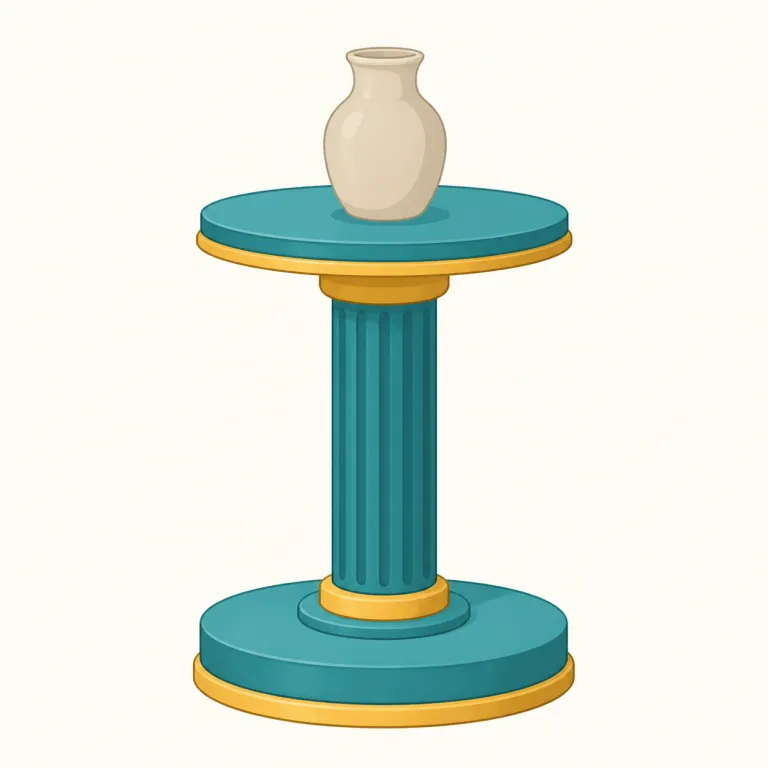
解説 Definition
物を支える台を意味します。
A stand is a support or base that holds something up. It is used for objects such as lamps, phones, displays, or musical instruments. The word often suggests a simple structure made for placing or showing something.
覚え方のコツ Memory Tip
動詞 stand = 立つ を核にすると、名詞 stand も整理しやすい。基本イメージは『何かを立たせておくもの・立つための場所』。そこから TV stand、music stand、plant stand のように、物を支える台や台座の意味になる。人に使えば『立ち位置・売り場』、物に使えば『スタンド・支持台』と分けると混乱しにくい。base が土台そのものを言いやすいのに対し、stand は“立てて見せる・置く”場面を連想すると定着しやすい。
This `stand` usually comes after the thing it supports: `microphone stand`, `lamp stand`, `plant stand`. That pattern is the best memory hook. If an object needs a support under it, `stand` is often the word.
例文
The microphone stand needs to be adjusted.
マイクスタンドは調整する必要があります。
He placed the flower pot on the wooden stand.
彼は植木鉢を木製の台座に置いた。
The display stand was very tall.
その展示台はとても高かった。
stand の類義語・関連語
類義語
対義語
紛らわしい語
stand を含む表現
句動詞・イディオムなど 17 件。クリックで各表現の詳細へ。
- stand by (人を)支える、味方でいる、待機する L4
- stand by 守り通す、固持する L4
- stand up 立ち上がる L5
- stand up すっぽかす L5
- stand still 立ち止まる、停止する、停滞する L12
- stand the test of time 時代に耐える L12
- stand down 身を引く L14
- stand down 手を引く L14
- stand down 警戒を解く L14
- stand over を厳しく監督する、そばに立って見張る L14
- stand for 表す L15
- stand for 容認しない L15
- stand for 支持する L15
- stand up to 立ち向かう L16
- stand up to 耐える L16
- stand to reason 筋が通る L18
- stand out 目立つ L20
stand の語源・成り立ち Etymology
stand は古英語 standan にさかのぼり、さらにゲルマン祖語系の「立つ」に由来します。核の sta- は state や stable にも見られ、「しっかり場所を占めて動かない」という感覚から、立つ・状態・安定が一本でつながります。
"Stand" comes from Old English standan and goes back to an old Germanic root meaning "to stand." It is related to English words like "state" and "stable," which share the idea of firmness or staying in place. The core sense has long been being upright and fixed, and from that came ideas of condition and stability.
同じレベルの語彙をもっと
英検5級の一覧へ →外部辞書で調べる
この英単語をクイズで覚えよう