表す
解説 Definition
文字、略語、記号などが、別の語句や概念を表すことをいう。この語義では、表す側の文字や記号が主語になる。理念などを「支持する」語義や、否定文で「容認する」を表す語義とは区別する。
To represent or mean something. In this sense, the subject is typically a letter, abbreviation, symbol, or other sign that refers to a longer expression or an idea.
覚え方のコツ Memory Tip
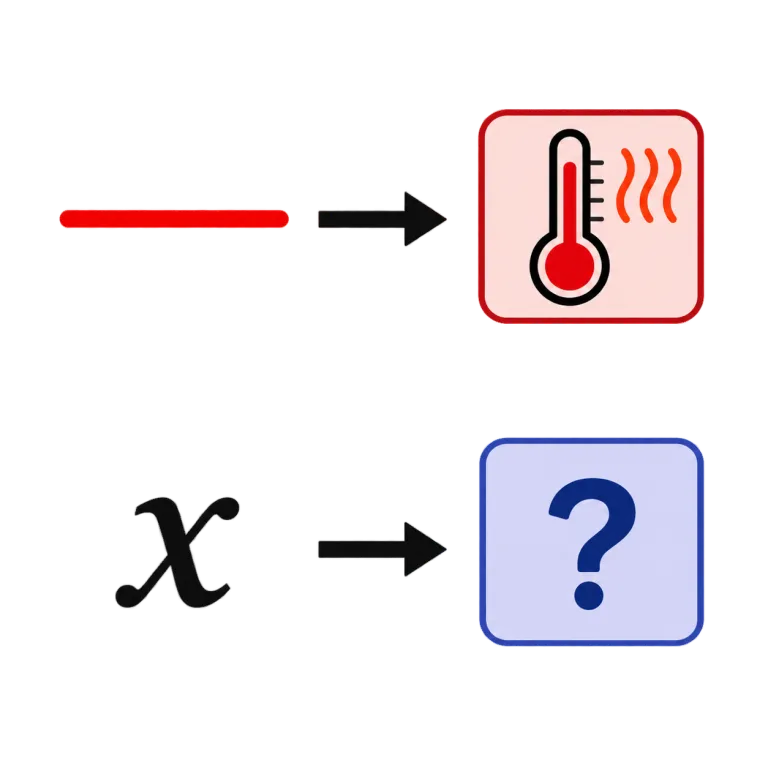
文字や記号が、別の語句や概念の代わりに立つと考えると stand for「表す」につながります。表す側を主語にして、CPU stands for ... や The red line stands for ... の形で使います。理念を「支持する」用法とは、主語が略語・記号かどうかで区別できます。
Picture letters standing in place of a longer expression. When an abbreviation, letter, or symbol is the subject, stand for means “represent,” as in “CPU stands for ...”. Keep this separate from the sense “support a principle.”
例文
What does the abbreviation "CPU" stand for?
「CPU」という略語は何を表しますか?
The red line stands for the average temperature.
赤い線は平均気温を表しています。
In this formula, x stands for an unknown value.
この数式では、xは未知の値を表します。
容認しない
(意味 2)
解説 Definition
いやな行動や状況を受け入れず、これ以上は許せないというときによく使う。否定文で使われることが特に多く、不正や失礼、迷惑行為を容認しない強い態度を表す。単に耐えるより、はっきり拒む響きがある。
This phrasal verb means to accept or tolerate unpleasant behavior or an unacceptable situation. It is especially common in negative statements, where it expresses a firm refusal to allow something.
覚え方のコツ Memory Tip
stand for は、否定文では「その場に立って受け入れる」と考えると覚えやすいです。I won't stand for rude behavior. は「失礼な態度のために立っていられない」ではなく、「そんな行動を容認して受け止めない」→我慢しない。略語が主語なら「表す」、価値が目的語なら「支持する」ですが、won't / refuse to と失礼・不正が来たら「我慢する・許す」の意味だと切り分けると残りやすいです。
Imagine refusing to remain standing and silently accept rude or unfair behavior. A negative form such as "won't stand for" signals that the speaker has reached a limit and will not tolerate it.
例文
I won't stand for rude behavior in my class.
私の授業では失礼な態度は我慢しない。
She refused to stand for his lies any longer.
彼女はもう彼のうそを我慢しなかった。
We can't stand for this kind of delay every week.
毎週こんな遅れを我慢するわけにはいかない。
支持する
(意味 3)
解説 Definition
理念や権利、政策などを支持し、その価値を守る立場を示すときに使う。団体や人物が何を大切にし、どんな考えの側に立つかを述べる文脈で多い。単なる好みではなく、信念として掲げるニュアンスがある。
This phrasal verb means to support a principle, right, policy, or cause and openly take its side. It suggests a firm belief or commitment rather than a simple personal preference.
覚え方のコツ Memory Tip
stand for は「その価値の側に立つ」と考えると覚えやすい。人や組織が主語なら stand for freedom のように「自由を支持する・守る立場を取る」。略語や記号が主語の「〜を表す」とは切り分けて、ここでは理念・権利・政策の前に立って支えるイメージを置くとよい。stand up for は「擁護する」で近いが、stand for は信念として掲げる感じが強い。
Picture a person or organization standing on the side of a value and helping to protect it. When a principle such as freedom or equality follows "stand for," think of declaring support for that principle.
例文
Our organization stands for equal opportunities.
私たちの団体は機会均等を支持している。
He has always stood for workers' rights.
彼はずっと労働者の権利を擁護してきた。
This party says it stands for lower taxes and smaller government.
この政党は減税と小さな政府を支持すると述べている。
stand for の類義語・関連語
stand for の語源・成り立ち Etymology
stand は古英語 standan「立つ」に、for は古英語にさかのぼる前置詞に由来する。「別のものに代わる位置に立つ」という組み合わせから、文字や記号が内容を「表す」という用法を理解できる。現代では句動詞として一まとまりで覚える。
Stand comes from Old English standan, while for is also inherited from Old English. The idea of standing in place of something helps explain the representative sense, in which letters or symbols stand for other words or ideas. In modern English, the phrasal verb is best learned as a unit.
同じレベルの語彙をもっと
外部辞書で調べる
この英熟語をクイズで覚えよう