ごみ、廃棄物
noun 名詞不要になって捨てられる家庭ごみや事業系の廃棄物をまとめて指す、通常は不可算の名詞です。動詞のrefuseとは発音が異なり、やや公的・形式的な文脈で「refuse collection」のように使われます。
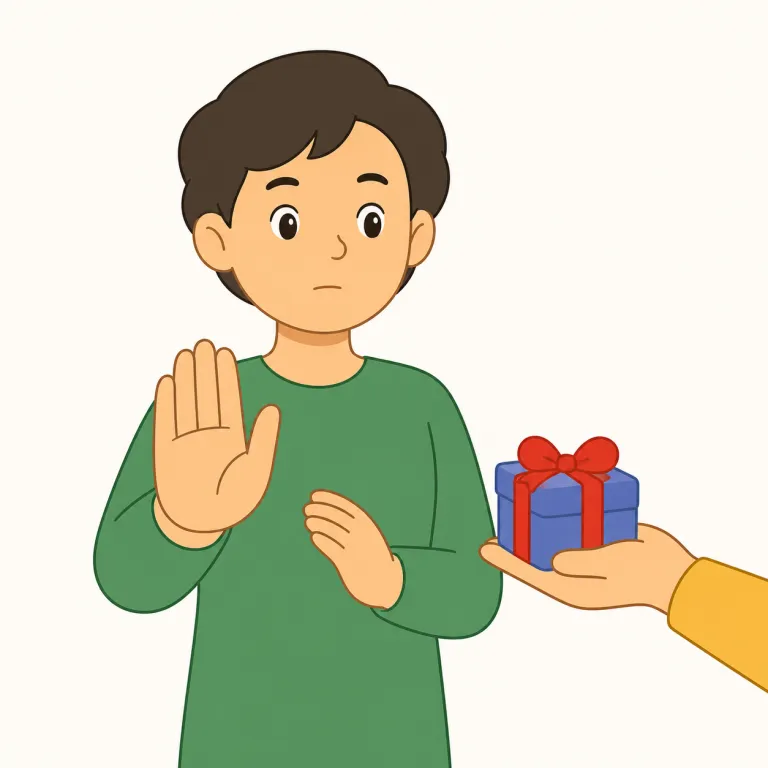
refuse は英検準2級・TOEIC 730・TOEFL 60・IELTS 5.5レベルの英単語で、「拒否する」という意味があります。発音記号は /rɪˈfjuːz/ です。
提案や要求、申し出などを受け入れないことです。相手の意見や願いを拒む、あるいは受け付けない行動を表します。
To refuse means to say or show that you will not accept, do, or allow something. It is commonly used when someone rejects an offer, request, invitation, or order. It is a stronger word than simply not doing something, because it shows a clear decision.
"refuse" はまず "use" を含む形で見ると覚えやすいです。相手の申し出や要求を「自分はそれを使わない・受け取らない」と考えると、拒否する感覚に結びつきます。形は refuse an offer, refuse permission, refuse to answer のように目的語か to 不定詞を続けるのが基本。似た語では reject は審査してはねつける硬めの語、decline はより丁寧に断る語です。refuse はその場で明確に応じない場面を思い浮かべると定着します。名詞の refuse「ごみ」と同綴りなのも混同注意です。
See the word `use` inside `refuse`. If you refuse something, you decide not to use it, take it, or accept it. Remember common patterns like `refuse an offer` and `refuse to answer`. Be careful: `refuse` can also be a noun meaning trash.
He refuses my help.
彼は私の助けを断ります。
She refused the gift.
彼女はその贈り物を断りました。
They refuse his request.
彼らは彼の要求を拒否します。
文脈によって、次の意味でも使われます。
不要になって捨てられる家庭ごみや事業系の廃棄物をまとめて指す、通常は不可算の名詞です。動詞のrefuseとは発音が異なり、やや公的・形式的な文脈で「refuse collection」のように使われます。
refuse は古フランス語 refuser を経て、俗ラテン語 *refusare に由来します。そのさらに先は確定していませんが、ラテン語 recusare「拒む」と refutare「退ける」の混交によって生じた語とする説が有力です。したがって、re- と「注ぐ」を意味する要素の単純な結合とは断定できません。
Refuse comes from Old French refuser, from Vulgar Latin *refusare. Its earlier formation is uncertain, but it is commonly explained as a probable blend of Latin recusare, meaning "to refuse or object," and refutare, meaning "to drive back or reject." It should not be treated as a certain combination meaning "pour back," nor should fuse and confuse be presented as definite relatives.
この英単語をクイズで覚えよう