ward
ward は英検準1級・TOEIC 730レベルの英単語で、「病棟、防ぐ、区、被後見人」という意味があります。発音記号は /ˈwɔːrd/ です。
意味一覧 (4件)
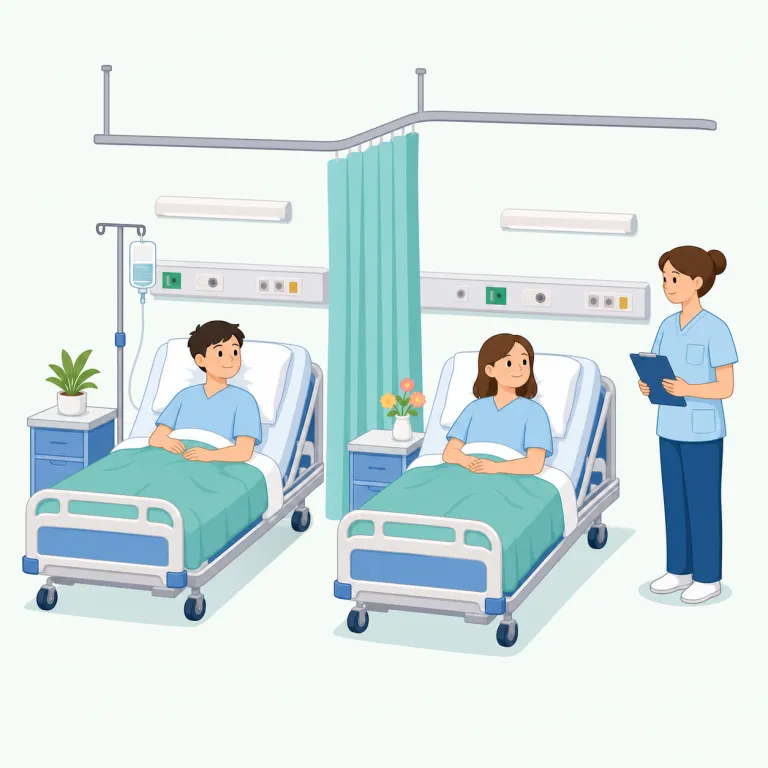
病棟
解説 Definition
病院で、同じ種類の患者をまとめて看護・治療するための区画を指す名詞。surgical ward や children's ward のように、診療科や患者の属性を示す語と一緒によく使われる。病室一つではなく、看護体制や管理単位としてのまとまりを表すことが多い。
A section of a hospital where a particular group of patients receives care and treatment. It is often organized around a medical specialty or patients' ages and can include several rooms.
覚え方のコツ Memory Tip
ward は「守って管理する区画」と考えると、病院の ward が覚えやすいです。children's ward なら子どもをまとめて看護する病棟、surgical ward なら外科患者を管理する病棟です。ward off の「防ぐ」と同じ守る感覚はあるものの、この語義では害を追い払う動作ではなく、患者を見守り治療するための病院内のまとまりを指します。room が一つの病室なら、ward は看護体制まで含む区画として区別すると定着しやすいです。
Picture a hospital section where patients are watched over and cared for together. A children's ward treats children, while a surgical ward cares for surgical patients; think of an organized care unit rather than just one room.
例文
The ward is clean.
その病棟はきれいです。
My father is in the ward.
私の父はその病棟にいます。
A nurse enters the ward.
看護師がその病棟に入ります。
防ぐ
(意味 2)
解説 Definition
危険や悪いことが起こらないように、それを防ぐ、または避けるという意味の動詞。保護する、遮断するなどの行為を表します。
To ward means to protect against something harmful or to keep it away. It is often used with words like "off" when talking about danger, illness, or attack. This verb is more common in careful or written English than in casual conversation.
覚え方のコツ Memory Tip
ward は単独でも「防ぐ」だが、まずは頻出の ward off で覚えると定着しやすいです。意味は「近づく害や不快なものを追い払う」で、guard に近い感覚を持つと理解しやすい語です。guard が「守る」側に意識が向きやすいのに対し、ward は「危険を寄せつけない」動きが前に出ます。ward off illness / criticism / attack のように、病気・非難・攻撃を防ぐ場面と結びつけると覚えやすいです。名詞の ward には別意味もあるので、この語義では ward off をセットで思い出すのが安全です。
The easiest way to remember this verb is in the phrase `ward off`. It is close to `guard`, but the image is more active: keeping danger away before it reaches you. Think of `ward off illness` or `ward off an attack`.
例文
Masks ward off colds.
マスクはかぜを防ぎます。
This coat wards off rain.
このコートは雨を防ぎます。
Good food wards off sickness.
よい食べ物は病気を防ぎます。
えいたんごクイズでの正答率
この語をはじめて出題された 62人 のうち 32人 が正解しました(52%)。
えいたんごクイズの回答から集計した独自データです。1人につき最初に出題されたときの1回だけを数えており、復習や2回目以降の回答、「わからない」と時間切れは含みません。 集計時点は 2026年9月19日 です。
区
(意味 3)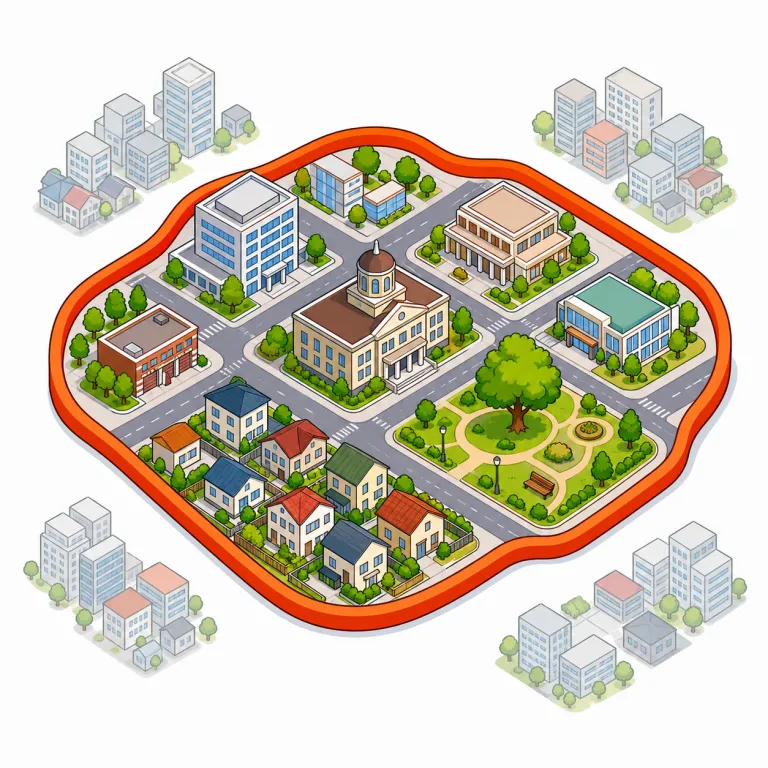
解説 Definition
市議会や自治体の行政区分で使われる『区』を指す名詞。英国や一部の英語圏で特によく見られ、ward election や ward boundary のように、地域代表や区割りの話題で使われる。住所や選挙結果の説明でも現れる。
A division of a city or municipality used for local administration or elections. The term is especially common in Britain and some other English-speaking places when discussing local representatives and electoral boundaries.
覚え方のコツ Memory Tip
ward は「管理される区画」と考えると、行政上の「区」が覚えやすいです。Ward 5 なら第5区、ward boundary なら区の境界です。ward off の「防ぐ」と混同しやすいですが、この語義では何かを追い払うのではなく、代表を選んだり自治体が管理したりする地域の一区分を指します。district より、英国などの地方議会や選挙の文脈で出やすい語として押さえると安全です。
Picture a city map divided into areas for local administration and representation. Link Ward 5 with one numbered area and ward boundary with the line marking its edge.
例文
Our ward has three schools.
私たちの区には学校が3校あります。
A new park opened in our ward.
私たちの区に新しい公園ができました。
This river divides the two wards.
この川が2つの区を分けています。
被後見人
(意味 4)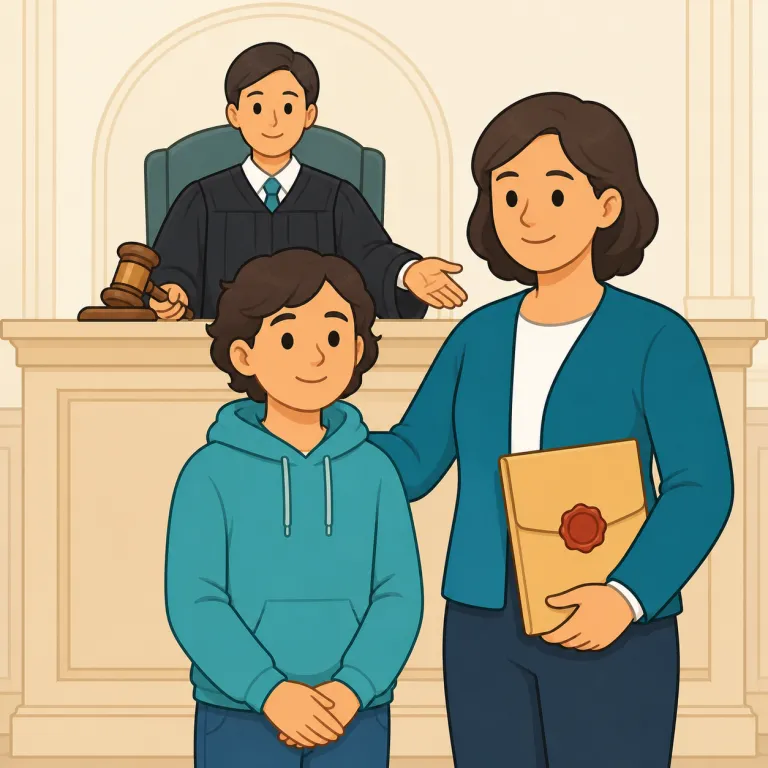
解説 Definition
法的に保護や監督を受ける立場の人、つまり後見人の管理下にある人を指す名詞。未成年者や判断能力の保護が必要な人について述べる文脈で使われ、guardian の対になる語として現れる。日常会話より法律文書で見かけやすい。
A person who is legally under the protection or supervision of a guardian or court. This term occurs mainly in legal contexts, often concerning children or people who need support in making decisions.
覚え方のコツ Memory Tip
ward は「守られる人」と考えると、法律文脈の「被後見人」が覚えやすいです。guardian が守る側なら、ward はその保護や監督を受ける側です。ward off のように害を追い払う動詞とは切り分けて、この語義では“誰かに守られる立場の人”を指す名詞だと押さえます。court appointed / guardian / best interests of the ward のように、裁判所や後見人と一緒に出る場面で覚えると定着しやすいです。
Remember the pair guardian and ward: the guardian provides protection, and the ward receives it. The phrase best interests of the ward helps you picture decisions made for the protected person's benefit.
例文
The child became her ward.
その子どもは彼女の被後見人になりました。
She took her young ward to school.
彼女は幼い被後見人を学校へ連れていきました。
The young ward lived with his aunt.
幼い被後見人はおばと暮らしていました。
ward の類義語・関連語
ward の語源・成り立ち Etymology
古英語 weard(見張り、保護)に関係し、weardian(見張る、守る)と同じ語族。ゲルマン祖語 *wardō(監視)に由来する。関連語: guard(警備)、warden(管理人)。「見張って守る」場所や管理下の単位から、患者を保護・看護する病院内の区画、つまり「病棟」の意味になった。
The word is related to Old English weard, meaning watching or protection, and weardian, meaning to watch or guard. The idea of an area under protection developed into the hospital sense.
同じレベルの語彙をもっと
英検準1級の一覧へ →外部辞書で調べる
この英単語をクイズで覚えよう