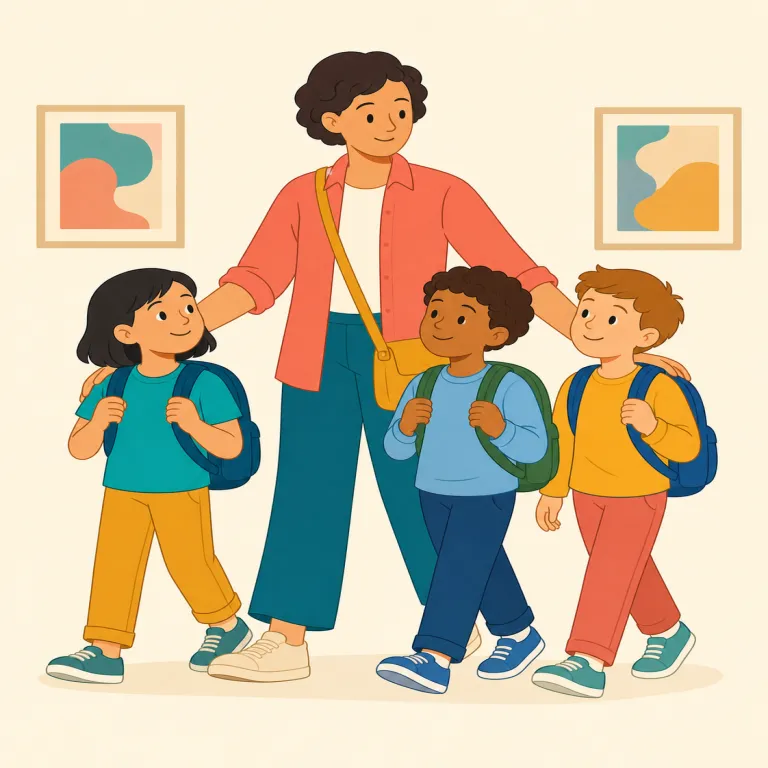
付添人
解説 Definition
付添人とは、特に舞踏会などの社交行事で若い女性に付き添い、保護や監督をする責任を持つ年上の女性のことです。歴史的には、未婚女性の名誉と適切な行動を保証するための役割でした。
A responsible adult who goes with other people, especially young people, to supervise and protect them. It is often used for school trips, dances, dates, and other social events. The word can also be used as a verb, but here it is a noun.
覚え方のコツ Memory Tip
chaperone は、単なる companion(連れ)や guide(案内役)ではなく、「一緒に行動しつつ、見守り・監督もする人」とセットで覚えると残りやすい語です。特に school trip, dance, party で未成年や若者に付き添う保護者・教師の場面を思い浮かべると定着します。よく act as a chaperone, parental chaperone の形で出ます。accompany だけでは弱く、supervise の含みがあるのがポイントです。
Remember that a `chaperone` is more than just a companion. The key idea is going with someone and also watching over them. Picture a school dance, party, or trip where a parent or teacher is there to supervise.
例文
Her mother served as her chaperone at the debutante ball.
彼女の母親はデビュタント・ボールで付添人を務めた。
Young girls in the Victorian era required a chaperone when attending social events.
ヴィクトリア朝時代の若い女性たちが社交行事に参加する際には付添人が必要でした。
The chaperone ensured that the young couple maintained proper decorum.
付添人は、若いカップルが適切な礼儀を保つことを保証した。
chaperone の類義語・関連語
類義語
対義語
chaperone の語源・成り立ち Etymology
chaperone はフランス語 chaperon「頭巾・保護する覆い」に由来し、さらに後期ラテン語 cappa「ケープ・頭を覆う布」にさかのぼります。若者を“覆って守る人”という感覚から「付添人」の意味になりました。関連語に cap、cape があります。
Chaperone comes from French chaperon, which originally meant a hood or covering for the head. It goes back to Late Latin cappa, meaning a cape or hood, and is related to English words like cap and cape. The meaning changed from a physical covering to the idea of a person who figuratively protects or watches over someone.
同じレベルの語彙をもっと
外部辞書で調べる
この英単語をクイズで覚えよう