付添人
解説 Definition
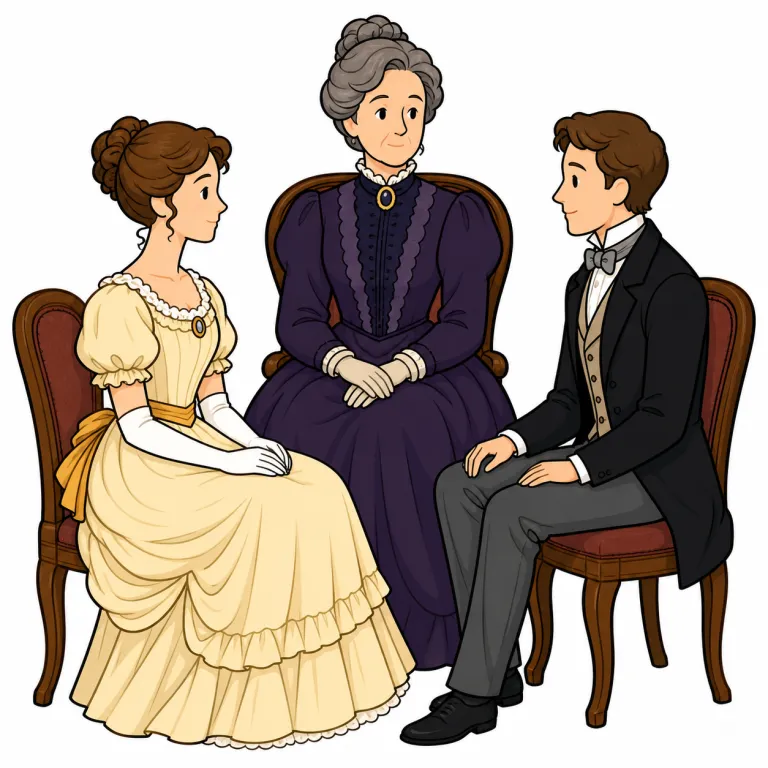
未婚女性に同伴して礼儀と保護のために公開で付き添う人物で、通常は年上の女性が役割を担います。特にビクトリア朝社会で重要な社会的役割でした。
A chaperon is a person who goes with someone, especially a young person, to give support or supervision. The word is often used in social situations, travel, or formal events. This spelling is less common today than "chaperone."
覚え方のコツ Memory Tip
「付き添う大人」の場面で覚えると残りやすい語。escort が単なる同伴者、companion が広い意味の連れなのに対し、chaperon は『礼儀や安全を見守る監督役』の含みが強い。学校行事や舞踏会で、生徒や若い女性に年長者が付く場面を固定イメージにするとよい。a chaperon at a dance, serve as a chaperon などで出やすい。なお綴りは chaperone の形も非常に多いので、別綴りとしてセットで覚える。
Think of a school dance or formal event where an older adult comes along to watch and guide. A `chaperon` is more than just a companion; the word suggests supervision and proper behavior. Also remember that `chaperone` is a very common spelling of the same word.
例文
In Victorian times, a chaperon was required to accompany young unmarried women.
ビクトリア朝の時代、若い未婚女性には付き添い人が必要でした。
The elderly chaperon sat discreetly in the corner while the couple conversed.
年配の付き添い人は、二人が話している間、目立たないように隅に座っていました。
Social conventions required a chaperon whenever unmarried couples met in public.
社会的慣習により、未婚の男女が公の場で会う際にはシャペロンが必要とされていました。
chaperon の類義語・関連語
chaperon の語源・成り立ち Etymology
chaperonはフランス語chaperon「頭巾・覆い」から来て、さらに中世ラテン語cappa「ケープ」にさかのぼる。付き添い人の意味になったのは、若い女性を社会的に「覆って守る人」という比喩から。capやchapeauも同じ被り物の語族。
Chaperon comes from French chaperon, which originally meant a hood or covering for the head. It goes back to Medieval Latin and the same family as words for capes and headwear. The sense later shifted by metaphor to a person who "covers" or protects someone socially, especially as a companion.
同じレベルの語彙をもっと
外部辞書で調べる
この英単語をクイズで覚えよう