奴隷状態、隷属
noun 名詞人が他者に所有物のように支配され、自由を奪われている個人の状態を指す。制度全体を表す既存義に対し、be sold into slavery や escape from slavery では、ある人が置かれた境遇に焦点がある。
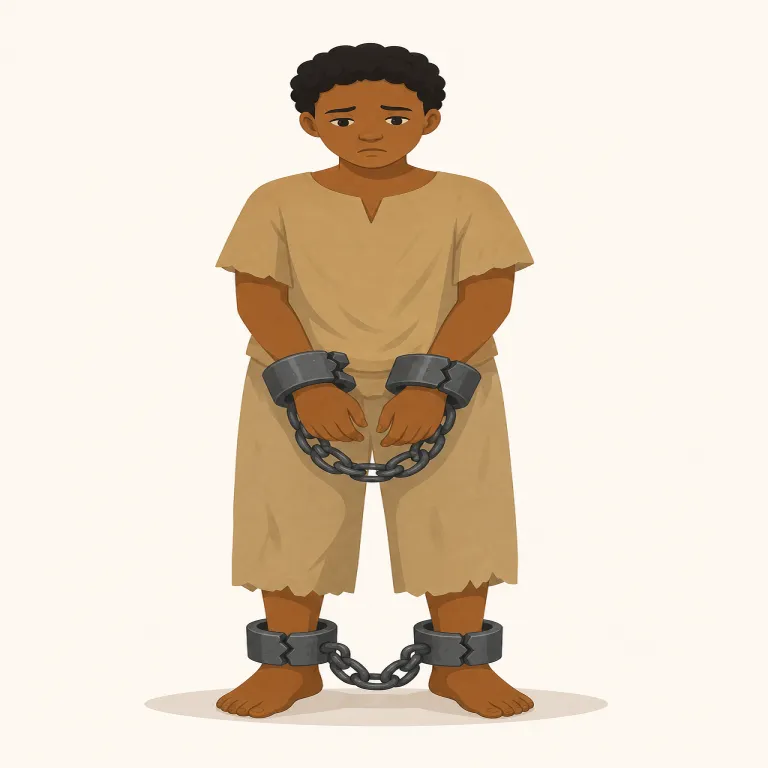
slavery は英検2級・TOEFL 60・IELTS 5.5レベルの英単語で、「奴隷制」という意味があります。発音記号は /ˈsleɪvəri/ です。
人間を奴隷として扱う社会体制。歴史上、多くの地域で存在していた制度。
Slavery is a system in which people are owned by others and forced to work without freedom. It is usually discussed in history, law, and human rights. The word describes a very serious and harmful social condition.
まず土台は slave「奴隷」。そこに -ery が付いた slavery は、「奴隷である状態」も表せますが、歴史や社会の話では「奴隷制という仕組み」を指すことが多い語です。slave は個人、slavery は制度や状態全体。歴史や人権の話で abolish slavery, the history of slavery の形でよく出ます。enslave は動詞「奴隷にする」なので、名詞の slavery と混同しないこと。
Build it from "slave" plus "-ery." The base word is one person, but "slavery" is the whole system or social practice, not just one individual. Keep the contrast clear: "enslave" is the verb, "slavery" is the noun.
Slavery ended in the United States in 1865.
アメリカでは1865年に奴隷制が終わった。
The historical impact of slavery continues to affect societies.
奴隷制の歴史的影響は今も社会に影響を与えている。
Many countries fought to end slavery in the 19th century.
多くの国が19世紀に奴隷制を廃止するために戦った。
文脈によって、次の意味でも使われます。
人が他者に所有物のように支配され、自由を奪われている個人の状態を指す。制度全体を表す既存義に対し、be sold into slavery や escape from slavery では、ある人が置かれた境遇に焦点がある。
ラテン語 sclavus(捕虜となったスラヴ人)から古フランス語 esclave を経て英語 slave に。接尾辞 -ery は制度・状態を表す。関連語:slave, enslave。中世にスラヴ人が多く奴隷にされた歴史が語源に刻まれている。
Slavery is built from slave plus the suffix -ery, which often shows a condition, practice, or system. Slave came into English through Old French from Medieval Latin sclavus, originally referring to Slavic people, many of whom were taken as slaves in the Middle Ages. The word's history reflects that social reality, and related English words include slave and enslave.
この英単語をクイズで覚えよう