家族、両親
noun 名詞くだけた会話で、自分や他人の家族、特に両親を指します。通常は複数形 folks で my folks や your folks のように使い、単なる「人々」より身近な家族関係を表します。
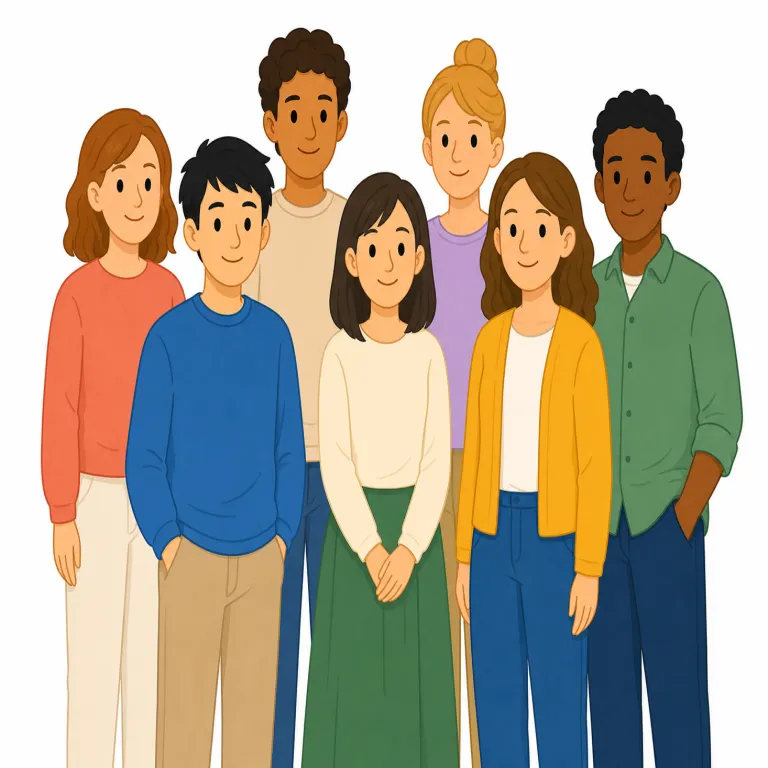
folk は英検準2級・TOEIC 730・TOEFL 60・IELTS 5.5レベルの英単語で、「人々」という意味があります。発音記号は /foʊk/ です。
普通の人々や特定の集団を指します。また、ある文化や地域に伝わる伝統的な音楽、芸術、習慣も意味します。
Folk means people in general or a particular group of ordinary people. It is often used in a friendly, informal, or traditional way. Depending on the context, it can refer to local people, country people, or people with shared customs.
folk は people より少しくだけた「人々、みんな」、または「民間の・庶民の・伝統的な」という感覚でまとめて覚えると残りやすい語です。folks なら会話で「皆さん」。folk music, folk art, folk dance, folklore のように、都会的で新しいものというより、地域に根づき昔から受け継がれたものと結びつきやすいのが特徴です。people が中立的な「人々」なら、folk は「その土地の人たち」「庶民文化」へ少し寄る、と押さえると使い分けしやすくなります。
`Folk` often means ordinary people in a warm, simple way. It is also common in traditional culture words like `folk music`, `folk art`, and `folklore`. So the memory hook is: people of a place, and the traditions they pass down.
Country folk gathered for the town festival.
田舎の人々が町の祭りに集まりました。
Local folk know the best restaurants.
地元の人々が最高のレストランを知っています。
Older folk in this village are very friendly.
この村の年配の人々はとても親切です。
この語をはじめて出題された 52人 のうち 36人 が正解しました(69%)。
えいたんごクイズの回答から集計した独自データです。1人につき最初に出題されたときの1回だけを数えており、復習や2回目以降の回答、「わからない」と時間切れは含みません。 集計時点は 2026年9月19日 です。
文脈によって、次の意味でも使われます。
くだけた会話で、自分や他人の家族、特に両親を指します。通常は複数形 folks で my folks や your folks のように使い、単なる「人々」より身近な家族関係を表します。
folk は古英語 folc「人々・民衆・軍勢」に由来し、さらにゲルマン祖語 *fulka- にさかのぼります。もとは「ひとかたまりの人々」という感覚が強く、そこから一般の「人々」「民」という意味へ広がりました。関連語は folklore, German Volk。
Folk comes from Old English folc, meaning "people," "nation," or "army," and goes back to a Germanic root. It originally suggested a group of people seen as one body. Over time, it became the ordinary word for people in general or common people. Related forms appear in folklore and German Volk.
この英単語をクイズで覚えよう