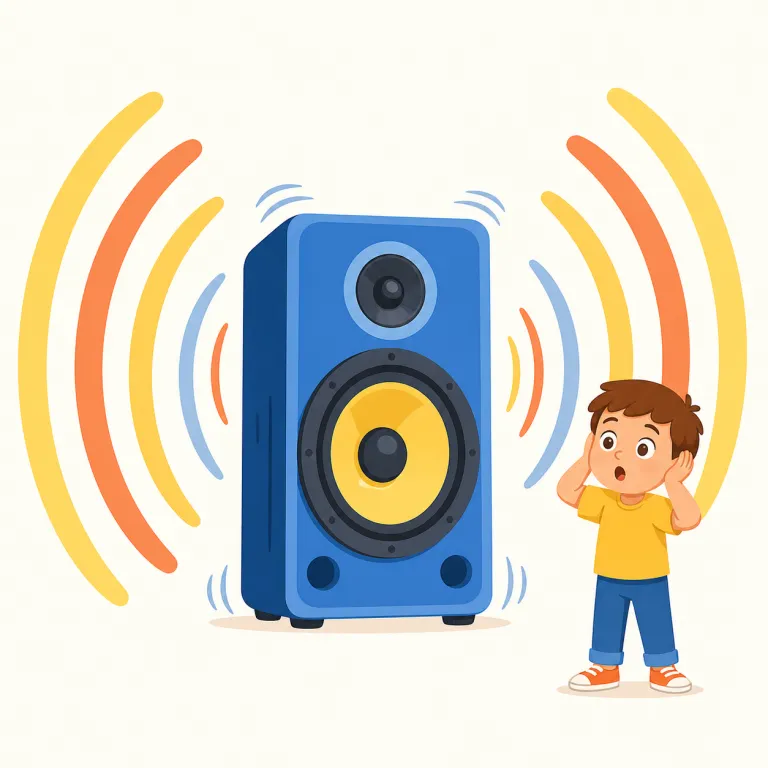
大きな音の
解説 Definition
大きな音量で発せられる音。耳に響くほどの大きな音で聞こえること。
Loud describes a sound or voice that is strong and easy to hear because it has a high volume. It is used for people, music, noises, or places, and it can sometimes suggest that the sound is unpleasant.
覚え方のコツ Memory Tip
loud はまず opposite of quiet で覚えると定着しやすい語。音そのものが大きいときに使い、a loud voice, loud music, loud noise の形が頻出。人について言うと『声や態度がやたら目立つ』感じにもなる。似た語 noisy は『うるさくて不快・ごちゃごちゃ騒がしい』という評価が入りやすいので、単に音量が大きいだけなら loud を軸に考えると整理しやすい。aloud は『声に出して』なので別物。
When `loud` is used like an adverb, connect it with speech or sound: `laugh loud`, `sing loud`. It is less standard than `loudly`, so it helps to label it in your mind as a spoken or unusual shortcut. Also compare it with `aloud`, which means "in a voice" and not "with big volume."
例文
The music was too loud for the quiet library.
静かな図書館で流すには、その音楽は音が大きすぎました。
Please turn down the volume - it's too loud.
音量を下げてください。大きすぎます。
She spoke in a loud voice so everyone could hear her.
彼女は皆に聞こえるように大声で話しました。
うるさい
(意味 2)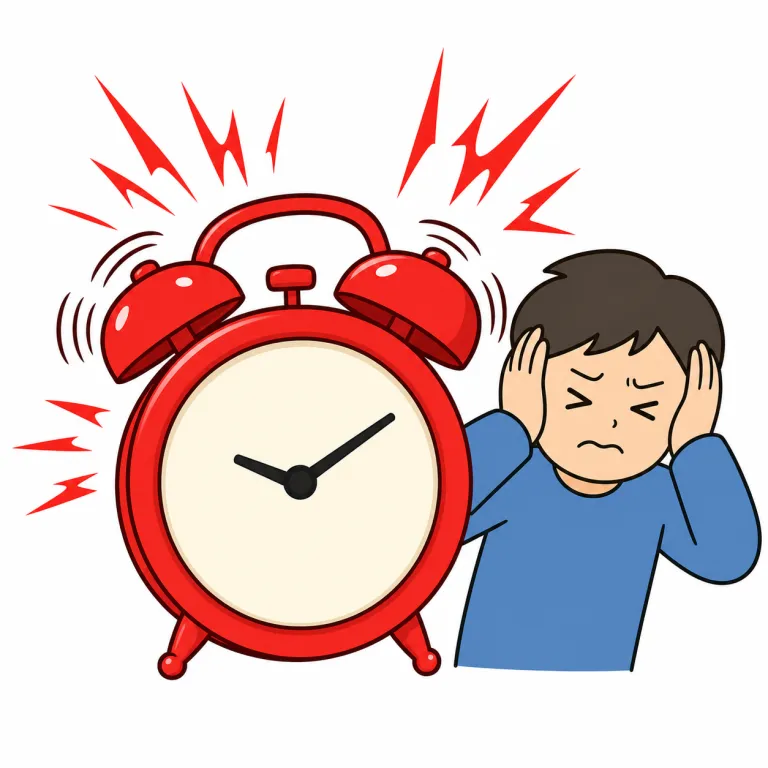
解説 Definition
音や声、音楽などのボリュームが大きく、周囲にはっきり強く聞こえる状態を表す形容詞です。単に音量が高いという事実だけでなく、聞く人にとってうるさい、騒がしいと感じられる状況でもよく使われます。日常会話では部屋、店、車、機械など幅広い対象に使えます。
Producing or involving a strong sound that is easy to hear. It can also suggest that the sound is unpleasant or disturbing because its volume is too high.
例文
The music is too loud in this cafe.
このカフェは音楽がうるさすぎる。
He has a loud voice.
彼は声が大きい。
The engine was so loud that we couldn't talk.
エンジン音が大きすぎて私たちは話せなかった。
派手な
(意味 3)
解説 Definition
色や柄、デザインなどが強く目立ち、上品というより刺激的でけばけばしい印象を与えるときに使います。服、ネクタイ、部屋の装飾、広告など、見た目が必要以上に派手だと感じる文脈でよく用いられます。好みによっては、少し否定的な響きになることもあります。
Very bright, strongly patterned, or visually noticeable in a way that may seem excessive. It is often used somewhat negatively about clothes, colors, decorations, or designs that look showy.
覚え方のコツ Memory Tip
loud は音だけでなく、色や柄が「目にうるさい」ほど強いときにも使うと覚えると定着しやすい語。a loud shirt, loud colors, loud wallpaper のように、見た目が派手で周囲から浮く感じが中心。単に華やかな beautiful や colorful ではなく、少しけばけばしい・品がないという評価が入りやすい。音が大きい loud と切り分けるなら、「耳に loud」は大音量、「目に loud」は派手すぎる、と整理すると分かりやすい。
Think of something that is visually so strong that it is almost noisy to your eyes. A loud shirt or loud wallpaper stands out sharply and may look rather showy or lacking in taste.
例文
She wore a loud shirt to the party.
彼女はパーティーに派手なシャツを着ていった。
I don't like loud colors in my room.
私は部屋に派手な色を使うのが好きではない。
The store window was full of loud patterns.
その店のショーウィンドーは派手な柄でいっぱいだった。
loud の類義語・関連語
loud の語源・成り立ち Etymology
古英語 hlūd(騒がしい)から。ゲルマン祖語 *hlūdaz に遡り、ラテン語 inclutus(名高い)やギリシャ語 klytos(有名な)と同じ印欧語根 *klew-(聞く)に由来。関連語: aloud, listen。「人に聞こえる」が原義で、音の大きさを表すようになった。
Loud comes from Old English hlud, meaning "noisy" or "heard clearly," and it goes back to a Germanic root. That root is linked to the Indo-European base *klew-, meaning "to hear," which also appears in words connected with hearing or fame. The original idea was not just strength of sound, but something noticeable because people could hear it. A related English form is aloud.
同じレベルの語彙をもっと
外部辞書で調べる
この英単語をクイズで覚えよう