ノイズの多い、乱れの多い
adjective 形容詞音の大きさではなく、信号、画像、測定データなどに不要な乱れや誤差が多く含まれることを表す。技術や研究の文脈でa noisy signalやnoisy dataのように使い、必要な情報を読み取りにくい状態をいう。
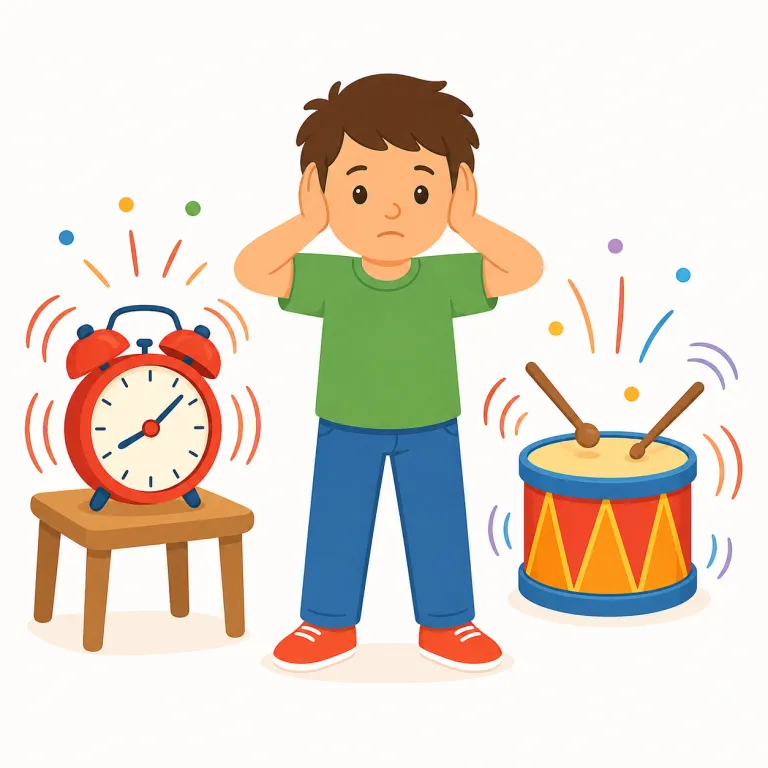
noisy は英検3級・TOEIC 600レベルの英単語で、「騒々しい」という意味があります。発音記号は /ˈnɔɪziː/ です。
音が大きく、耳に不快に聞こえる様子。静かな環境を欲する人にとっては煩わしい音のことです。
Noisy describes a place, person, or thing that makes a lot of sound. It is often used when the sound feels unpleasant, distracting, or louder than normal.
noise(騒音)を知っていれば、そのまま「騒音っぽい」→ noisy とつなげると覚えやすいです。語尾の -y は cloudy, rainy のように「〜に満ちた」の感覚なので、noisy は「音がある」より「ガヤガヤして気が散る」側。loud は単に音量が大きいだけでも使えますが、noisy は不快さ・わずらわしさを含みやすい語。a noisy room, noisy neighbors, noisy street など、静かさを邪魔する場面とセットで覚えると定着します。
Build it from `noise` + `-y`, like `rainy` or `cloudy`, so the form is easy to remember. Compare it with `loud`: `loud` is about strong volume, but `noisy` often suggests sound that bothers you. Picture a `noisy street` or `noisy neighbors`.
The room is noisy with loud music.
大きな音で音楽が流れ、部屋はうるさいです。
This bus is noisy and hurts my ears.
このバスは音がうるさく、耳が痛くなります。
My dog is noisy because it barks often.
うちの犬はよく吠えるのでうるさいです。
この語をはじめて出題された 46人 のうち 43人 が正解しました(93%)。
えいたんごクイズの回答から集計した独自データです。1人につき最初に出題されたときの1回だけを数えており、復習や2回目以降の回答、「わからない」と時間切れは含みません。 集計時点は 2026年9月19日 です。
文脈によって、次の意味でも使われます。
音の大きさではなく、信号、画像、測定データなどに不要な乱れや誤差が多く含まれることを表す。技術や研究の文脈でa noisy signalやnoisy dataのように使い、必要な情報を読み取りにくい状態をいう。
noisy は noise に「〜に満ちた」を表す接尾辞 -y が付いた形で、noise は古フランス語 noise「騒ぎ・口論」にさかのぼります。noise や noisemaker と同根で、単なる音ではなく「騒動っぽいうるささ」が語感に残っています。
Noisy comes from `noise` with the adjective ending `-y`, meaning "full of" or "having a lot of." `Noise` entered English from Old French `noise`, which meant "uproar, quarrel, or disturbance." Because of that history, the word still suggests not just sound but a kind of troubling or disorderly loudness, as in `noisemaker`.
この英単語をクイズで覚えよう