意味一覧 (3件)
騒音
解説 Definition
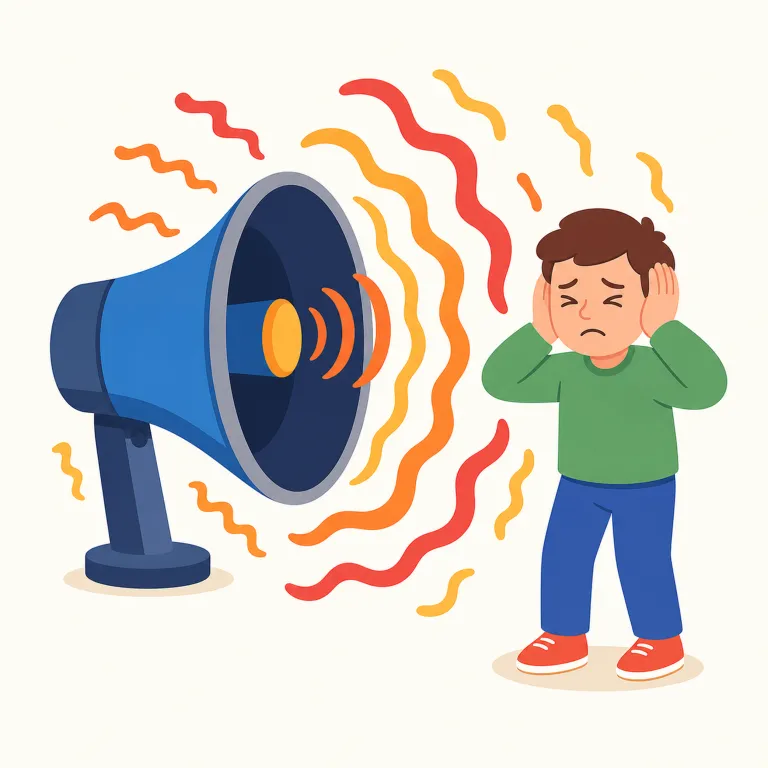
大きくて不快な音、またはそのような音が多くある状態。周囲を不快にする大きな音のことを指します。
Noise is a sound, especially one that is loud, unpleasant, or unwanted. It is commonly used when talking about traffic, machines, crowds, or any sound that disturbs people. The word can also refer more generally to any kind of sound.
覚え方のコツ Memory Tip
noise はまず noisy(うるさい)とセットで覚えると定着しやすい語。音一般なら sound だが、noise は「聞きたくない」「邪魔な」音という不快さが中心。だから traffic noise, background noise, make noise が自然に結びつく。子どもが騒ぐ、機械がガタガタ鳴る、隣室がうるさい、そんな場面をまとめて思い浮かべるとよい。情報分野では「雑音」の意味にも広がるので、役立つ音は sound、邪魔な音は noise という対比で固定すると忘れにくい。
Learn noise with noisy. Sound is any sound, but noise usually suggests a sound you do not want or that disturbs you. Phrases like traffic noise, background noise, and make noise are strong memory anchors.
例文
The noise is very loud.
その騒音はとても大きい。
I hear noise outside.
外から騒音が聞こえる。
I do not like this noise.
この騒音は嫌だ。
雑音
(意味 2)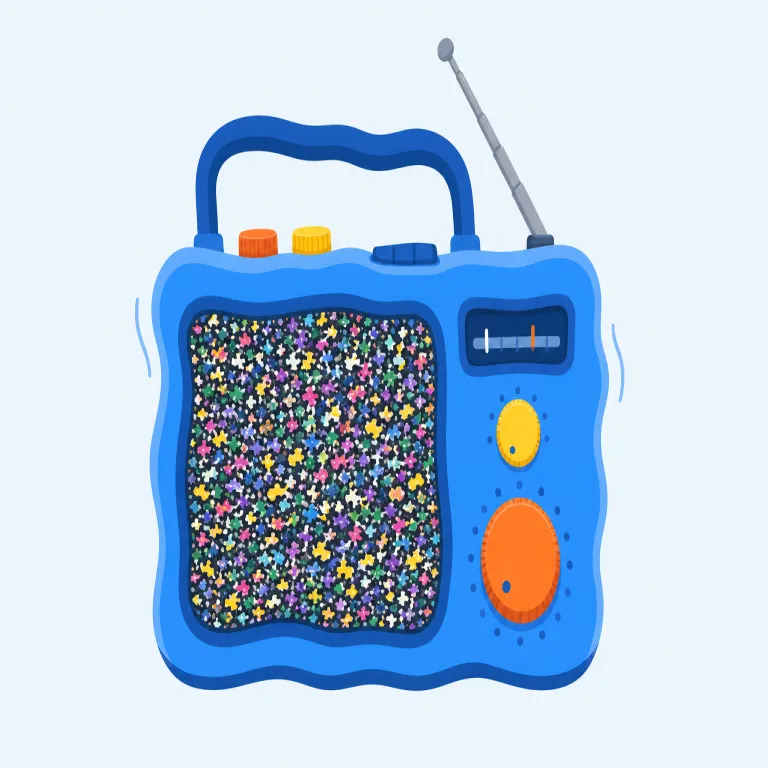
解説 Definition
聞き取りや理解をじゃまする不要な音を表す語。会話や録音で後ろに入る余計な音だけでなく、通信や電子機器で信号を乱す成分にも使う。比喩的に、議論の本筋をぼかす余計な情報や意見を指すこともある。
Unwanted sound that makes speech or recordings harder to hear, or interference that disrupts an electronic signal. It can also mean unnecessary information or opinions that make the main point harder to understand.
例文
The phone line had too much noise.
電話回線に雑音が多すぎた。
That noise makes the song hard to hear.
その雑音のせいで歌が聞き取りにくいです。
The report is useful, but some of the data is just noise.
その報告書は有用だが、一部のデータはただの雑音にすぎない。
物音
(意味 3)
解説 Definition
人や物が動いて立てる音や、どこかから聞こえる何らかの音を広く表す語。必ずしも不快な響きとは限らず、正体の分からない音や、気配として聞こえる音について述べるときによく使う。会話では、原因よりも「何か聞こえる」こと自体を言う場面で自然。
A sound made by someone or something, especially one whose cause is unclear. It can be something you suddenly notice hearing and does not have to be loud or unpleasant.
覚え方のコツ Memory Tip
noise は noisy(うるさい)とセットで覚えつつ、ここでは「何か聞こえた物音」と広めに押さえると定着しやすい語。sound が音一般を中立に表すのに対し、noise は正体がはっきりしない音、気になる音、ふと聞こえた音に使いやすい。a strange noise outside the window なら、必ずしも大きな騒音ではなく「外で何か物音がした」という感じ。交通騒音の noise とは、不快さより“何か聞こえる”点に焦点を置くと切り分けやすい。
Link noise with noisy, but picture a small, mysterious sound rather than something necessarily loud. The phrase 'a strange noise' helps you remember the experience of hearing something without knowing what caused it.
例文
I heard a strange noise outside the window.
窓の外で奇妙な物音がした。
A small noise woke the baby.
小さな物音で赤ちゃんが目を覚ました。
The car made a strange noise.
車から変な物音がしました。
えいたんごクイズでの正答率
この語をはじめて出題された 30人 のうち 26人 が正解しました(87%)。
えいたんごクイズの回答から集計した独自データです。1人につき最初に出題されたときの1回だけを数えており、復習や2回目以降の回答、「わからない」と時間切れは含みません。 集計時点は 2026年9月19日 です。
noise の類義語・関連語
noise の語源・成り立ち Etymology
古フランス語 noise(騒ぎ、口論)から。さらにラテン語 nausea(船酔い、吐き気)に遡るとされ、「船酔いの不快感→騒ぎ・不快な音」へと意味が変化した。関連語: nausea, noisy。不快感が騒音の意味に転じた興味深い例。
Noise came from Old French noise, which meant "uproar," "quarrel," or "disturbance." It is often traced further back to Latin nausea, meaning "seasickness" or "disgust," suggesting an unpleasant feeling. Over time, the idea shifted from general disturbance to unpleasant sound, and it is related to noisy and nausea.
同じレベルの語彙をもっと
外部辞書で調べる
この英単語をクイズで覚えよう