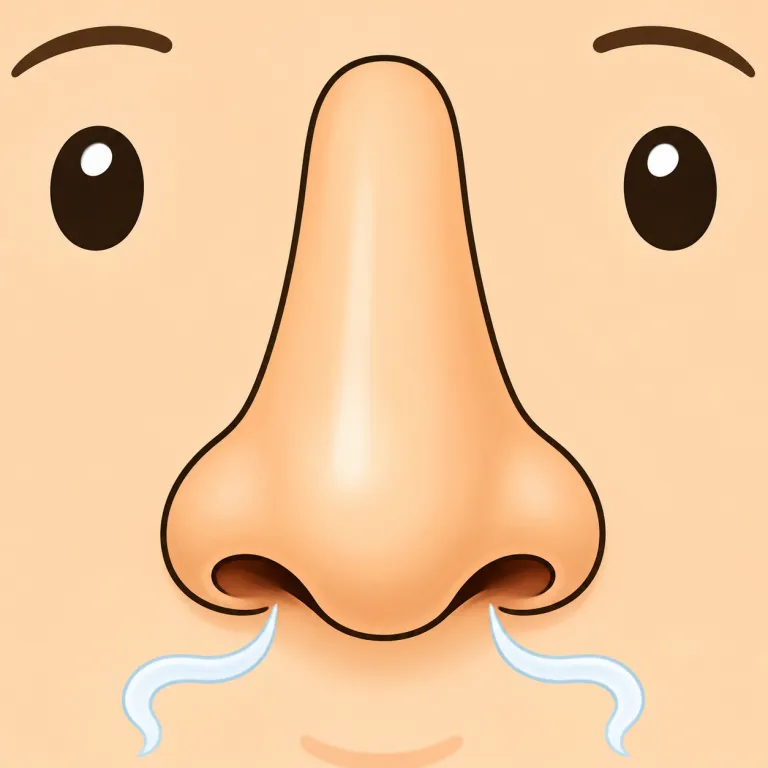
nose
nose は英検7級レベルの英単語で、「鼻、嗅ぎつける」という意味があります。発音記号は /noʊz/ です。
意味一覧 (2件)
鼻
解説 Definition
人や動物の顔の中央あたりにあり、においをかいだり、息をしたりする体の部分を表します。目の下、口の上にある部分で、形や大きさは人によって違います。
The part of the face used for smelling and breathing. It is above the mouth and below the eyes.
覚え方のコツ Memory Tip
nose は、顔の中央でにおいをかぎ、息もする「鼻」です。目の下、口の上を指で軽く示しながら nose と声に出すと、位置と音が結び付きます。touch my nose「自分の鼻に触る」、a small nose「小さな鼻」、my nose hurts「鼻が痛い」を一まとまりで覚えましょう。においをかぐ動作は smell ですが、その働きをする体の部分が nose です。また、日本語の「ノーズ」は飛行機の先端などにも使われるので、「前へ突き出た部分」という形を手掛かりにすると残りやすいです。
Think of the n in nose as the n in smell with your nose. Your nose is the part of your face that smells things.
例文
I touch my nose.
私は鼻をさわります。
His nose is small.
彼の鼻は小さいです。
My nose hurts.
私の鼻が痛いです。
嗅ぎつける
(意味 2)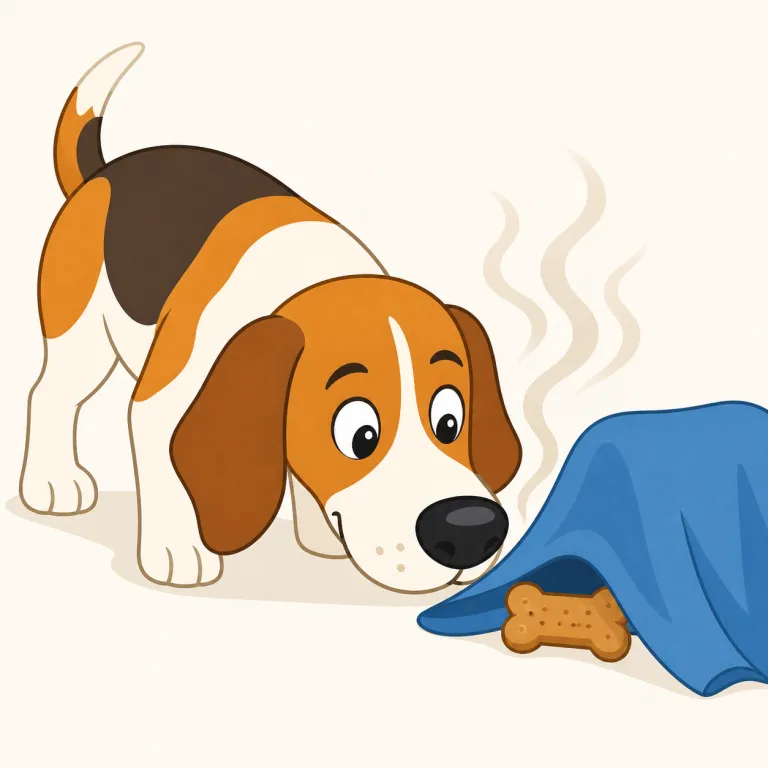
解説 Definition
鼻を使って何かを嗅ぎつけたり、探したりすることを意味します。隠されたものや秘密を見つける動作を指します。
To nose means to search for something by smelling, pushing, or moving carefully with the nose. It can also mean to look for information in a way that feels too curious or intrusive. The word is often used for animals literally, and for people in a more informal or negative sense.
覚え方のコツ Memory Tip
まず名詞の nose「鼻」から出発すると覚えやすいです。動詞になると「鼻を使って探る」→「嗅ぎつける・嗅ぎまわる」という流れ。犬が床や荷物の周りを nose around している場面を思い浮かべると定着しやすいです。秘密や他人のことに首を突っ込む感じでは nose into もよく出ます。単なる smell が「においを感じる」なのに対し、nose はもっと能動的に鼻先で探るニュアンス。形容詞 nosy「詮索好きな」と一緒に覚えると、他人のことを嗅ぎまわる語感までつながります。
As a verb, `nose` suggests using your nose like a dog to search closely. That is why `nose out` means find something hidden, and `nose around` means look into other people's things or private business. It is more active and curious than `smell`.
例文
The dog nosed out the hidden treasure.
その犬は隠された宝物を嗅ぎつけました。
The detective nosed out the criminal's location.
その探偵は犯人の居場所を嗅ぎつけました。
Reporters nosed out the details of the scandal.
記者たちはスキャンダルの詳細を嗅ぎつけました。
nose の類義語・関連語
類義語
紛らわしい語
nose を含む表現
句動詞・イディオムなど 3 件。クリックで各表現の詳細へ。
nose の語源・成り立ち Etymology
古い英語の nosu に由来し、同じく「鼻」を意味していました。さらに古いゲルマン語の言葉とも関係があり、昔から顔の一部である鼻を表す語として使われてきました。
Nose comes from Old English nosu, meaning "nose." It is related to older Germanic words for the same part of the face.
同じレベルの語彙をもっと
英検7級の一覧へ →外部辞書で調べる
この英単語をクイズで覚えよう