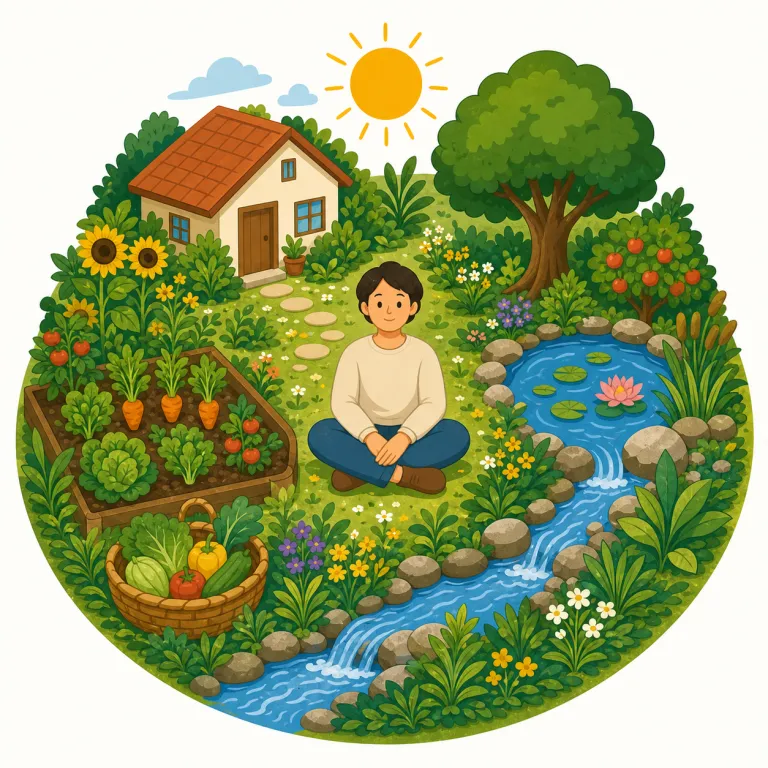
holistic
holistic は英検準1級レベルの英単語で、「全体的な」という意味があります。発音記号は /hoʊˈlɪstɪk/ です。
全体的な
解説 Definition
holisticとは、物事の個々の部分だけでなく、全体をひとつのまとまりとして捉えるアプローチや考え方を表す形容詞です。医療、教育、環境など様々な分野で、部分的な視点ではなく総合的・全体的な観点から考えることを指します。
Holistic means considering the whole of something, not just separate parts. It is often used in health, education, or problem-solving when people want a complete and balanced approach.
覚え方のコツ Memory Tip
holistic は、まず簡単な whole「全体」と結びつけて覚えると残りやすい語です。hol- を見たら「細かく切らず、全体像でつかむ」と連想するとよいです。partial や specific が一部に焦点を当てるのに対し、holistic は全体のバランスやつながりを見る感じ。holistic approach, holistic care のように、医療・教育・問題解決で「部分最適ではなく総合的に見る」場面と一緒に覚えると定着します。
Connect `holistic` with the simpler word `whole`. When you see `hol-`, think about seeing the full picture, not just one small part. It often appears in phrases like `a holistic approach` or `holistic care`. Remember it against words like `partial` or `specific`.
例文
The doctor took a holistic approach to her patient's health, considering mind, body, and lifestyle.
医師は心、体、そして生活習慣を考慮した全体的なアプローチで患者の健康に取り組みました。
The school adopted a holistic education model that nurtures creativity alongside academics.
その学校は学業と同時に創造性を育む全体的な教育モデルを採用しました。
A holistic view of the problem revealed connections that were previously overlooked.
問題を全体的な視点から見ることで、これまで見過ごされていたつながりが明らかになりました。
えいたんごクイズでの正答率
この語をはじめて出題された 57人 のうち 40人 が正解しました(70%)。
えいたんごクイズの回答から集計した独自データです。1人につき最初に出題されたときの1回だけを数えており、復習や2回目以降の回答、「わからない」と時間切れは含みません。 集計時点は 2026年9月19日 です。
holistic の類義語・関連語
holistic の語源・成り立ち Etymology
holistic は、J・C・スマッツが1926年に造語した holism「全体論」に、形容詞語尾 -istic が付いた語です。holism はギリシャ語 holos「全体」に由来します。whole や wholesome は意味上の連想には役立ちますが、古英語 hāl に由来する別系統の語であり、holistic の直接の語源でも同根語でもありません。
Holistic was formed in 1926 from holism plus the adjective-forming suffix -istic. Holism was coined by J. C. Smuts from Greek holos, meaning "whole." The English words whole and wholesome are useful semantic associations, but they descend from a different root and are not the direct source or etymological cognates of holistic.
同じレベルの語彙をもっと
英検準1級の一覧へ →外部辞書で調べる
この英単語をクイズで覚えよう