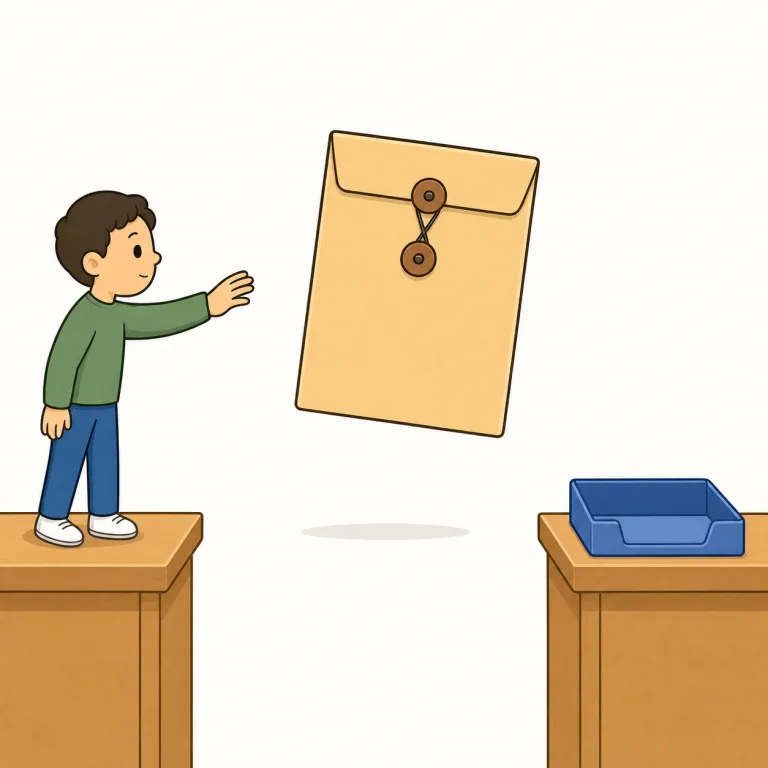
保留状態、宙ぶらりんの状態
解説 Definition
結論や今後の見通しが定まらず、先に進めない宙ぶらりんの状態を表す名詞です。計画、申請、交渉などが保留され、関係者が結果を待つ状況に使います。
Limbo is a state of uncertainty where nothing is decided or moving forward. It describes a situation in which someone is waiting without knowing what will happen next. The word is common when talking about jobs, plans, legal matters, or relationships.
使い方 Usage
- be in limbo で「保留状態・宙ぶらりんである」。この形では limbo の前に冠詞を置きません。 Be in limbo means to be in an unresolved or uncertain state. Do not put an article before limbo in this expression.
- leave A in limbo は「Aを宙ぶらりんにしておく」。受け身の A is left in limbo も使われます。 Leave A in limbo means to leave A in an unresolved state. The passive form A is left in limbo is also used.
使い分け Common distinctions
- pending は処理や決定を待っていることを表します。in limbo は、それに加えて先行きが不透明で進めない感覚を強調します。 Pending describes something awaiting action or a decision. In limbo emphasizes the uncertainty and inability to move forward.
覚え方のコツ Memory Tip
結論が出ず、計画も関係者も宙に浮いたまま動けない場面を思い浮かべましょう。「宙ぶらりん」というイメージを be in limbo の形と一緒に覚えると、使う場面も思い出しやすくなります。
Picture a plan and the people involved suspended in the air, unable to move until a decision is made. Learn this image together with be in limbo.
例文
The project has been in limbo for months.
そのプロジェクトは何か月も保留状態のままです。
After the rejection, his career was left in limbo.
不採用となったあと、彼のキャリアは先行きが定まらない状態になりました。
We can't move forward while the decision is in limbo.
決定が保留状態のままでは、先に進めません。
limbo の類義語・関連語
limbo の語源・成り立ち Etymology
limbo は中世ラテン語 limbus(へり・境界)に由来し、英語へは教会ラテン語経由で入りました。原義が「ふち」なので、天国でも地獄でもない境目の場という神学的意味になりました。関連語は limbus、limbal。
Limbo comes from Medieval Latin limbus, meaning "edge" or "border," and entered English through Church Latin. Because the original sense was a border or outer edge, it came to mean a place or state between two others, especially in theology. Related forms include limbus and limbal.
同じレベルの語彙をもっと
外部辞書で調べる
この英単語をクイズで覚えよう