
linger
linger はTOEIC 860・TOEFL 80・IELTS 6.5レベルの英単語で、「長引く、居残る」という意味があります。発音記号は /ˈlɪŋɡɚ/ です。
意味一覧 (2件)
長引く
解説 Definition
物事・状態・感覚・影響などが、消えたり終わったりせず、予想以上に長く続くことを表す動詞です。におい、痛み、疑念、影響などがあとまで残る場面で使われます。
To linger means to stay somewhere longer than necessary or expected, or to continue for more time than usual. It can describe people, feelings, smells, or effects that do not leave quickly. The word often suggests slowness or hesitation.
覚え方のコツ Memory Tip
`long` を知っていると覚えやすい語で、「長く続く・長く残る」と発想すると `linger` の核がつかめます。単に continue するより、終わりきらずに気配や影響が残る感じが強く、`The smell lingered.` `pain lingers` `a memory lingers` のようによく出ます。人なら `linger after class` で「その場にしばらく残る」。はっきり終わらず、だらっと尾を引く場面をセットで覚えると定着します。
Link `linger` with `long`: something stays longer than expected. It often suggests that a smell, pain, feeling, or memory does not fully go away. Also remember the people use: `linger after class` means stay there for a while.
例文
The smell of smoke lingered in the room for hours.
煙のにおいが何時間も部屋に残った。
Her cough lingered for several weeks after the cold.
風邪が治ったあとも、彼女のせきは数週間長引いた。
The effects of the recession lingered for years.
景気後退の影響は何年も続いた。
居残る
(意味 2)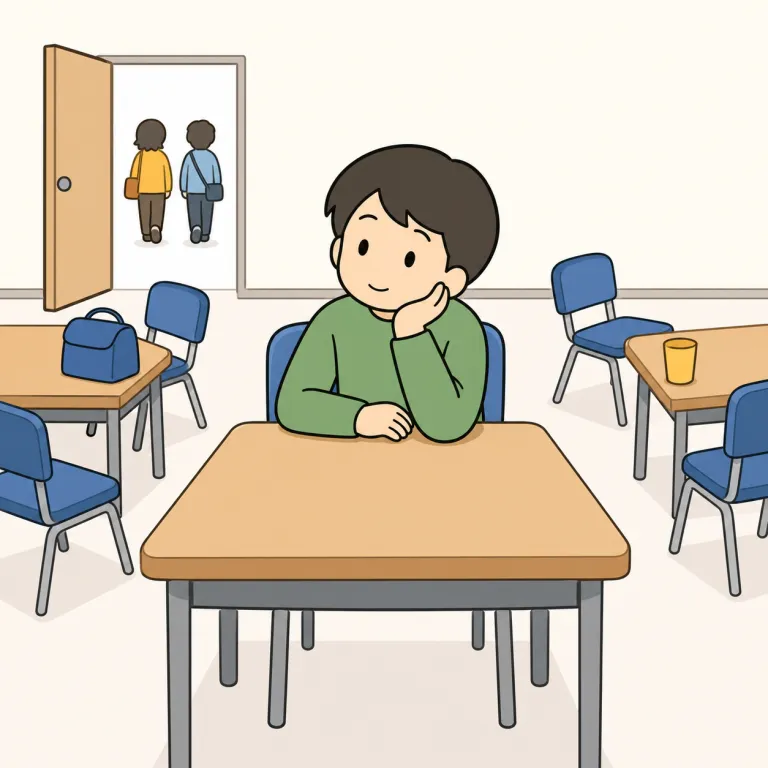
解説 Definition
人がその場をすぐに離れず、予定より長くとどまることを表す。帰りにくさ、名残惜しさ、ためらいなどから、少しぐずぐずしながら残る場面でよく使う。
To remain in a place longer than expected instead of leaving promptly. It often suggests hesitation, reluctance to leave, or a wish to stay a little longer.
例文
She lingered after class to ask the teacher a question.
彼女は先生に質問するため、授業後も居残った。
He lingered at the door, not knowing how to say goodbye.
彼はどう別れを告げればよいかわからず、戸口でぐずぐずしていた。
We lingered in the cafe long after our coffee was gone.
私たちはコーヒーを飲み終えたあとも、そのカフェに長居していた。
linger の類義語・関連語
linger の語源・成り立ち Etymology
linger は古英語 lengan「長くする・引き延ばす」にさかのぼり、明確な接頭辞よりも long と同じゲルマン語根を受け継ぐ語です。long や length も同根で、「長くなる」がそのまま「ぐずぐず残る・長引く」へ伸びたと考えると意味変化が見えます。
Linger goes back to Old English lengan, meaning "to make long" or "lengthen," and it shares a Germanic root with long and length. The meaning shifted from making something last longer to staying on, being slow to leave, or continuing for too long. This history explains its strong sense of duration.
同じレベルの語彙をもっと
TOEIC 860の一覧へ →外部辞書で調べる
この英単語をクイズで覚えよう