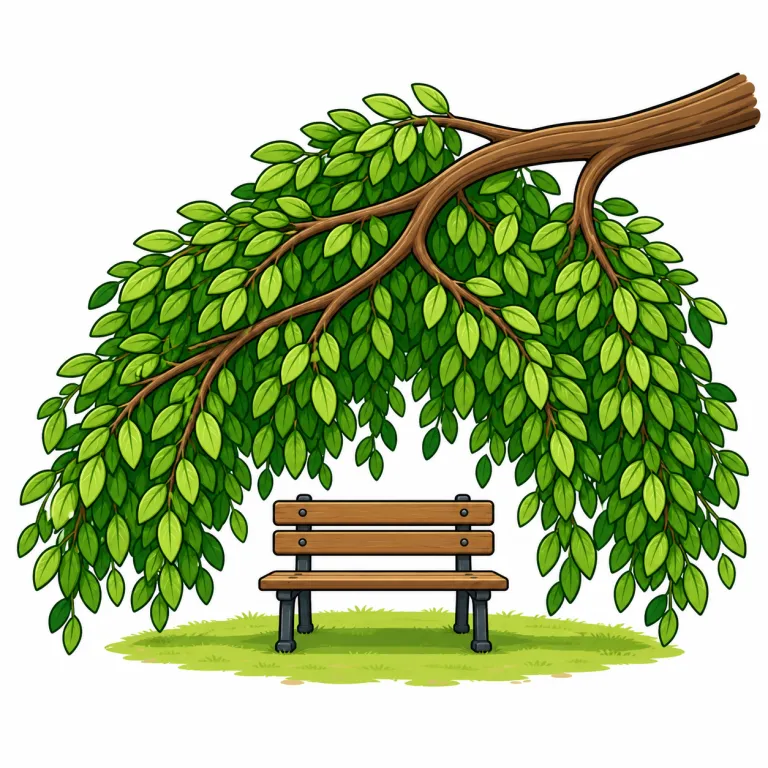
覆いかぶさる、垂れ下がる
解説 Definition
何かが上の方から別のものの上に出ていて、その一部をおおうように見えることを表します。また、物が上から下へぶら下がって、下にあるものの近くまで来ている様子にも使います。
To hang over something means to extend or dangle above it, often partly covering it. It describes a physical position, such as a branch, roof, or lamp above something.
覚え方のコツ Memory Tip
hang over は hang「ぶら下がる」と over「上を覆う位置」を組み合わせ、何かが下の物の上まで張り出す絵で覚えると定着しやすいです。A large branch hangs over the path なら、枝が道の上へ伸びて覆いかぶさる様子、A lamp hangs over the table なら、ランプがテーブルの真上に垂れ下がる様子です。単に hang from the ceiling「天井からつるされる」が起点を示すのに対し、hang over は下にある対象との位置関係に注目します。物理的な配置のこの語義では、影や不安の比喩を混ぜずに覚えましょう。
Think of hang as "dangle" and over as "above." Picture a branch hanging above a path.
例文
A large branch hangs over the path.
大きな枝が小道の上に垂れ下がっています。
The roof hangs over the entrance.
屋根が入り口の上に覆いかぶさるように出ています。
A lamp hangs over the table.
ランプがテーブルの上に垂れ下がっています。
尾を引く
(意味 2)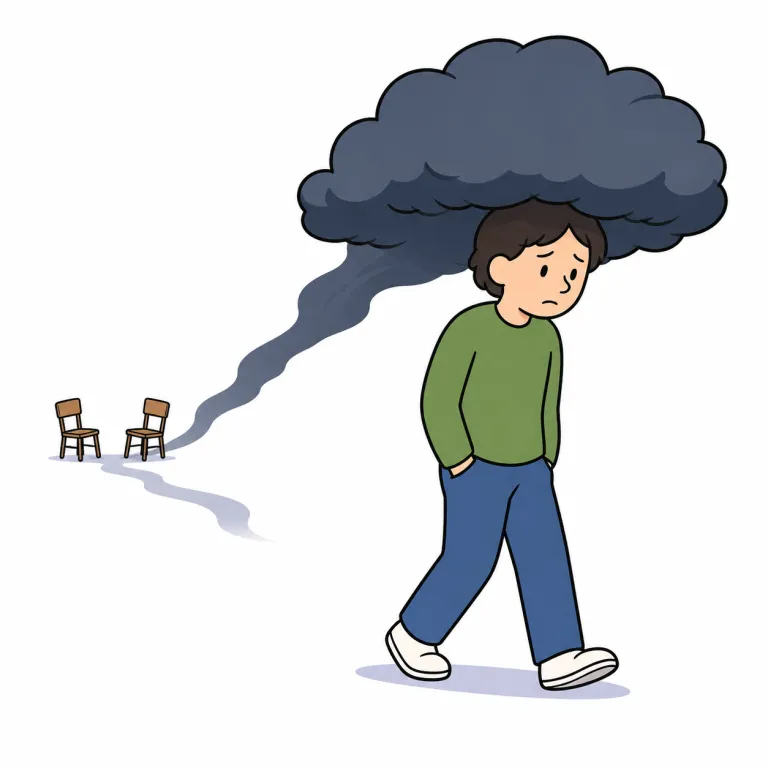
解説 Definition
出来事や問題の影響がいつまでも残って、その場の空気や人の気持ちに重くのしかかるときに使う。試験の結果や失敗に対する不安が心に hang over するように、終わったはずのことが尾を引いている状態を表現できる。会話では 'A still hangs over B' の語順で、過去の出来事が今でも人々を動揺させていることを伝える。
To "hang over" means to continue affecting someone or something, especially in an unpleasant way. It is often used for worries, problems, or bad feelings that do not disappear quickly. The phrase suggests that the effect stays in the background for some time.
覚え方のコツ Memory Tip
"hang"は「ぶら下がる」、"over"は「上にかぶさる」。『終わったはずの出来事が、まだ頭上にぶら下がっている』場面を思い浮かべると、尾を引く感覚がつかみやすい。気分・不安・疑惑・沈黙など、目に見えない重さが人や場に残るときによく使い、hang over someone, hang over the meeting の形が典型。単に続く linger よりも、『嫌な影が消えずに覆っている』圧迫感が強い。名詞の hangover(二日酔い)と形が近いので、どちらも『後にいやな影が残る』でまとめると記憶しやすい。
Picture something still hanging above you after the event is over. That image helps with feelings like guilt, tension, or silence that do not go away quickly. It is stronger and heavier than `linger`, and it connects nicely with the noun `hangover`: something unpleasant remains after.
例文
A sense of guilt still hangs over him after the argument.
その議論の後、彼にはまだ罪悪感がつきまとっている。
The uncertainty from the layoffs hung over the company for months.
解雇をめぐる不透明さが数か月間会社全体に重くのしかかっていた。
Questions about the missing funds still hang over the committee.
消えた資金をめぐる疑問が、今も委員会に重くのしかかっています。
hang over の類義語・関連語
hang over の語源・成り立ち Etymology
hang は古い英語で「ぶら下がる、つるす」を表す語から来ています。over は「上に、上をおおって」という意味を表します。この二つが合わさり、何かが上から出ていたり、下へ垂れていたりする様子を表すようになりました。
Hang comes from Old English words meaning "to be suspended" or "to fasten from above." Over comes from Old English ofer, meaning "above" or "across." Together they describe something suspended or extending above another thing.
同じレベルの語彙をもっと
外部辞書で調べる
この英熟語をクイズで覚えよう