
still
still は英検4級レベルの英単語で、「まだ、それでも、静かな、動かない」という意味があります。発音記号は /ˈstɪl/ です。
意味一覧 (3件)
まだ
解説 Definition
ある状態や行為が以前から基準時まで変わらず続いていることを表す副詞。「まだ」「今でも」の意味で、一般動詞の前やbe動詞の後に置かれることが多い。
As an adverb, still means that a state or action continues up to the relevant time and has not changed or ended. It usually appears before a main verb or after the verb be.
覚え方のコツ Memory Tip
still は、前から続く状態が基準となる時点でも変わっていないことを示し、「まだ・今でも」と捉える。I still like ... のように一般動詞の前、He is still ... のように be動詞の後に置くのが基本である。「以前から今までそのまま」という時間の線を思い浮かべるとよい。
Imagine time moving forward while the situation stays still. In phrases such as "still waiting" and "still remember," the action or state continues from an earlier time.
例文
I still like this song.
私はまだこの歌が好きです。
He is still in bed.
彼はまだベッドの中にいます。
The bag is still here.
そのかばんはまだここにあります。
えいたんごクイズでの正答率
この語をはじめて出題された 34人 のうち 29人 が正解しました(85%)。
えいたんごクイズの回答から集計した独自データです。1人につき最初に出題されたときの1回だけを数えており、復習や2回目以降の回答、「わからない」と時間切れは含みません。 集計時点は 2026年9月19日 です。
それでも
(意味 2)
解説 Definition
前に述べた事実や問題を受けても、結論や状況が変わらないことを示す副詞。「それでも」「なお」の意味で、不利な条件や反対意見のあとに置かれ、話し手の判断や事実がそのまま続くことを表す。文頭でも文中でも使える。
Despite the fact or difficulty just mentioned. This adverb introduces an action, result, or judgment that holds true even when the circumstances suggest otherwise.
覚え方のコツ Memory Tip
still は「状況が変わるはずなのに、結論は動かず残る」と捉えると、「それでも」が覚えやすいです。The road was long; still, we kept walking. なら、道のりは長いという不利な条件があっても、歩き続ける判断はそのまま。I still remember の「まだ・今でも」は時間的な継続ですが、この語義では反対材料を受けても主張や行動が変わらない逆接として切り分けます。
Imagine a difficulty pushing against a decision, but the decision stays in place. In 'It was raining; still, we went out,' the rain does not change the action. Link this use to an unexpected result despite an obstacle.
例文
The road was long; still, we kept walking.
道のりは長かった。それでも私たちは歩き続けた。
I disagree with you, but I still respect your opinion.
あなたには反対だが、それでもあなたの意見は尊重している。
He had little experience, but he still got the job.
彼にはほとんど経験がなかったが、それでもその仕事に就いた。
静かな、動かない
(意味 3)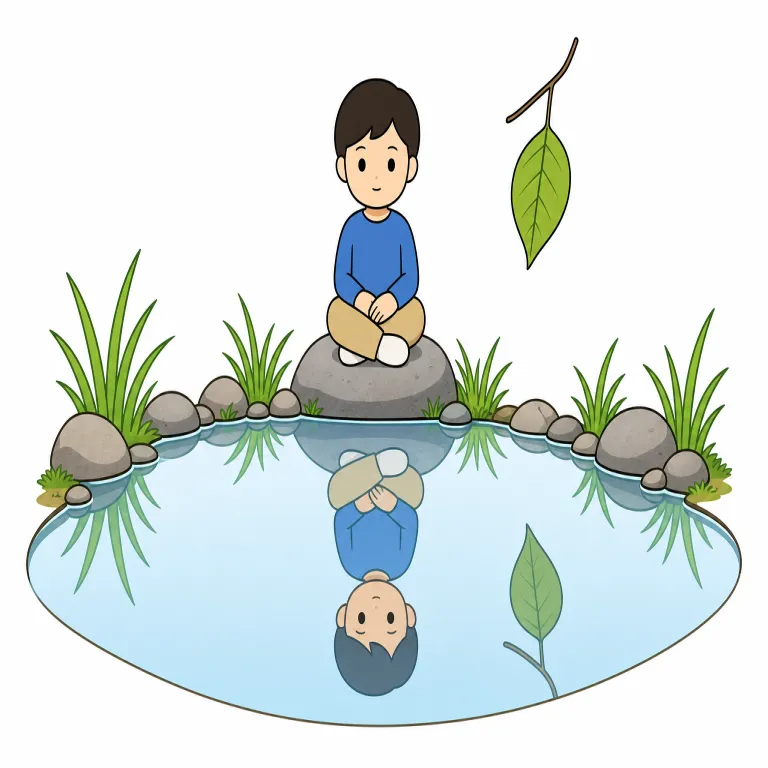
解説 Definition
音や動きがほとんどない状態を表す形容詞。人・空気・水面・部屋などについて「静かな」「じっとした」「動かない」のように使い、落ち着いた雰囲気や停止した様子を伝える。自然描写でも日常会話でも現れる。
Quiet or without movement. This adjective can describe a person holding one position, water without waves, or a room with almost no sound or activity.
覚え方のコツ Memory Tip
still は「音も動きも止まっている」と場面で覚えると、「静かな・動かない」が定着しやすい語です。a still lake なら波が立たない湖、keep still なら体をじっと動かさないこと。I still remember のような「まだ・今でも」は時間的な継続ですが、形容詞の still は部屋・水面・人などが静止している様子を表す、と切り分けると混乱しません。
Picture a lake with no waves and a person holding perfectly steady beside it. Connect 'a still lake' with unmoving water and 'keep still' with holding your body in place. Both expressions suggest that movement has stopped.
例文
The water was still.
水は静かだった。
Please stay still.
じっとしていてください。
The room was still.
部屋は静かだった。
still の類義語・関連語
still の語源・成り立ち Etymology
古英語 stille「静かに、動かずに」に由来します。「動かない」という中心的な感覚から、時間がたっても状態が変わらず続くことを表す「まだ」の意味が生まれました。関連語に stillness と standstill があります。
Still comes from Old English stille, meaning "quietly" or "without movement." The idea of remaining unchanged developed into the temporal sense of a state continuing up to a given time. Related words include stillness and standstill.
同じレベルの語彙をもっと
英検4級の一覧へ →外部辞書で調べる
この英単語をクイズで覚えよう