意味一覧 (3件)
ぶら下がる
解説 Definition
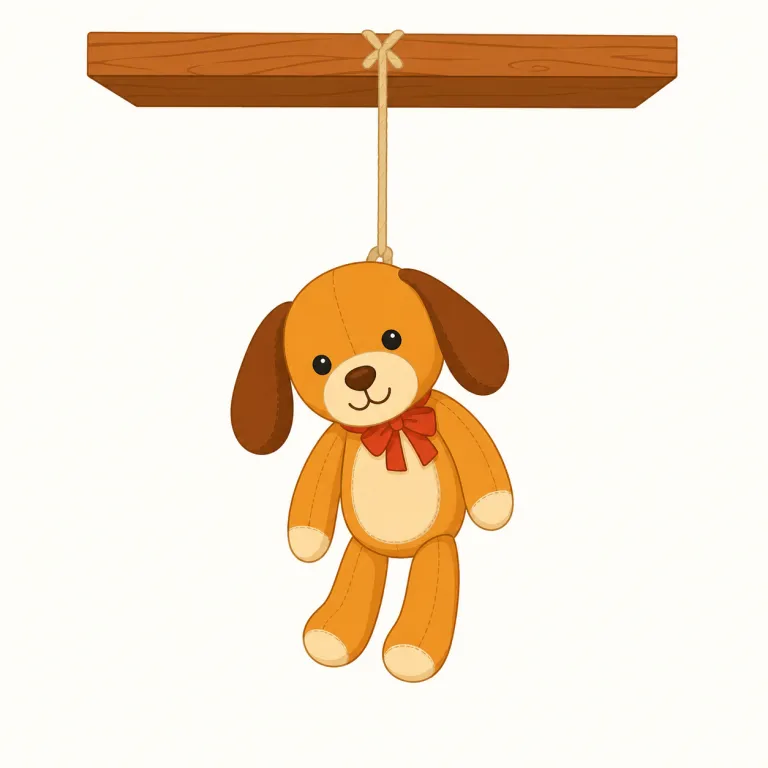
物が空間に揺れ動きながら下がっている、またはぶら下がっている状態を表します。何かに支えられながら、自由に揺れ動く様子です。
To dangle means to hang loosely and move freely, often from one end. It can also mean to hold something in front of someone as a possible reward or offer. The word is used both for physical movement and for tempting someone with a possibility.
覚え方のコツ Memory Tip
まず基本語の hang と比べると覚えやすいです。hang は単に「掛かっている」ですが、dangle は「一部だけ支えられ、先は宙でぶらぶら揺れる」感じ。legs dangle from a chair、earrings dangle、a key dangles from his belt のように、下側が自由に動く場面でよく使います。静止気味の hang より、だらり・ゆらりという動きが入るのが核心です。さらに dangle a reward のように「目の前にちらつかせる」比喩にも広がるので、物理的にも心理的にも“ぶら下げて揺らす”語だとまとめて覚えると残りやすいです。
Start with the easier word `hang`, then add movement. If something `dangles`, one part is fixed but the rest hangs loose and swings a little, like earrings or legs from a chair. The image is not just down, but down and gently moving.
例文
The ornament dangled from the Christmas tree branch.
装飾品はクリスマスツリーの枝からぶら下がっていた。
The keys dangled from the keychain in her hand.
鍵は彼女の手にあるキーリングからぶら下がっていた。
The bait dangled in front of the fish to tempt it.
餌は魚をおびき寄せるように、その前でぶら下がっていた。
ぶら下げる
(意味 2)解説 Definition
物をひも・手・端などから下に垂れる状態で持たせたり、固定したりする意味。鍵や飾り、足などが宙で揺れるように下がっている場面でよく使う。物を置くのではなく、ぶらぶら見える配置にする感じがあり、見せる動作にも使われることが多い。
例文
She dangled the keys in front of the baby.
彼女は赤ん坊の前で鍵をぶら下げた。
They dangled a lantern from the porch.
彼らは玄関ポーチからランタンをぶら下げた。
He sat on the wall, dangling his legs over the edge.
彼は壁の上に座り、端から足をぶら下げていた。
ちらつかせる
(意味 3)解説 Definition
利益や仕事、報酬など魅力のあるものを相手の前に示して、その気にさせたり従わせたりする意味。実際にすぐ与えるとは限らず、期待だけを持たせる駆け引きとして使われることが多い。甘い条件を見せて動かそうとする含みがある。
覚え方のコツ Memory Tip
まず物をぶら下げる dangle を思い浮かべると、比喩の意味が覚えやすいです。目の前で報酬や昇進をぶらぶら見せると、相手は思わず手を伸ばしたくなる。そこから dangle a reward, dangle the promise of promotion のように「魅力的なものをちらつかせる」という意味になります。実際に与えるとは限らず、期待だけを揺らして相手を動かす感じが核心です。単なる offer より、少し駆け引きめいた響きがあると押さえると定着しやすいです。
例文
The recruiter dangled a high salary to attract engineers.
その採用担当者は技術者を引きつけるために高給をちらつかせた。
They dangled the promise of promotion in front of him.
彼らは彼に昇進の約束をちらつかせた。
The seller dangled a limited-time discount to close the deal.
売り手は契約をまとめるために期間限定の値引きをちらつかせた。
dangle の類義語・関連語
類義語
紛らわしい語
dangle の語源・成り立ち Etymology
dangle はおそらくデンマーク語 dangle やスウェーデン語 dangla など、北欧系の『ぶらぶら揺れる』語に由来します。だから単に『掛かる』ではなく、『垂れ下がって揺れる』感じが中心です。関連語は dangling、dangly。
Dangle probably comes from Scandinavian words such as Danish dangle or Swedish dangla, which meant to hang and swing loosely. From the start, the word carried the feeling of something not just hanging, but moving lightly back and forth. Related English forms include dangling and dangly.
同じレベルの英単語をもっと
外部辞書で調べる
この単語を英単語クイズで覚えよう