
limb
limb は英検2級・TOEIC 860・TOEFL 80・IELTS 6.5レベルの英単語で、「手足、木の大枝」という意味があります。発音記号は /lɪm/ です。
意味一覧 (2件)
手足
解説 Definition
人や動物の腕または脚を指す名詞。特定の一本を指すことも、複数形 limbs で手足全体をまとめて指すこともある。
A limb is an arm or leg of a person or animal. It may refer to one particular arm or leg, while the plural limbs can refer to them collectively.
覚え方のコツ Memory Tip
limb は、人や動物の胴体から伸びる腕または脚の一本を指します。an injured limb なら「負傷した手足の一本」、複数形の limbs なら腕と脚をまとめた「手足」です。arm や leg より広く、どちらかを特定しない場面で使います。
Picture an arm or leg extending from the body. Limb is the general category word, so it can refer to either one rather than naming a specific body part.
例文
The accident left him with an injured limb.
その事故で彼は手足の一本を負傷した。
The dog stretched its limbs after waking up.
その犬は目を覚ますと手足を伸ばした。
Exercise can improve blood flow to the limbs.
運動は手足への血流を改善することがある。
えいたんごクイズでの正答率
この語をはじめて出題された 42人 のうち 29人 が正解しました(69%)。
えいたんごクイズの回答から集計した独自データです。1人につき最初に出題されたときの1回だけを数えており、復習や2回目以降の回答、「わからない」と時間切れは含みません。 集計時点は 2026年9月19日 です。
木の大枝
(意味 2)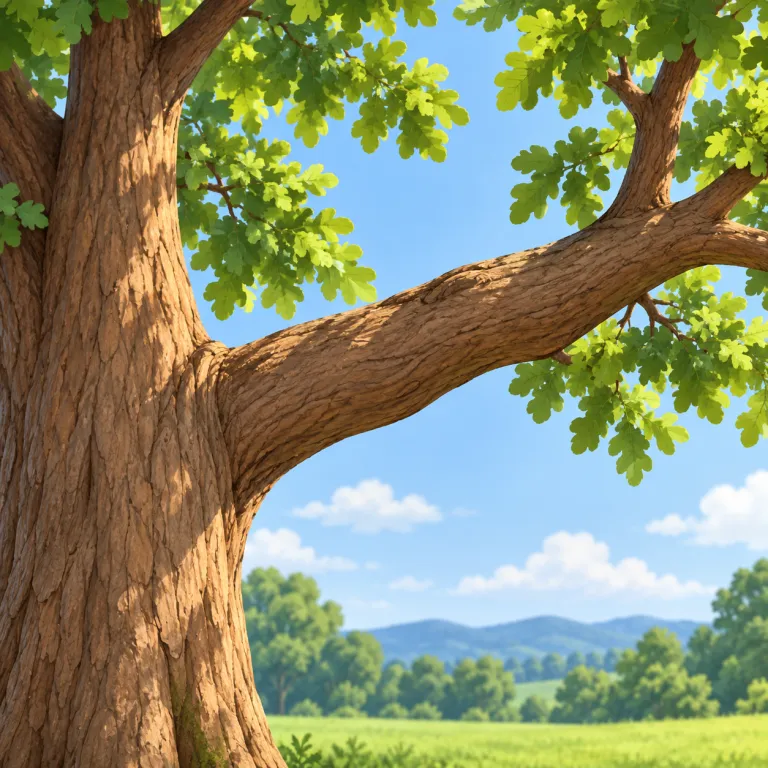
解説 Definition
木の幹から伸びる太い枝を指す名詞。一般的な branch よりも、木の主要部分をなす大きく頑丈な枝を表すことが多い。
A limb is a large main branch of a tree extending from the trunk. It generally suggests a substantial branch rather than a small twig.
覚え方のコツ Memory Tip
木について使うlimbは、幹から伸びる太く主要な大枝です。一般的なbranchよりも大きく頑丈な枝を指すことが多く、heavy limb「重い大枝」やhigh limb「高い大枝」の形で使われます。木が太い腕を伸ばしている姿を思い浮かべると、この語義を取り出せます。
Imagine a tree as a body and a large branch as one of its limbs. Focus on a substantial branch extending from the trunk, not a small twig.
例文
A heavy limb fell from the tree during the storm.
嵐の間に木から重い大枝が落ちた。
An owl was perched on a high limb.
フクロウが高い大枝に止まっていた。
The arborist removed a damaged limb from the oak.
樹木医はオークの傷んだ大枝を切り落とした。
limb の類義語・関連語
類義語
対義語
派生語
limb の語源・成り立ち Etymology
古英語 lim に由来し、手足や木から伸びる部分を表していました。身体の中心から張り出す部分という考えが、現在の「手足」という語義にも残っています。
Limb comes from Old English lim, a word used for an arm, leg, or projecting part such as a branch. The body-part sense preserves the idea of something extending from a main body.
同じレベルの語彙をもっと
英検2級の一覧へ →外部辞書で調べる
この英単語をクイズで覚えよう