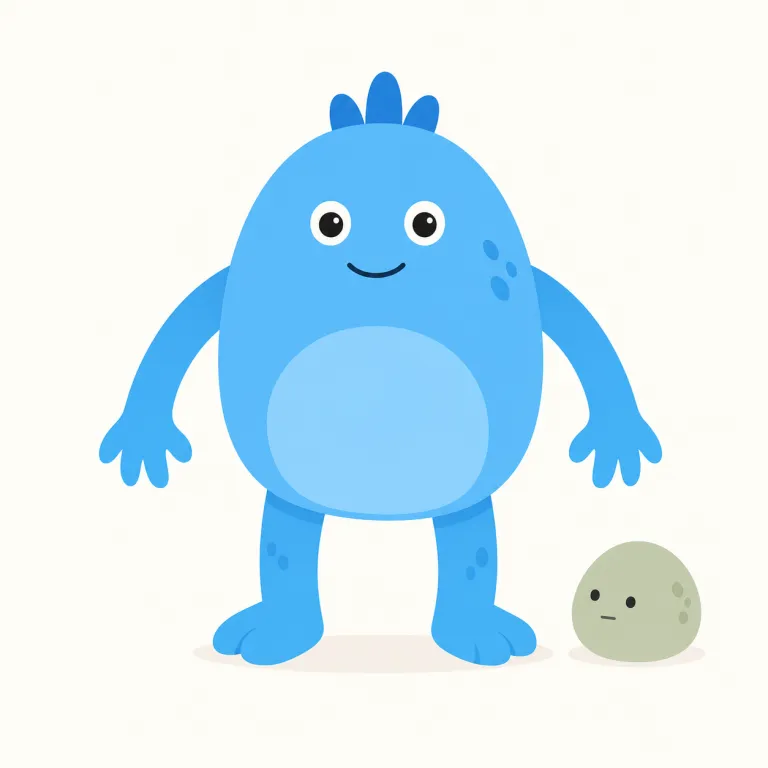
limbed
limbed はTOEIC 860・TOEFL 80・IELTS 6.5レベルの英単語で、「手足のある」という意味があります。発音記号は /lɪmd/ です。
手足のある
解説 Definition
腕や脚などの手足、またはそれに相当する肢を備えていることを表す形容詞。生物の進化や分類を説明する文脈で、ひれをもつ動物と対比して、手足をもつ生物を述べるときに使われる。
Limbed means having limbs such as arms and legs, or branches in the case of a tree. It is often used in descriptive compounds like "long-limbed" to talk about shape or appearance.
覚え方のコツ Memory Tip
まず limb =「手足」を知っていると limbed はすぐ取れる。-ed は「それを備えた」の感覚なので、「手足を備えた」→「手足のある」。この語は単独よりも four-limbed, long-limbed, limbless のように、体のつくりを説明する語群でまとめて覚えると残りやすい。生物学では finned「ひれのある」と対比されやすく、魚類的な体ではなく、脚や腕で支える生物を述べる場面で出る。limited など見た目の近い語とは無関係なので、limb を核に固定するのがコツ。
Begin with `limb`, meaning an arm or leg. The `-ed` ending often means "having," so `limbed` means "having limbs." It is easiest to remember in combinations like `long-limbed`, `four-limbed`, or beside the opposite `limbless`.
例文
Four-limbed animals were able to move onto land.
四肢のある動物は陸上へ進出できた。
The fossil belongs to one of the earliest limbed vertebrates.
その化石は、四肢をもつ最初期の脊椎動物の一つに由来する。
Researchers compared limbed species with their finned relatives.
研究者たちは、手足のある種とひれをもつ近縁種を比較した。
limbed の類義語・関連語
対義語
派生語
limbed の語源・成り立ち Etymology
limbed は limb「手足・枝」+ -ed から成り、limb は古英語 lim、さらにゲルマン系の古い語にさかのぼる。limbless や long-limbed も同根で、もともと「胴や幹から突き出た部分」の語だと知ると、手足にも枝にも使える広がりが見える。
Limbed is formed from limb and the ending -ed. Limb comes from Old English lim, from an older Germanic word for a body part or branch-like part. The basic image was something extending out from a main body, which is why it can refer to arms and legs as well as branches. Related words include limbless and long-limbed.
同じレベルの英単語をもっと
TOEIC 860の一覧へ →外部辞書で調べる
この単語を英単語クイズで覚えよう