limp
limp は英検準1級レベルの英単語で、「足を引きずる、ぐったりしている」という意味があります。発音記号は /lɪmp/ です。
意味一覧 (2件)
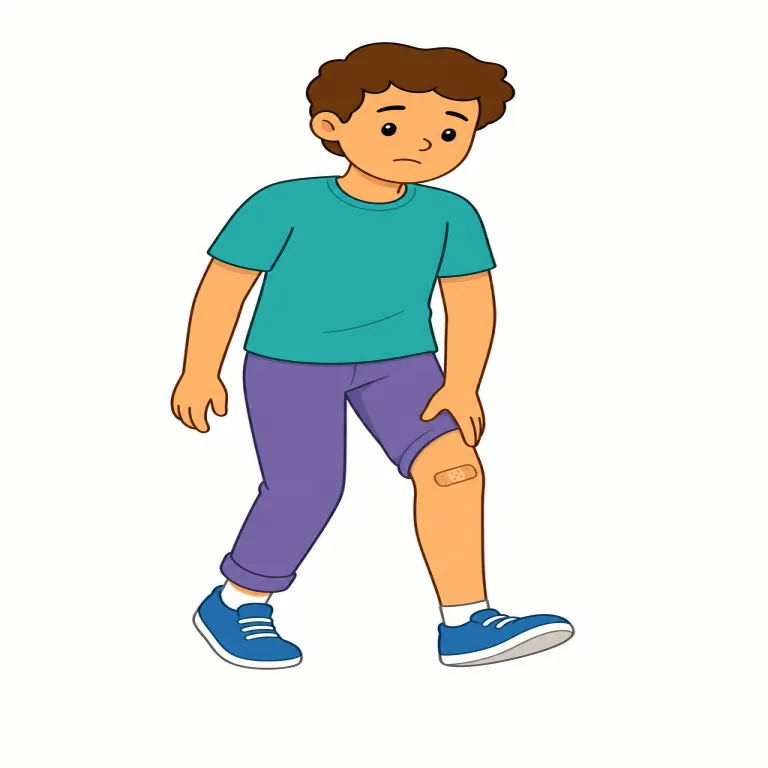
足を引きずる
解説 Definition
けがや痛みなどのため、歩くのに支障がある状態。足を引きずったり、片足をかばったりしながら歩く様子を表します。
To limp means to walk unevenly, usually because of pain or weakness in one leg or foot. The word is commonly used when someone is injured, tired, or physically struggling to walk normally.
覚え方のコツ Memory Tip
"limp"は、まず "walk" の一種だが "普通には歩けない" 動詞だと押さえると覚えやすいです。run や jump のような能動的な動きではなく、痛みやけがのせいで片足をかばって進む場面に結びつけるのがコツ。"He limped home." "limp away" のように、事故や疲労の後の描写でよく出ます。似た語では、"stagger" はふらつく、"shuffle" は足をすって進むで、"limp" は特に足の痛みが原因になりやすい点が目印。形容詞の limp「ぐにゃっとした」と混同しそうなら、どちらも「力が入らずしっかり動けない」という感覚でまとめると残ります。
Limp is a special kind of walk: you can move, but not normally. Picture someone with a sore leg limping home or limping away after an injury. If you mix it up with stagger or shuffle, remember limp usually suggests pain in the leg or foot.
例文
After the injury, he had to limp.
その怪我の後、彼は足を引きずって歩くしかありませんでした。
The wounded soldier limped back to the camp.
その負傷した兵士は足を引きずってキャンプに戻った。
She limped across the room because of her sore ankle.
彼女は足首が痛かったため、足を引きずって部屋を横切った。
ぐったりしている
(意味 2)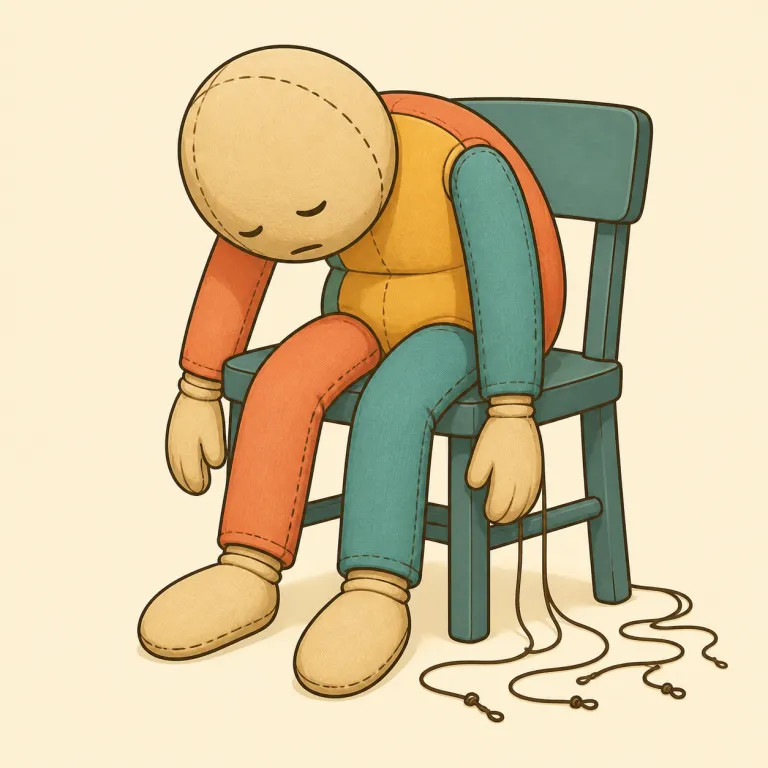
解説 Definition
体や物の力・張りが抜けて、ぐったりしたり、だらりと垂れたりしている状態を表す形容詞です。人の体、手、布、髪、しおれた野菜などに使われ、支えや張りがなく弱々しく見える感じを表します。
If something is limp, it is soft, weak, and not firm or active. It can describe a body, part of the body, cloth, or even a person's energy or spirit. It often suggests tiredness, weakness, or a lack of strength.
覚え方のコツ Memory Tip
limp は「張り・芯がなく、力が抜けている」を中心イメージにすると覚えやすい。反対は stiff で、ぴんと張っていないものが limp。人なら go limp で気が抜けたようにぐったり、手や布なら limp handshake / limp cloth でだらっとしている感じ、野菜なら limp lettuce でしおれた状態。単なる tired より、見た目にも支えがなくへなっとしているニュアンスが強い。なお limp には「足を引きずって歩く」という動詞もあるので、品詞と文脈を一緒に覚えると混同しにくい。
Think of the opposite: `stiff` is firm and straight, but `limp` has no strength or support. It often appears with things that hang or droop, like a `limp handshake` or `limp lettuce`. Also remember there is a verb `to limp`, so keep the adjective with that soft, weak image.
例文
After the long hike, her legs felt limp.
長いハイキングの後、彼女は足に力が入らなかった。
The old lettuce was limp.
古くなったレタスはしなしなだった。
His hand went limp from holding the heavy bag.
重いバッグを持っていて、彼の手から力が抜けた。
えいたんごクイズでの正答率
この語をはじめて出題された 35人 のうち 30人 が正解しました(86%)。
えいたんごクイズの回答から集計した独自データです。1人につき最初に出題されたときの1回だけを数えており、復習や2回目以降の回答、「わからない」と時間切れは含みません。 集計時点は 2026年9月19日 です。
limp の類義語・関連語
類義語
対義語
派生語
紛らわしい語
limp の語源・成り立ち Etymology
limp はゲルマン系の語で、英語では中英語 lympen や古英語 lemphealt「足なえの・びっこの」に連なると考えられます。語源の核は「まっすぐ進めず、ぶらつく」感覚で、そこから「足を引きずる」に発展しました。関連語は limping, limpness です。
Limp is a Germanic word, linked with Middle English lympen and older English forms connected with lameness. Its core idea is not moving straight or firmly, but hanging unevenly or moving weakly. From that, it came to mean walking with difficulty, especially by dragging one leg. Related forms include limping and limpness.
同じレベルの語彙をもっと
英検準1級の一覧へ →外部辞書で調べる
この英単語をクイズで覚えよう