
硬い、こわばった
解説 Definition
物が曲がりにくいほど硬い状態や、筋肉・関節が緊張して体が思うように動かない様子を表す。布・紙・表情・首や肩など、物にも体にも広く使える。単に硬度が高いだけでなく、動きの悪さや柔軟性のなさが感じられる言い方。
Hard or firm in a way that prevents easy bending or movement. It can describe materials that lack flexibility or muscles and joints that feel tight and difficult to move.
覚え方のコツ Memory Tip
まず「硬い」で覚えると広がります。hardが物そのものの硬さなら、stiffは「硬くてしなやかさがない」感じ。だからstiff smileは笑顔が不自然、stiff bodyは体がこわばる、stiff rulesは融通が利かない規則。人についてはpoliteより一段よそよそしく、strictと違って「厳しい」より「ぎこちない・堅苦しい」に重心がある、と整理すると残りやすい。
Think of something so firm that it cannot bend or move freely. Hard emphasizes hardness itself, while stiff often emphasizes a lack of flexibility, as in a stiff neck or stiff cardboard.
例文
The cardboard was too stiff to fold easily.
その厚紙は硬すぎて簡単には折れなかった。
My neck feels stiff after the long flight.
長時間のフライトのあとで首がこわばっている。
The new jeans are still a bit stiff.
その新しいジーンズはまだ少し硬い。
堅苦しい、ぎこちない
(意味 2)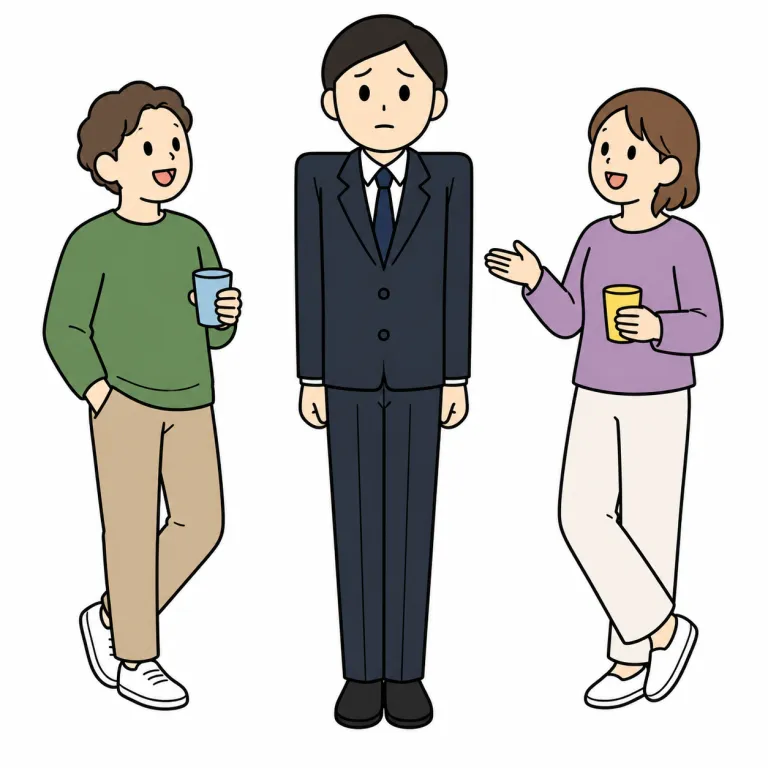
解説 Definition
態度や話し方、動きなどが自然でなく、よそよそしく硬直して見えることを表す形容詞。人の姿勢や表情なら緊張してぎこちない様子、規則や雰囲気なら融通が利かず堅苦しい感じをいう。形式ばって親しみに欠ける印象を与えることも多い。
Stiff means not easy to bend, move, or relax. It can describe muscles, materials, movements, or a person's manner. When used about people or situations, it often suggests formality, awkwardness, or a lack of natural ease.
例文
His stiff posture made him look uncomfortable at the party.
彼は姿勢がぎこちなく、パーティーで居心地が悪そうに見えた。
The conversation was stiff at first, but it soon became friendly.
会話は最初ぎこちなかったが、すぐに打ち解けた。
The atmosphere in the office was stiff and formal.
その職場の雰囲気は堅苦しく、形式ばっていた。
厳しい、激しい
(意味 3)
解説 Definition
条件・競争・罰則・要求などが楽ではなく、手加減がない厳しさを表す。試験が難しい、相手が手ごわい、罰金が高いといった場面でよく使う。人にとって負担が大きく、簡単には乗り切れないという響きがある。
Severe, demanding, or difficult to overcome, especially when describing competition, requirements, penalties, or tests. It suggests that little allowance is made and that the burden is considerable.
覚え方のコツ Memory Tip
まず「硬い」で覚え、その硬さが条件や競争に移った形として整理すると残りやすいです。stiff competition は相手が硬い壁のように手ごわい競争、stiff penalties は簡単に曲げられない厳しい罰則。strict が人や規則の厳格さなら、stiff は負担が大きく、手加減がなくて乗り越えにくい感じです。stiff smile の「ぎこちない」意味もありますが、この行では「硬く立ちはだかるほど厳しい」と覚えます。
Begin with the physical idea of something hard and unbending, then apply it to a difficult condition or challenge. In phrases such as "stiff competition" and "stiff penalties," the difficulty stands like a firm barrier that does not give way easily.
例文
They faced stiff competition from larger companies.
彼らはより大きな会社との厳しい競争に直面した。
The new law introduced stiff penalties for fraud.
その新しい法律は詐欺に対する厳しい罰則を導入した。
We had to meet stiff requirements to get the loan.
融資を受けるには厳しい条件を満たさなければならなかった。
stiff の類義語・関連語
stiff の語源・成り立ち Etymology
stiffは古英語stif「硬い・動かない」にさかのぼり、ゲルマン系の「固く張る」感覚を受け継ぎます。stiffenやstiffnessも同語根で、ただ硬いのでなく「しなやかさを失うほど張っている」からこの意味だと見える語です。
The word comes from Old English stif, meaning "hard" or "motionless," and preserves a Germanic sense of being firmly stretched or set. Stiffen and stiffness share the same root.
同じレベルの語彙をもっと
外部辞書で調べる
この英単語をクイズで覚えよう