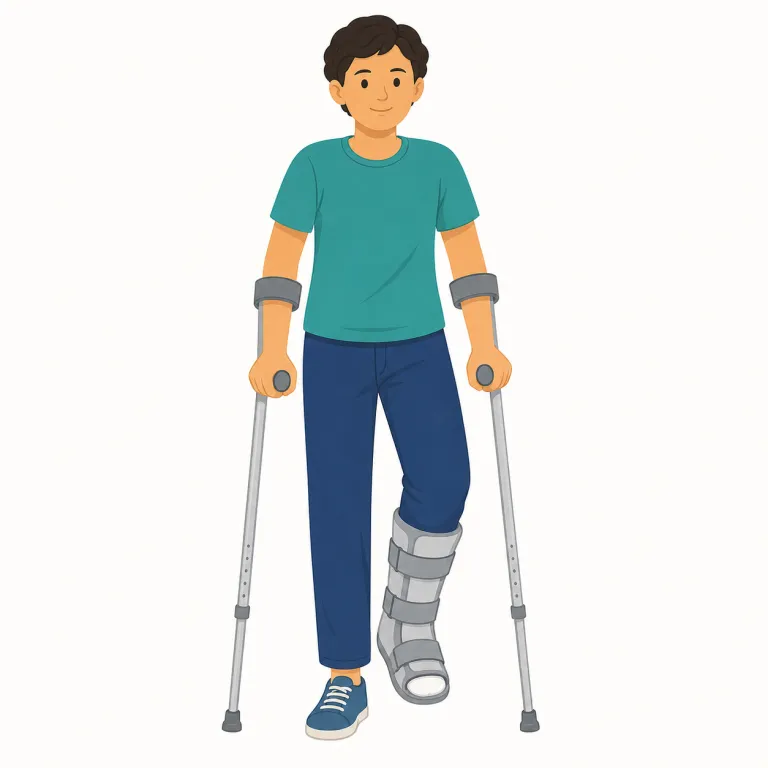
lame
lame は英検準1級・TOEIC 860・TOEFL 80・IELTS 6.5レベルの英単語で、「足が不自由な、ださい」という意味があります。発音記号は /leɪm/ です。
意味一覧 (2件)
足が不自由な
解説 Definition
けがや病気のため脚が正常に機能しない状態。足を引きずるように歩く様子を表す。
Lame can mean unable to walk normally because of an injury or physical problem, especially in older or formal use. In informal English, it can also mean weak, disappointing, or not interesting. This informal meaning is common, but it can sound rude in some situations.
覚え方のコツ Memory Tip
lame はまず「脚(leg)がうまく動けず、limp(足を引きずって歩く)する状態」とセットで覚えると定着しやすい。a lame horse, a lame leg, go lame のように“脚・歩行・動きの不自由さ”の文脈で出やすい。disabled が広く「障害のある」を指すのに対し、lame は特に脚や歩き方に焦点がある。lamely, lameness も同じ核で見抜ける。口語では「イケてない、説得力が弱い」という比喩義もあるので、身体の意味かどうかは文脈で判断する。
Connect `lame` with legs, walking, and the word `limp`. That gives you a physical image: a person or animal who cannot walk normally. It often appears in phrases like `a lame horse` or `go lame`, and later you can notice its figurative meaning in informal English.
例文
The injured soldier walked with a lame gait.
その負傷した兵士は足を引きずるように歩いた。
After the accident, he became lame and needed a cane.
その事故の後、彼は足が不自由になり杖が必要になった。
The horse was lame and could not race.
その馬は足が不自由で走ることができなかった。
えいたんごクイズでの正答率
この語をはじめて出題された 30人 のうち 11人 が正解しました(37%)。
えいたんごクイズの回答から集計した独自データです。1人につき最初に出題されたときの1回だけを数えており、復習や2回目以降の回答、「わからない」と時間切れは含みません。 集計時点は 2026年9月19日 です。
ださい
(意味 2)
解説 Definition
口語で、物・企画・言い訳・人のふるまいなどが格好悪い、気が利かない、期待外れだと感じるときに使います。強い侮りよりも、軽くばかにしたり失望したりする響きがあり、くだけた会話でよく使われます。
Unimpressive, uncool, or disappointing because something seems weak or lacks imagination. This informal adjective expresses dismissive criticism of things such as jokes, plans, excuses, or behavior.
覚え方のコツ Memory Tip
lame はくだけた会話で、冗談、企画、言い訳などを「ださい、ぱっとしない、期待外れだ」と軽くけなす形容詞です。cool「いけている」の反対側に置くと感覚をつかみやすく、That joke was lame.「その冗談、寒かった」、a lame excuse「しょぼい言い訳」がよく使われます。bad よりも、「迫力や工夫が足りず、がっかり」という評価を込めやすいのが特徴です。人に直接言うと失礼になり得る口語なので、友人同士の軽い不満を述べる場面に結び付けて覚えると混同しにくいです。
Place lame at the opposite end from cool when judging a joke or a plan. Remember 'That joke was lame' as a disappointed reaction to something that fails to impress. Using it directly about a person can sound rude.
例文
That joke was really lame.
そのジョークは本当にださかった。
The school dance was pretty lame.
学校のダンスパーティーはかなりださかった。
His excuse for being late sounded lame.
彼の遅刻の言い訳はしらけるものだった。
lame の類義語・関連語
対義語
紛らわしい語
lame の語源・成り立ち Etymology
lame は古英語 lama に由来するゲルマン系の語で、特別な接辞はなく語幹が『手足が弱い、うまく動かない』を表しました。lameness や lamely に同じ核が残り、動きが欠ける感覚から『足が不自由な』、さらに比喩的な『迫力のない』へ広がった流れが見えます。
Lame comes from Old English lama, from a Germanic root meaning weak in the limbs or unable to move properly. It first described physical difficulty in walking or movement. Later it also developed figurative uses for something weak, poor, or unconvincing; lameness and lamely are related words.
同じレベルの語彙をもっと
英検準1級の一覧へ →外部辞書で調べる
この英単語をクイズで覚えよう