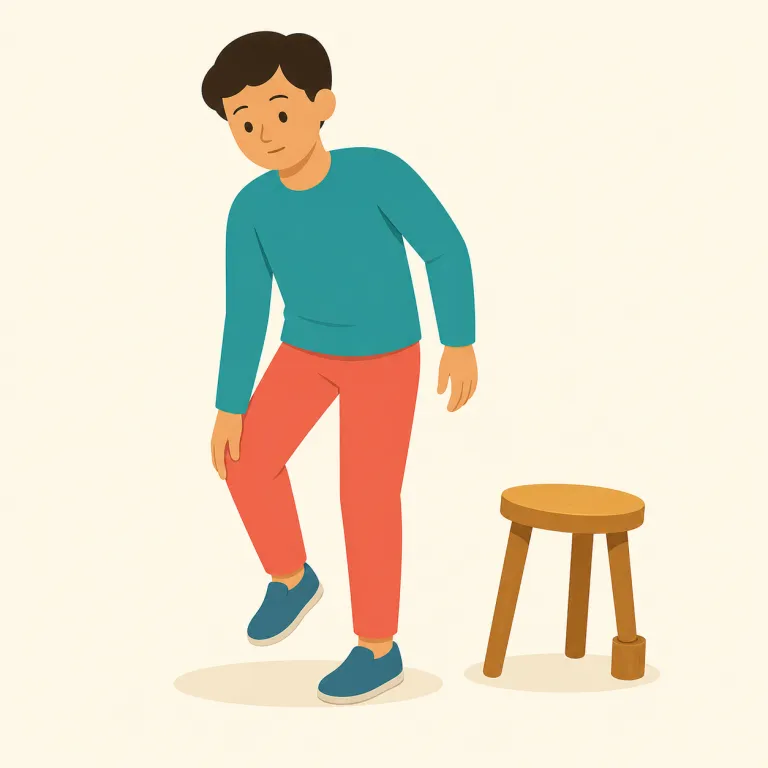
跛行・説得力の欠如
解説 Definition
足が不自由で正常に歩行ができない状態を指す。転じて、主張や説明が説得力に欠け、弱々しい様子を表すこともある。
Lameness can mean difficulty in walking because of a weak, injured, or disabled leg or foot. It can also mean a lack of strength, energy, or effectiveness in an idea, excuse, or performance. The second meaning is common in informal criticism.
覚え方のコツ Memory Tip
まず形で覚えると残りやすい語です。lame は形容詞で「足が不自由な」「弱々しい」「説得力のない」、そこに -ness が付いて「そういう性質・状態」になります。つまり lameness は「lameさ」。物理的には歩き方の不自由さ、比喩では a lame excuse や a lame argument のように「言い訳・議論の弱さ」に広がります。slow や weakness ではなく、“どこか欠けていてうまく機能しない感じ”が核だと押さえると、跛行と説得力の欠如の両方が一本でつながります。
This is just `lame` + `-ness`, so it means the state or quality of being `lame`. That helps you connect both uses: physical difficulty in walking and the weaker sense in `a lame excuse`. Think of something that does not work properly or lacks strength.
例文
The horse's lameness prevented it from racing.
その馬は跛行のためレースに出られなかった。
After the injury, he had to deal with lameness for months.
けがの後、彼は数か月間、歩行困難に悩まされた。
The politician's excuse was criticized for its lameness.
その政治家の言い訳は説得力がないと批判された。
lameness の類義語・関連語
派生語
lameness の語源・成り立ち Etymology
古英語 lame「足が不自由な、弱った」に抽象名詞語尾 -ness が付いた語で、さらに印欧祖語 *lem-「壊れる」にさかのぼります。lame や lamely も同根で、単なる遅さでなく「どこかが壊れてうまく働かない状態」から説得力の欠如にも広がりました。
Lameness is built from lame and the noun suffix -ness. Lame comes from Old English and can be traced back to an Indo-European root meaning "broken" or "damaged." That older idea of something not working properly helped the word grow from physical weakness to broader senses such as weakness in logic or style.
同じレベルの英単語をもっと
外部辞書で調べる
この単語を英単語クイズで覚えよう