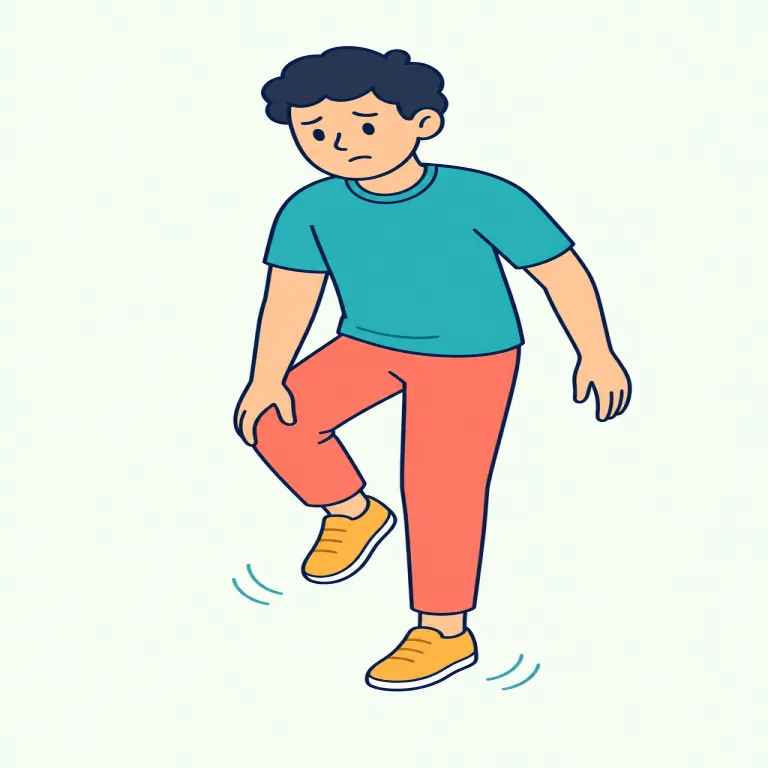
妨げる、機能不全にする
verb 動詞計画・組織・経済などの活動や能力を大きく制限し、十分に機能できなくすることを表す。物理的に足を縛る意味から生じた比喩用法で、受け身の be hobbled by の形でもよく使われる。
足を引きずりながら不自由に歩くこと。また、動物の足を縛って動きを制限すること。
To hobble means to walk with difficulty, often because of pain, weakness, or injury to the leg or foot. It can also mean to limit someone's movement or ability. The physical meaning is more common in everyday use.
hobble は、まず「ぎこちなく動く」感じでまとめて覚えると定着しやすい。hobble along で「足を引きずって進む」、injury や old age と一緒に出やすい。一方で動物の脚を縛って自由に動けなくする意味もあり、どちらも「動きが不自由になる」でつながる。hobble a horse のように使える。似た語 limp は特に片足をかばって歩く感じで、hobble のほうが全体に不自由でよろよろした印象。比喩で progress/economy を「妨げる」意味にも広がる。
Think of slow, difficult movement: `hobble along` is a common phrase. It is often used for walking with pain, age, or weakness, and it feels more awkward and helpless than `limp`. The other meaning, tying an animal’s legs, has the same core idea: movement is limited.
The injured soldier had to hobble back to camp on a makeshift crutch.
負傷した兵士は即席の松葉杖で足を引きずりながら陣地に戻らなければならなかった。
After spraining her ankle, she could only hobble around the house.
足首を捻挫した後、彼女は家の中を足を引きずって歩くことしかできなかった。
The rancher used a rope to hobble the horse so it wouldn't wander off.
牧場主は馬が逃げないように、ロープで足を縛った。
文脈によって、次の意味でも使われます。
計画・組織・経済などの活動や能力を大きく制限し、十分に機能できなくすることを表す。物理的に足を縛る意味から生じた比喩用法で、受け身の be hobbled by の形でもよく使われる。
「hobble」は中英語 hobblen にさかのぼり、語感的には hop「ぴょんと跳ぶ」と近いゲルマン系の動きの語と考えられます。細かな語形成は不確実ですが、ぎこちなく小刻みに動く感覚が核で、hop や hopple と並べると「足を引きずる」意味が自然に見えてきます。
Hobble goes back to Middle English hobblen. Its deeper origin is uncertain, but it seems connected with Germanic movement words like hop, which suggest short, uneven motion. That idea of awkward little steps led to the meaning "to limp" or "to move with difficulty," and it is also related in form to hopple.
この英単語をクイズで覚えよう