妨げる、制約する
verb 動詞人・組織・経済などの活動や発展を著しく妨げ、自由に動けない状態にすること。hobbling growth のように目的語を取り、単なる遅延よりも能力や選択肢を強く制限する含みがある。
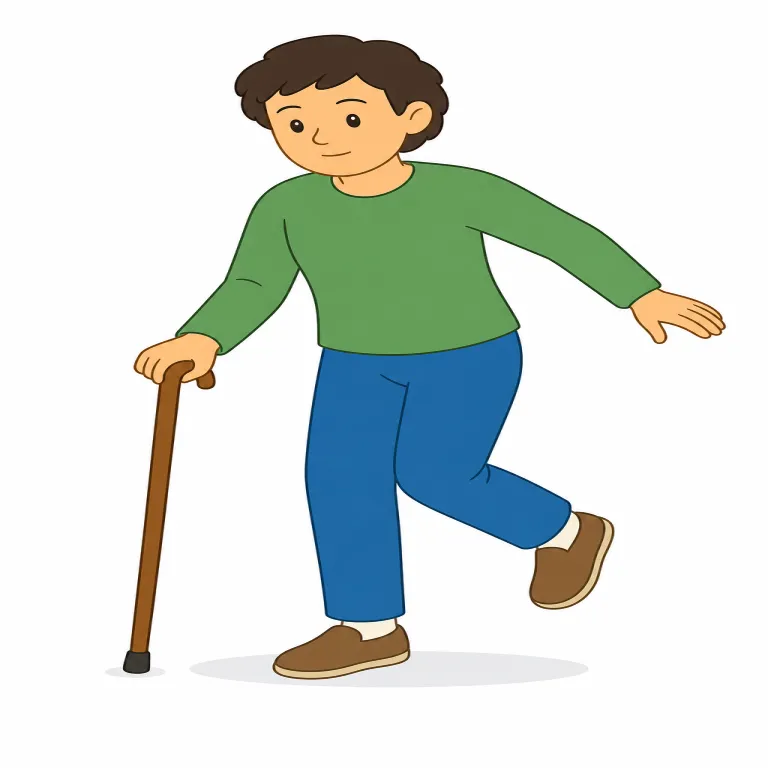
足を引きずりながら不安定に歩くこと。怪我や障害によってよろめきながら進むさま。
Hobbling means walking with difficulty, usually because of pain, injury, or weakness in the legs or feet. It describes slow, uneven movement and is often used for people or animals. In a more figurative sense, it can also mean seriously limiting someone's ability to act or succeed.
hobbling は、まず wobble(ぐらつく)と limp(足を引きずる)をセットで思い出すと定着しやすいです。hobble はその中間で、「足に問題があって、体も安定しないまま進む」感じ。-ing の hobbling なら「よろよろ歩いている最中」。hobble along, hobble home のように、けがや痛みのあとで何とか進む場面と結びつけると残ります。stumble が一瞬よろけるのに対し、hobbling は不自由な歩き方がしばらく続く語です。
Connect `hobbling` with other unsteady movement words like `wobble` and `stagger`. It helps to picture someone after an injury or long run, moving with difficulty for several steps, not just one moment. That contrast makes it stick: `stumble` is one trip, but `hobbling` is a weak, uneven way of walking.
The injured man was hobbling down the street with a makeshift crutch.
怪我をした男は即席の松葉杖を使って通りをよろよろと歩いていた。
Near the end of the marathon, runners were hobbling toward the finish line in exhaustion.
マラソンの終盤、ランナーたちは疲労困憊でゴールに向かってよろよろと歩いていた。
She was hobbling around the house after spraining her ankle during practice.
練習中に足首を捻挫して、彼女は家の中をよろよろと歩き回っていた。
文脈によって、次の意味でも使われます。
人・組織・経済などの活動や発展を著しく妨げ、自由に動けない状態にすること。hobbling growth のように目的語を取り、単なる遅延よりも能力や選択肢を強く制限する含みがある。
hobbling は hobble「足を引きずって歩く」に -ing が付いた形で、hobble は中英語 hoblen にさかのぼる擬態的な語です。hobbled や hobble-skirt も同根で、もともと歩みを妨げる語感から「よろよろ」が生まれたと考えると覚えやすいです。
Hobbling comes from hobble with the ending -ing. Hobble goes back to Middle English hoblen and is probably imitative in origin, echoing the uneven sound or movement of awkward walking. From that physical sense of limping or moving with difficulty, it also developed the idea of restricting movement.
この英単語をクイズで覚えよう