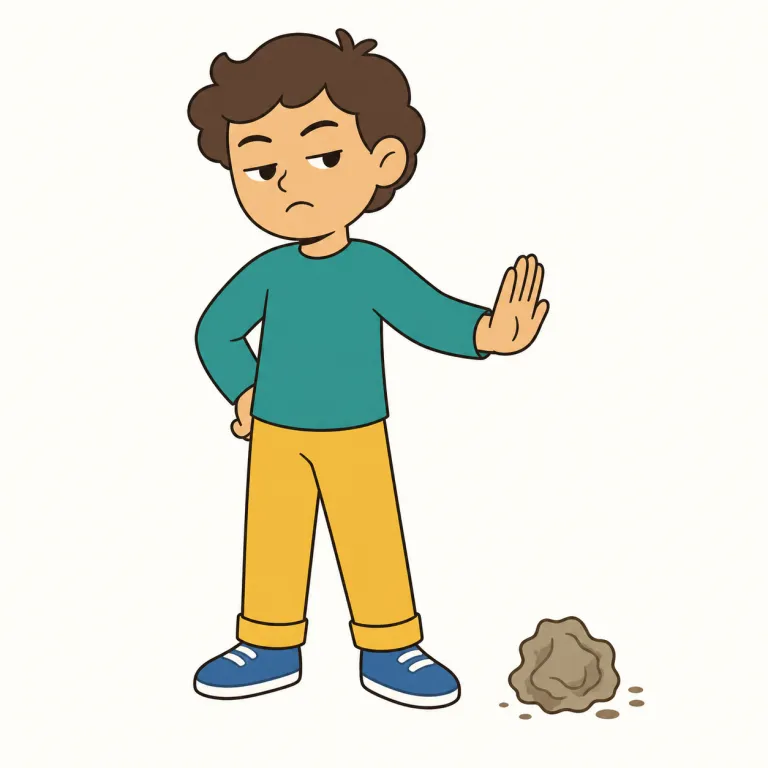
despise
despise は英検準1級・TOEIC 860・TOEFL 80・IELTS 6.5レベルの英単語で、「軽蔑する」という意味があります。発音記号は /dɪˈspaɪz/ です。
軽蔑する
解説 Definition
「despise」は、誰かまたは何かを強く軽蔑する、ひどく嫌うという意味の動詞です。単に嫌いというレベルを超えた、強い嫌悪や侮蔑の感情を表します。道徳的に許せないと感じる行為や人物に対してよく使われます。
To despise someone or something means to feel very strong dislike and a lack of respect for them. It is stronger than simply not liking something. This word is often used for people, behavior, or ideas that seem shameful or unacceptable.
覚え方のコツ Memory Tip
dislike や hate と並べて覚えると定着しやすい。dislike は単に嫌い、hate は強く嫌う、despise はそこに「見下す・軽蔑する」感覚まで入る。人そのものだけでなく、hypocrisy(偽善)や cruelty(残酷さ)、corruption(腐敗)のような態度・性質にもよく使う。I despise liars. / She despises corruption. の形で覚えると使い所が見えやすい。despite と綴りが近いので混同注意。
Remember it next to `dislike` and `hate`, but make it stronger in a different way: `despise` includes looking down on something. It often goes with things like `lies`, `cruelty`, or `corruption`, not only with people. Be careful not to confuse it with `despite`, which looks similar.
例文
She despised dishonesty and always valued the truth.
彼女は不誠実さを軽蔑し、常に真実を大切にしていました。
He despised bullies for hurting weaker children.
彼は弱い子を傷つけるいじめっ子を軽蔑していました。
Everyone in town despised the cruel man.
町のみんながその残酷な男を軽蔑していました。
えいたんごクイズでの正答率
この語をはじめて出題された 36人 のうち 35人 が正解しました(97%)。
えいたんごクイズの回答から集計した独自データです。1人につき最初に出題されたときの1回だけを数えており、復習や2回目以降の回答、「わからない」と時間切れは含みません。 集計時点は 2026年9月19日 です。
despise の類義語・関連語
類義語
対義語
despise の語源・成り立ち Etymology
despise は古フランス語 despire を経て、ラテン語 despicere『見下ろす』に由来します。de-『下へ』+ specere『見る』から成り、相手を文字どおり“下に見る”ことが、そのまま軽蔑する意味になりました。関連語に inspect、spectator があります。
Despise came into English through Old French, from Latin despicere, meaning "to look down on." It is made from roots meaning "down" and "to look." The literal image of looking down at someone became the emotional sense of treating them with contempt; it shares its root with words like inspect and spectator.
同じレベルの語彙をもっと
英検準1級の一覧へ →外部辞書で調べる
この英単語をクイズで覚えよう