いいねを取り消す
verb 動詞SNSなどで、以前付けた「いいね」や好意を示す反応を取り消すことを表す。他動詞として unlike a post や unlike a page のように使い、比較を表す前置詞用法とは異なる。
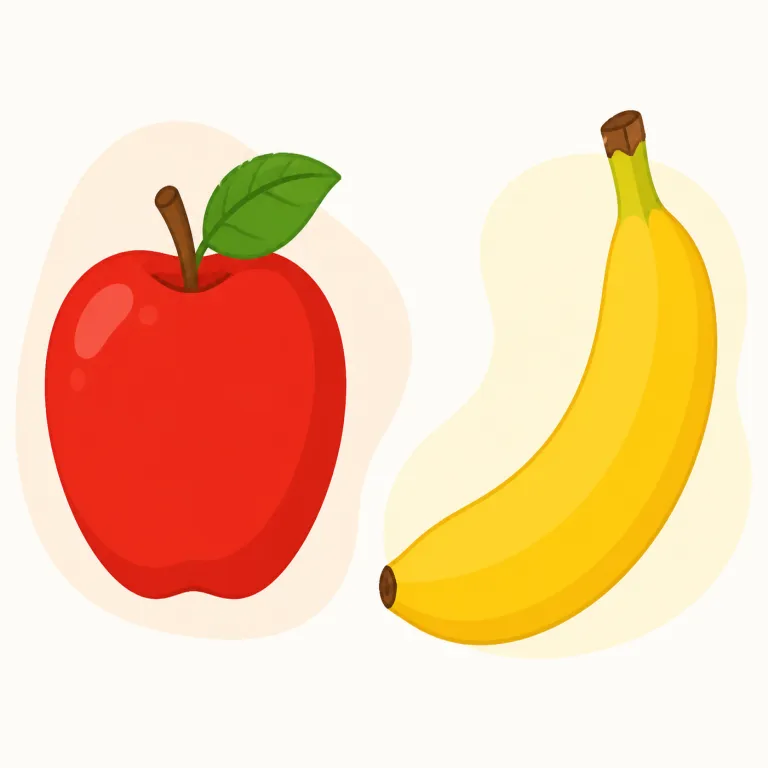
unlike は英検準2級・TOEIC 600レベルの英単語で、「違って」という意味があります。発音記号は /ʌnˈlaɪk/ です。
「unlike」は二つのものを比較して相違点を示すときに使う前置詞です。「~とは違って」「~と異なり」という意味で、対比を強調する際に文頭や文中で用いられます。性質や状況が対照的であることを説明するのに便利な表現です。
Unlike is used to show that one thing is different from another. It introduces a comparison and points to a contrast. It is usually followed by a noun, pronoun, or noun phrase.
核は like です。like が「似ている・同じ感じ」だと分かれば、un- が付いた unlike は「似ていない→違って」と自然に取れます。覚えるときは unlike A, B ... の形で、「Aとは違ってBは…」という対比の出だしごと頭に入れるのが有効です。different from に近いですが、unlike は比較の入口として文頭でもよく使われます。基本は unlike の後ろに名詞・代名詞を置く、とセットで覚えると混乱しにくいです。
Focus on the base word `like`. If `like` suggests similarity, `unlike` means not similar, so it naturally introduces contrast. A strong pattern is `Unlike A, B ...`, which is common at the start of a sentence. Also remember that `unlike` is usually followed by a noun or pronoun, not a full clause.
Unlike me, Tom likes milk.
私と違って、トムは牛乳が好きです。
Unlike dogs, cats like quiet rooms.
犬と違って、猫は静かな部屋が好きです。
Unlike today, yesterday was cold.
今日と違って、昨日は寒かったです。
文脈によって、次の意味でも使われます。
SNSなどで、以前付けた「いいね」や好意を示す反応を取り消すことを表す。他動詞として unlike a post や unlike a page のように使い、比較を表す前置詞用法とは異なる。
古英語 un-(否定)+ lic(似た、同様の)から成る。like は古ノルド語 líkr(似ている)に由来し、その否定形で「~と似ていない、~と違って」を表す。関連語に unlikely(ありそうにない)、likeness(類似)がある。
Unlike is made from un- "not" and like. Like comes from an old Germanic root meaning "similar" or "having the same form," seen in Old Norse likr. So unlike originally meant simply "not similar." From there it developed the common sense of "different from." Related words include unlikely and likeness.
この英単語をクイズで覚えよう