care for
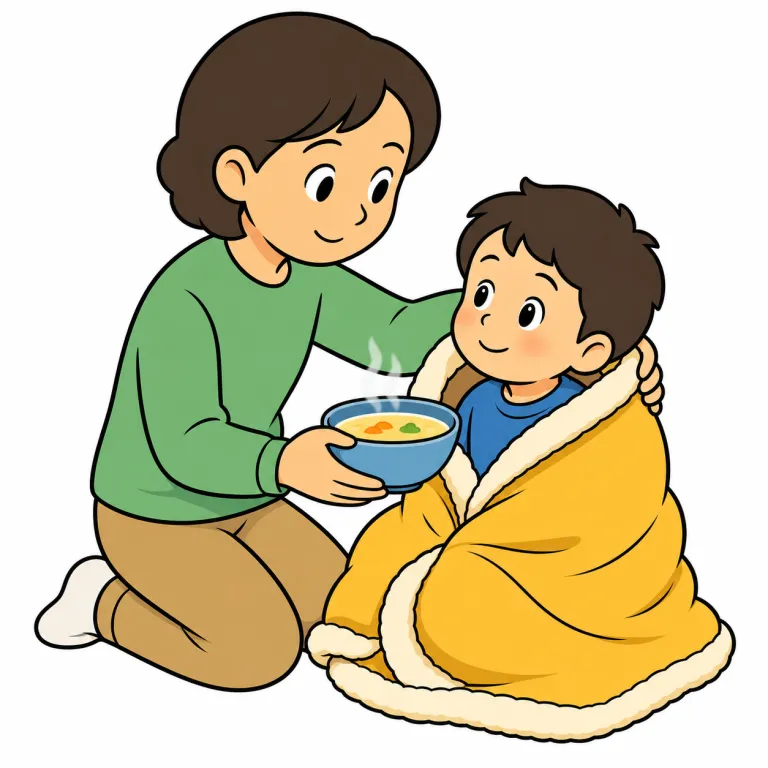
care for は英検3級レベルの英熟語で、「~の面倒を見る、好む、欲しいと思う」という意味があります。発音記号は /ˈkɛr ˈfɔːr/ です。
~の面倒を見る
解説 Definition
care for は、人や動物の健康や安全に気を配り、食事や生活の世話をすることを表す句動詞です。家族、高齢者、子ども、ペットなどを継続的に世話する場面でよく使われ、単に見守るだけでなく、必要な支援を与える含みがあります。
Care for means to look after someone or something and help keep them safe, healthy, or comfortable. It is often used for children, older people, sick people, animals, or plants. In some contexts, it can also mean to like something, but that meaning is different.
覚え方のコツ Memory Tip
care が「気にかける」と分かれば、care for は「相手のために気を配り続ける」→「面倒を見る」と自然につながる。単発で助ける help ではなく、食事・健康・安全まで含む継続的な支えを思い浮かべると定着しやすい。care for a child / elderly parent / patient / pet の形が頻出で、家庭・介護・看病の場面と相性がよい。似た look after より、care for のほうが実際の世話やケアの中身を感じやすい。一方で「好む」の意味もあるので、文脈で見分けること。
Start from `care` = giving attention and concern. `Care for` means you keep giving that care over time, so it fits children, patients, pets, or elderly parents. It is close to `look after`, but `care for` feels more focused on real support and daily care.
例文
I care for my little sister.
私は妹の面倒を見ます。
She cares for her sick dog.
彼女は病気の犬の面倒を見ます。
We care for the baby.
私たちは赤ちゃんの面倒を見ます。
好む
(意味 2)
解説 Definition
人や物事を「好きだ」「好ましいと感じる」という意味で使う。likeよりやや硬く、否定文や疑問文で好みを控えめに述べるときによく出る。食べ物、音楽、場所など幅広く使えるが、世話をする意味とは別。
To like someone or something, or find them pleasant. This slightly formal expression often appears in negative statements or questions about personal tastes.
覚え方のコツ Memory Tip
care が「心を向ける」と分かれば、care for は「その対象に心が向く」→「好む」とつながります。特に I don’t care for spicy food. のように、否定文で「辛い物にはあまり心が向かない」→「あまり好きではない」と覚えると定着しやすいです。care for a patient の「世話をする」は相手のために気を配る用法。音楽・食べ物・場所などが目的語なら、世話ではなく好みを表すことが多いです。
Think of care as directing your feelings toward something. In I don't care for spicy food, imagine your interest turning away from the food, helping you remember a restrained way to express dislike.
例文
She doesn't really care for classical music.
彼女はクラシック音楽があまり好きではない。
I don't care for spicy food.
私は辛い食べ物はあまり好きではない。
He doesn't care for crowded places.
彼は人混みの多い場所を好まない。
欲しいと思う
(意味 3)
解説 Definition
「欲しい」「いただきたい」のように、何かを望む気持ちを表す。特にWould you care for ...?の形で、飲み物や食べ物などを丁寧に勧める場面でよく使う。好みを表す意味とは別で、その場で必要かどうかをたずねる語感が強い。
To want something that is being offered on a particular occasion. It is especially common in polite questions offering food, drinks, or other available things.
覚え方のコツ Memory Tip
care が「心を向ける」と分かれば、Would you care for ...? は「それに心が向きますか」→「欲しいですか、いかがですか」と丁寧に聞く表現になります。Would you care for some coffee? なら、コーヒーを世話するのではなく「コーヒーを望みますか」。care for a child の「世話をする」とは目的語と場面で切り分け、飲み物・席・食べ物をすすめる場面では「欲しいと思う」と覚えると自然です。
Think of your interest turning toward something a host offers you. Learn Would you care for some coffee? as a polite pattern for asking whether someone wants what is available.
例文
Would you care for some coffee?
コーヒーはいかがですか。
Would you care for a window seat? It's available.
窓際の席はいかがですか。空いています。
I don't care for dessert tonight.
今夜はデザートはいりません。
care for の類義語・関連語
対義語
派生語
紛らわしい語
care for の語源・成り立ち Etymology
care は古英語 caru / cearu「心配・気遣い」、for は古英語 for「…のために」に由来する句動詞です。もともと「相手のために心を向ける」という感覚から、「世話をする」「大事に思う」へ発展しました。関連語の careful、careless にも同じ care の核があります。
This phrasal verb combines care and for. Care comes from Old English caru or cearu, meaning "concern" or "anxious attention," and for comes from Old English for, meaning "for" or "on behalf of." Together they developed the sense of turning concern toward someone, which later grew into ideas like looking after someone or feeling affection.
同じレベルの語彙をもっと
英検3級の一覧へ →外部辞書で調べる
この英熟語をクイズで覚えよう