abandon
abandon は英検準2級・TOEIC 730・TOEFL 60・IELTS 5.5レベルの英単語で、「放棄する、見捨てる」という意味があります。発音記号は /əˈbændən/ です。
意味一覧 (2件)
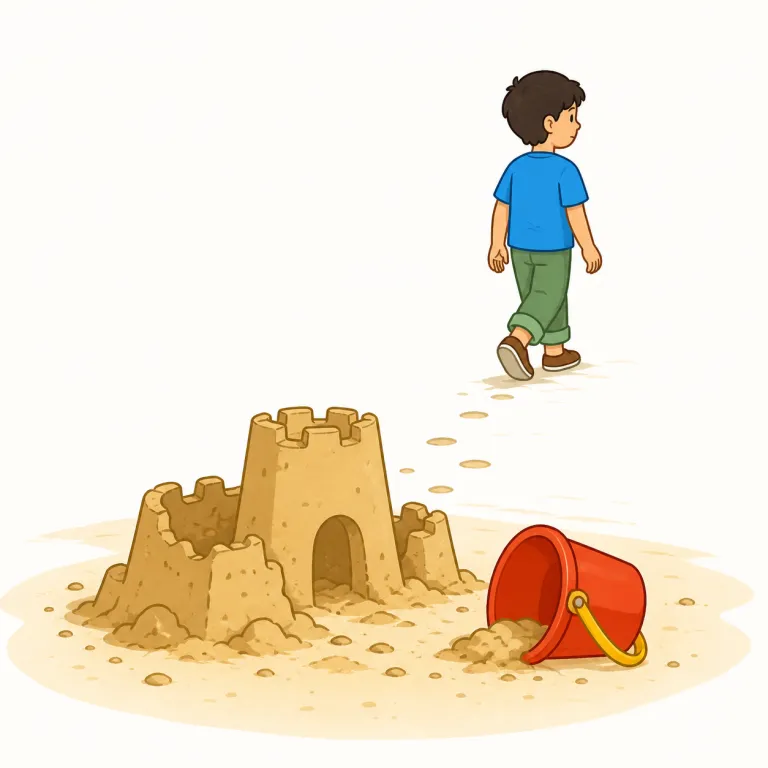
放棄する
解説 Definition
何かを捨てたり、手放したり、やめてしまったりすることです。計画や希望、責任などを放棄することを意味します。
To abandon something means to leave it behind, give it up, or stop supporting it completely. It can be used for objects, plans, places, or people. The word often suggests that something is left with no intention of returning to it.
覚え方のコツ Memory Tip
abandon は、まず簡単な句動詞の give up や leave を土台にすると覚えやすい語です。単に「やめる」より強く、「見捨てる・放り出す」感じがあり、plan / hope / responsibility / ship などを abandon する形でよく出ます。quit が自分の仕事や習慣をやめる語、cancel が予定を取り消す語なのに対し、abandon は対象を置き去りにする響き。abandoned house のように形容詞で「見捨てられた」も重要です。
Remember `abandon` as stronger than just `leave` or `give up`. It often carries the feeling of leaving something behind completely, as in `abandon a plan`, `abandon hope`, or `abandon ship`. Also connect it with `abandoned house`, which helps you remember the adjective form too.
例文
He decided to abandon his old business plans.
彼は古いビジネス計画を放棄することに決めました。
The family had to abandon their home due to the flood.
家族は洪水のため、家を捨てて避難しなければなりませんでした。
She abandoned her dream of becoming a professional dancer.
彼女はプロのダンサーになる夢を諦めました。
えいたんごクイズでの正答率
この語をはじめて出題された 64人 のうち 57人 が正解しました(89%)。
えいたんごクイズの回答から集計した独自データです。1人につき最初に出題されたときの1回だけを数えており、復習や2回目以降の回答、「わからない」と時間切れは含みません。 集計時点は 2026年9月19日 です。
見捨てる
(意味 2)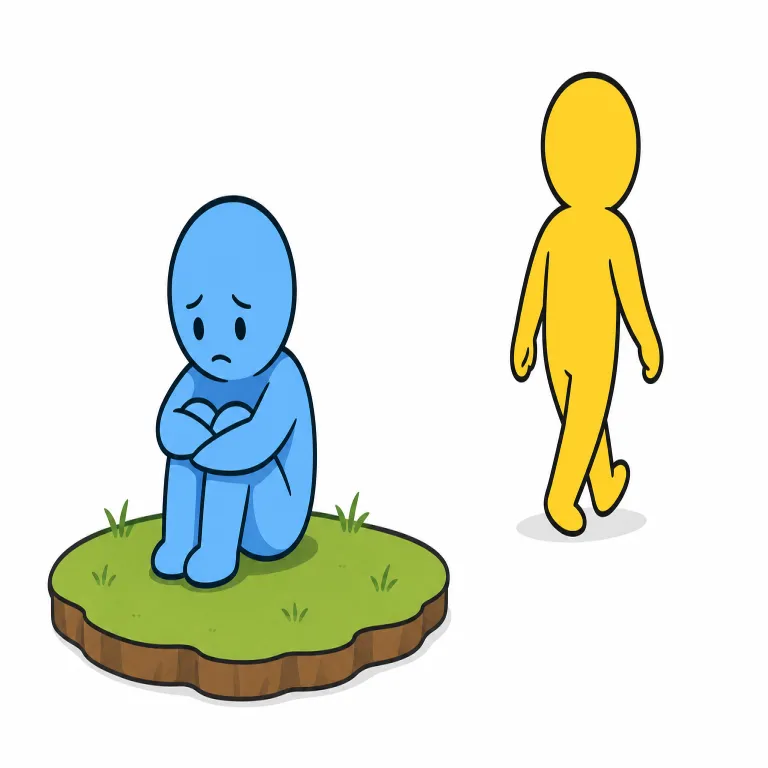
解説 Definition
人や動物、あるいは責任を負うべき相手を、助けや世話をせずそのまま去ることを表す。単に物を捨てるよりも、相手を保護・支援しない冷たさや無責任さを含むことが多い。家族、仲間、ペットなどについてよく使い、感情的に強い非難を伴いやすい。
To leave a person or animal without the care or support that you are responsible for providing. It often suggests cruel or irresponsible treatment of someone who depends on you.
例文
He abandoned his family when the business failed.
彼は事業が失敗すると家族を見捨てた。
Someone abandoned the puppy near our school.
誰かがその子犬を学校の近くに置き去りにした。
She refused to abandon her injured teammate.
彼女はけがをしたチームメイトを見捨てようとしなかった。
abandon の類義語・関連語
abandon の語源・成り立ち Etymology
abandon は古フランス語 abandoner に由来し、a bandon は「人の支配・意のままに」を意味しました。さらに bandon はゲルマン系の bannan にさかのぼり、「相手の手に委ねる」感覚から「見捨てる・放棄する」になりました。関連語は ban、bandit。
`Abandon` comes from Old French `abandoner`, based on the phrase `a bandon`, meaning "under someone's control" or "at someone's power." The deeper root is Germanic, related to `ban`, which originally had to do with command or authority. From the sense of leaving something to another's power, it came to mean giving up or leaving behind completely.
同じレベルの語彙をもっと
英検準2級の一覧へ →外部辞書で調べる
この英単語をクイズで覚えよう