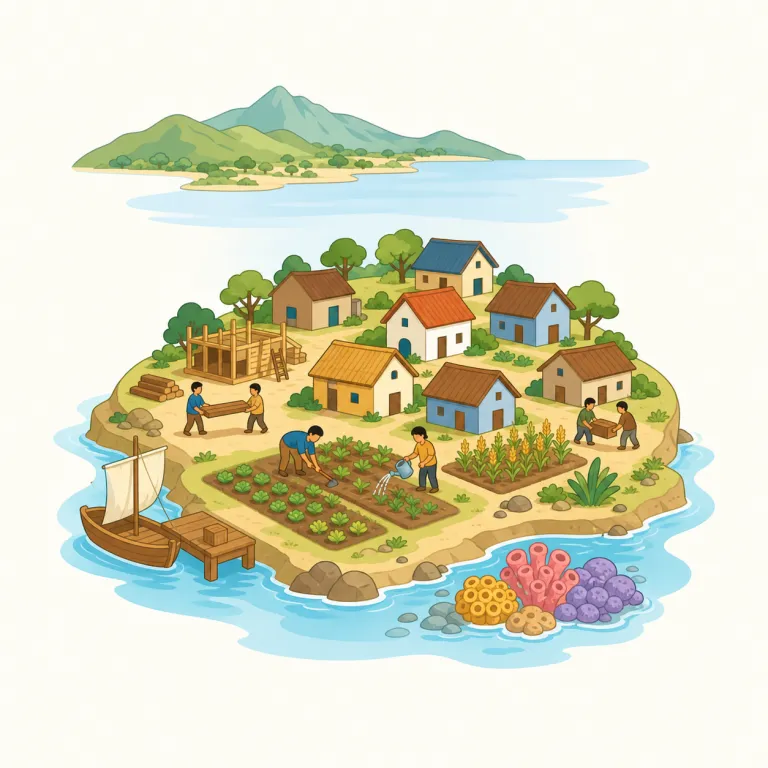
colony
colony は英検3級・TOEFL 60・IELTS 5.5レベルの英単語で、「植民地、群体」という意味があります。発音記号は /ˈkɑləni/ です。
植民地、群体
解説 Definition
colony は、他国から移住した人々が形成した植民地や入植地、または同種の生物が集まって暮らす群体・集団を指す名詞。人間社会にも動物や昆虫にも使われ、文脈によって政治的な植民地か生物のコロニーかが決まる。
A colony is a country or area controlled by another country, especially in history. It can also mean a group of animals or plants living together in one place, such as a colony of ants. The word has both political and biological uses.
覚え方のコツ Memory Tip
colony は colonize, colonial とセットで覚えると定着しやすい語。中心イメージは「よそから来たものが、ある場所に住みついてできた集まり」。そこから国の文脈では「植民地」、生物の文脈では「群体・コロニー」になる。a colony of ants / bees, bacterial colony, a former British colony などが頻出。単なる group より、同種のものがまとまって生活・繁殖している感じが強い。文脈で政治か生物かを切り替える。
Learn it with `colonize` and `colonial` as one word family. The core image is a group that settles and grows in a place. That helps you connect `a former British colony` with `a colony of ants` or `a bacterial colony`.
例文
A bee colony lives in a tree.
ハチの群れは木をすみかにしている。
The ant colony is very big.
アリのコロニーはとても大きい。
A colony of penguins lives on this island.
ペンギンの群れがこの島で暮らしている。
えいたんごクイズでの正答率
この語をはじめて出題された 38人 のうち 33人 が正解しました(87%)。
えいたんごクイズの回答から集計した独自データです。1人につき最初に出題されたときの1回だけを数えており、復習や2回目以降の回答、「わからない」と時間切れは含みません。 集計時点は 2026年9月19日 です。
colony の類義語・関連語
colony の語源・成り立ち Etymology
ラテン語 colōnia(入植地)から。語根は colōnus(耕作者・入植者)で、さらに colere(耕す・住む)に遡る。関連語: culture(文化=土地を耕すこと)、cultivate(栽培する)。土地を耕して住みつく人々の集団という原義が、生物の群体や植民地の意味に広がった。
Colony comes from Latin colonia, meaning "settlement" or "farm," from colonus "farmer" or "settler." These words go back to colere, meaning "to cultivate," "inhabit," or "care for," which is also behind culture and cultivate. The original idea was a group of people settling and working land, and this later expanded to political colonies and even groups of living organisms.
同じレベルの語彙をもっと
英検3級の一覧へ →外部辞書で調べる
この英単語をクイズで覚えよう