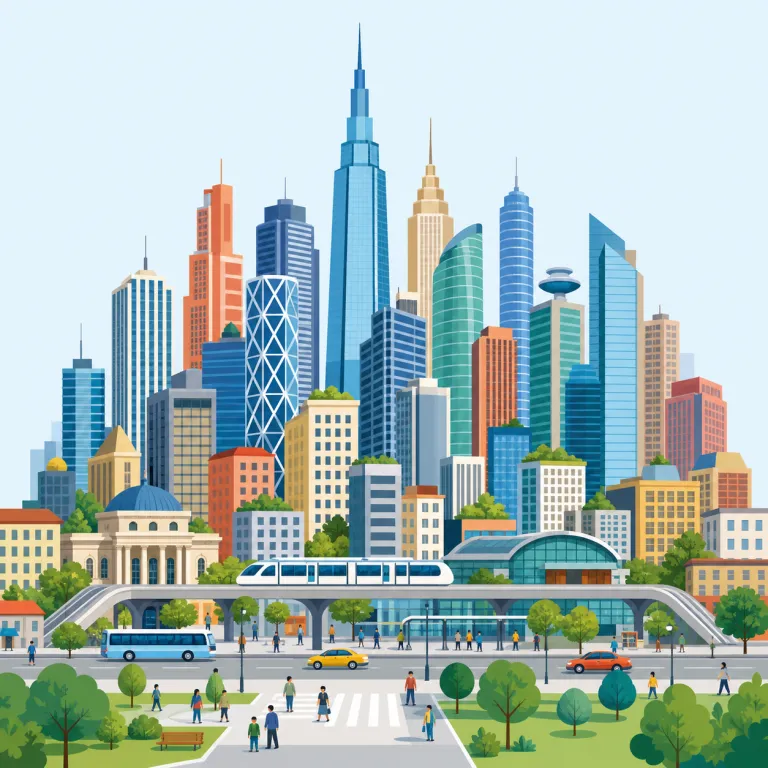
大都市
解説 Definition
大都市、特に帝国や国家の中心地。フランス語では本国(フランス本土)を植民地と区別して指す場合もある。
A metropole is a very large and important city, especially one that is a main center of business, culture, or government. It is a more formal word than city or big city. In some historical contexts, it can also mean the main country that rules colonies.
覚え方のコツ Memory Tip
まず metropolis を知っていれば入口になる語です。metro- は metro, metropolitan で見慣れた「都市・大都市圏」の感覚、metropole はその仲間だと押さえると記憶しやすいです。違いは、日常的な「大都市」なら metropolis の方が一般的で、metropole はやや硬く、歴史・政治文脈で「国家や帝国の中心都市」「植民地に対する本国側」という含みが出やすい点。the metropole and its colonies のような対比で覚えると、単なる都会ではなく「中心地」という核が残ります。
Connect it with `metro` and `metropolis`. They all share the idea of a big city or central city. `Metropole` sounds more formal, so it is easier to remember as a serious word for an important urban center.
例文
Many artists moved from the provinces to the metropole in search of patrons and opportunity.
多くの芸術家が後援者と機会を求めて地方から大都市へ移った。
The metropole was the seat of colonial power and government.
本国は植民地支配と統治の中枢だった。
Millions of residents call the metropole their home.
何百万人もの住民がその大都市を故郷としている。
metropole の類義語・関連語
metropole の語源・成り立ち Etymology
metropoleはフランス語 metropole を経て、後期ラテン語 metropolis、さらにギリシャ語 meter「母」+ polis「都市」にさかのぼる。『母なる都市』が周辺を生む中心地という発想で、大都市の意味が腑に落ちる。関連語は metropolis, metropolitan。
Metropole came into English through French metropole, from Late Latin metropolis, and ultimately from Greek meter "mother" and polis "city." The original idea was a "mother city," the main city that founded or ruled smaller communities. From that, the word developed the sense of a central or major city. Related English words include metropolis and metropolitan.
同じレベルの語彙をもっと
外部辞書で調べる
この英単語をクイズで覚えよう