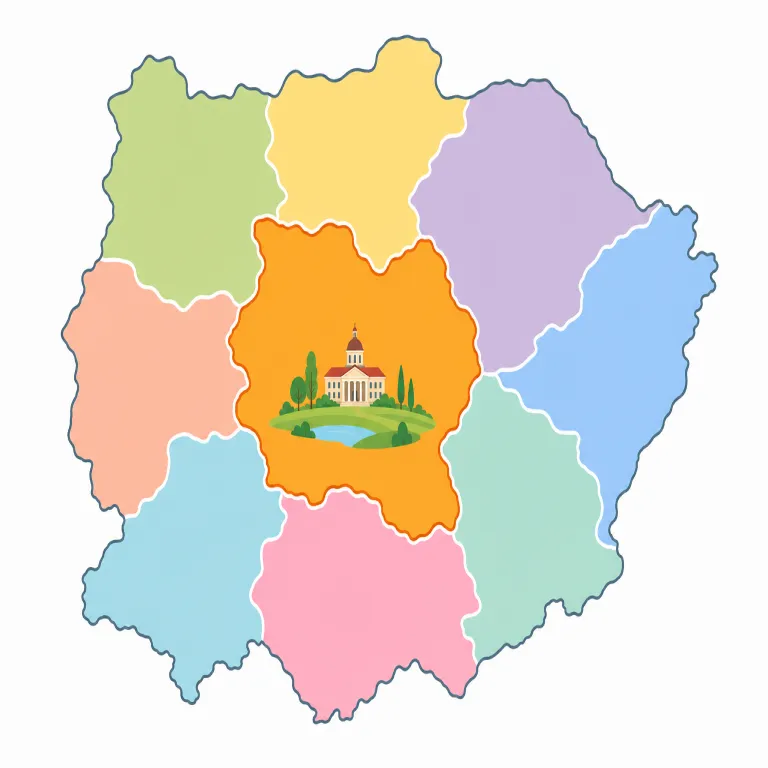
province
province は英検2級・TOEIC 860・TOEFL 80・IELTS 6.5レベルの英単語で、「州」という意味があります。発音記号は /ˈprɑːvɪns/ です。
州
解説 Definition
国や地域を構成する州・省などの行政区画を指す。特定の地域を管轄する行政単位としての側面があり、国の中で面積や人口をもつ単位でもある。転じて、ある人物の専門分野や担当領域という意味でも使われる。
A province is a large area of a country that has its own local government or administrative system. It is a common word in geography, politics, and news. The exact role of a province depends on the country.
覚え方のコツ Memory Tip
まず place に近い「地域・区画」の語として押さえ、国の中を分けた大きな行政単位を表す語だと覚えると定着しやすいです。Canada has ten provinces. のように国名と一緒に出やすく、state と似るが、国によって公式名称が違うだけで「国を構成する大きな地域」という感覚は共通。さらに比喩で「担当分野・専門領域」の意味もあり、That’s not my province. で「それは自分の領分ではない」と覚えると広がりが出ます。
Think of a `province` as a big part of a country, similar to a `state` in some places. It often appears with country names, like Canada or China, so connect it to maps. Also remember the expression `That’s not my province`, where it means someone’s area of responsibility.
例文
This province is in our country.
この州は私たちの国にあります。
Many people live in this province.
多くの人がこの州に住んでいます。
The province has three cities.
その州には3つの市があります。
province の類義語・関連語
province の語源・成り立ち Etymology
ラテン語 provincia(属州・管轄地)に由来し、pro-(前もって・代わりに)+ vincere(征服する)が原義とされる。古代ローマがイタリア外の征服地を管轄する行政区を指した語。victory(勝利)や convince(納得させる)も同じ vincere が語根。征服地の管理区域から州・地方の意味に発展した。
Province comes from Latin provincia, the word Romans used for a territory under their control or administration. It entered English through French and first referred to a governed region outside the Roman heartland. Over time, the meaning widened to any large administrative area, such as a state or region.
同じレベルの英単語をもっと
英検2級の一覧へ →外部辞書で調べる
この単語を英単語クイズで覚えよう