
lock
lock はTOEIC 600レベルの英単語で、「錠、鍵、施錠する、閉じ込める」という意味があります。発音記号は /ˈlɑːk/ です。
意味一覧 (2件)
錠、鍵
/ verb 動詞 施錠する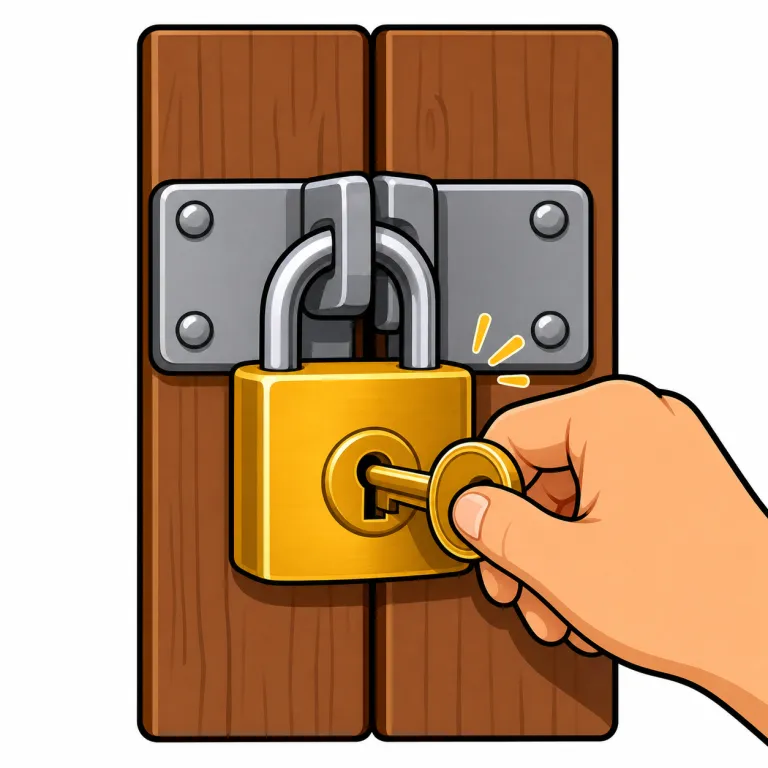
解説 Definition
ドアや箱などを開かないように固定するための金具や仕組みを指す名詞です。家の玄関の錠、ロッカーの鍵、南京錠など、物を守ったり無断で開けられないようにしたりする場面で使われます。主に物理的な器具や装置を表す基本語です。
A device that keeps a door, box, or similar object securely closed until someone uses the right key or code. It helps prevent people from opening something without permission.
覚え方のコツ Memory Tip
「lock」はまず対になる「unlock」とセットで覚えると定着しやすい語です。単なる close / shut が「閉める」なのに対し、lock は「鍵・番号・パスコードで開かない状態にする」が核心。lock the door, lock your car, lock your phone のように、安全や防犯の場面でよく出ます。名詞の a lock(錠前)も同形なので、「錠前をかける動作」がそのまま動詞になったと見ると覚えやすいです。
Picture a lock as the device on a door and a key as the separate object that opens it. Connect a lock with unlock: you operate the device to let the door open.
例文
This lock is big.
この錠は大きいです。
The lock is on the door.
その錠はドアについています。
I need a new lock.
新しい錠が必要です。
閉じ込める
(意味 2)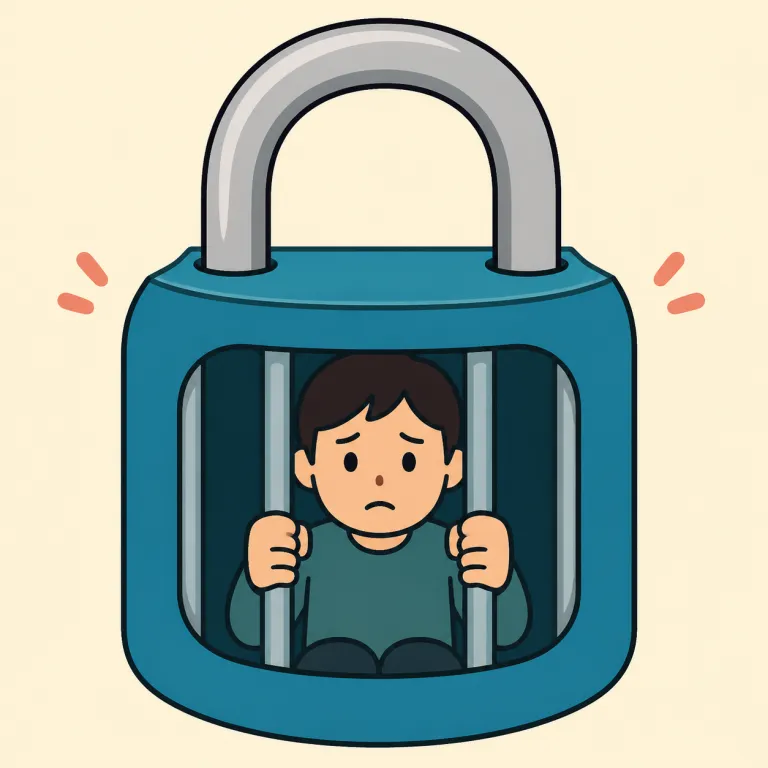
解説 Definition
人や動物などを外へ出られない状態にすることを表す動詞です。部屋や車内に閉じ込めるように、中に入れたまま逃げられなくする場面でよく使われます。単に鍵をかけることより、相手が中にいて出られない結果に焦点があります。
To keep a person or animal inside a place by securing the exit so they cannot get out. The focus is on leaving someone confined inside a room, vehicle, or other enclosed space.
覚え方のコツ Memory Tip
lock はここでは単にドアへ鍵をかける動作ではなく、「中にいる人や動物を出られなくする」結果に注目します。lock A in B を一組で覚え、lock the dog in the garage なら「犬をガレージに閉じ込める」。Aが閉じ込められる相手、Bが囲われた場所です。shut は扉などを閉めるだけでも使えますが、lock A in B には錠によって逃げ道を断つ感じがあります。車内の子どもがドアを開けられない場面を思い浮かべ、「鍵の内側に人が残る」と固定すると定着しやすいです。
Learn lock A in B: A is the person or animal kept inside, and B is the place. Picture someone remaining on the inside of a secured door with no way to open it.
例文
They locked the dog in the garage.
彼らは犬をガレージに閉じ込めた。
They locked her in the room.
彼らは彼女をその部屋に閉じ込めた。
Don't lock the kids in the car.
子どもたちを車に閉じ込めてはいけない。
lock の類義語・関連語
lock の語源・成り立ち Etymology
古英語 loc(掛け金、囲い)からゲルマン祖語 *lukō に遡る。「閉じ込める・固定する」が原義。関連語: locket(小さな錠前型ペンダント)、locksmith(錠前師)。鍵で固定する動作から比喩的に「動けなくする」意味にも広がった。
The word comes from Old English loc, meaning a fastening or enclosure. Its underlying idea is keeping something enclosed or fixed in place.
同じレベルの語彙をもっと
TOEIC 600の一覧へ →外部辞書で調べる
この英単語をクイズで覚えよう