weapon
weapon は英検3級・TOEIC 730・TOEFL 60・IELTS 5.5レベルの英単語で、「武器」という意味があります。発音記号は /ˈwɛpən/ です。
意味一覧 (2件)
武器
解説 Definition
戦闘で用いる道具や装備。敵を傷つけるために設計された物。暴力に使用される物。
A weapon is an object used to hurt, kill, or threaten someone in a fight or war. Common weapons include guns, knives, and bombs. The word is often used in news, history, law, and discussions about violence or self-defense.
覚え方のコツ Memory Tip
weapon は、使い道の広い tool と違って「傷つけるための道具」という芯をまず固定すると覚えやすい。carry a weapon, use a weapon, a deadly weapon のように、持つ・使う・危険な、の語と強く結びつく。複数形 weapons になると銃器や兵器全体、nuclear weapons のような軍事語でも頻出。似た arms は集合的で軍事寄り、weapon は一本の銃やナイフにも言える、と区別すると定着しやすい。
Think of a weapon as a special kind of tool: not for general use, but for harm or attack. Common pairs like `carry a weapon`, `use a weapon`, and `deadly weapon` help fix the word in memory. Also note the contrast: `arms` sounds more military and collective, but `weapon` can mean one gun or one knife.
例文
This weapon is very dangerous.
この武器はとても危険です。
Do not touch the weapon.
その武器に触ってはいけません。
The guard has a weapon.
警備員は武器を持っています。
えいたんごクイズでの正答率
この語をはじめて出題された 41人 のうち 36人 が正解しました(88%)。
えいたんごクイズの回答から集計した独自データです。1人につき最初に出題されたときの1回だけを数えており、復習や2回目以降の回答、「わからない」と時間切れは含みません。 集計時点は 2026年9月19日 です。
武器
(意味 2)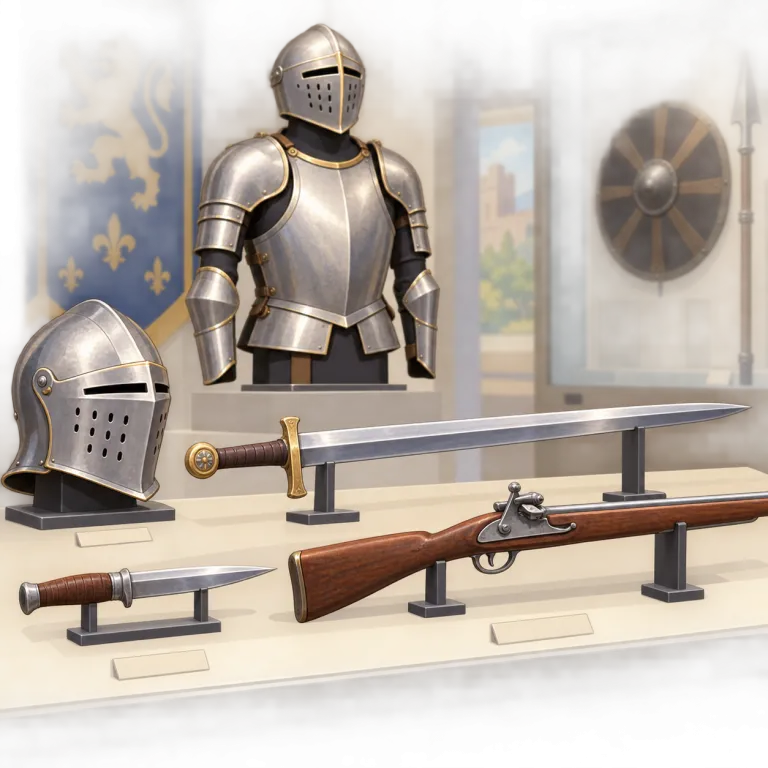
解説 Definition
人や物を攻撃したり、自分の身を守ったりするための道具や装備を指す名詞です。銃・ナイフ・ミサイルなどの実物を表すのが基本ですが、比喩的に、競争や交渉で有利に働く強みや手段をいうこともあります。
A weapon is an object used to fight, attack, or defend against someone or something. Common examples include guns, knives, and bombs, and the word is often used in military, crime, or safety contexts. It can also be used more broadly for anything used as a means of attack.
覚え方のコツ Memory Tip
weapon は「銃」という1種類ではなく、gun, knife, bomb, missile をまとめる『攻撃・防御に使うもの全般』という箱で覚えると整理しやすいです。具体名の上位語として使え、news では nuclear weapon, chemical weapon が頻出。arms よりも個々の道具を意識しやすく、比喩でも a weapon against disease, words can be a weapon のように『相手に効く手段』へ広がると押さえると定着します。
Remember weapon as a big category word, not just one thing like a gun. It covers many tools such as knives, bombs, or missiles. It is also common in wider phrases like "a weapon against disease," so think of it as something used to fight or attack.
例文
The guard carried a weapon for self-defense.
その警備員は護身用の武器を携帯していました。
Police found a hidden weapon under the seat.
警察は座席の下に隠された武器を発見しました。
Education can be a powerful weapon against poverty.
教育は貧困に対抗する強力な武器になりえます。
weapon の類義語・関連語
類義語
対義語
weapon の語源・成り立ち Etymology
古英語 wǣpen(武器・道具)に由来し、ゲルマン祖語 *wēpną に遡る。もとは戦闘用の道具全般を指した。関連語: weaponry(兵器類)。ドイツ語 Waffe も同根で、身を守る・戦う道具という基本義は古代から一貫している。
"Weapon" comes from Old English "wǣpen," meaning a weapon or tool, and goes back to Proto-Germanic "*wēpną." In early use, it could mean fighting equipment in a broad sense, not just one specific kind of arm. The basic idea of a tool for attack or defense has stayed very stable over time. Related words include "weaponry," and German "Waffe" comes from the same root.
同じレベルの語彙をもっと
英検3級の一覧へ →外部辞書で調べる
この英単語をクイズで覚えよう