
sharp
sharp は英検準2級・TOEIC 730・TOEFL 60・IELTS 5.5レベルの英単語で、「鋭い、頭の切れる、鋭い、刺すような(痛み)、急な、急激な、鮮明な、くっきりした」という意味があります。発音記号は /ˈʃɑːrp/ です。
意味一覧 (4件)
鋭い、頭の切れる
解説 Definition
刃先や先端が鋭いという意味のほか、人や考えに対しては頭の回転が速く、物事を的確に見抜くという意味でも使う形容詞。助言や観察が鋭敏で的を射ていること、反応や判断が機敏であることも表せる。
Sharp can describe something with a thin edge or point that can cut or hurt easily. It can also describe a person who is quick to notice, think, or understand things. The meaning depends on context, so it may refer to a physical quality or mental ability.
覚え方のコツ Memory Tip
まずは基本の「刃物がsharp=切れ味がよい」を軸にすると広がります。先端や感覚が“鋭くとがっている”イメージから、a sharp knife だけでなく、a sharp mind で「頭の切れる」、a sharp question で「核心を突く質問」に広がると覚えると定着しやすいです。単なる smart より、反応や観察が速く、的確に刺さる感じが強め。sharp turn, sharp contrast など「急・くっきり」にも出るので、鋭さが形・思考・変化に共通していると見ると整理できます。
Start with the image of a `sharp knife`. From that idea of a strong edge, the word also grows into `a sharp mind` and `a sharp question`. It often carries the feeling of being quick, exact, and cutting right to the point.
例文
This knife is sharp.
このナイフは鋭い。
This sharp pencil has a fine point.
この鉛筆は先が鋭くとがっています。
A sharp pin hurts.
先の鋭いピンが刺さると痛い。
えいたんごクイズでの正答率
この語をはじめて出題された 59人 のうち 54人 が正解しました(92%)。
えいたんごクイズの回答から集計した独自データです。1人につき最初に出題されたときの1回だけを数えており、復習や2回目以降の回答、「わからない」と時間切れは含みません。 集計時点は 2026年9月19日 です。
鋭い、刺すような(痛み)
(意味 2)解説 Definition
sharp は、痛みが鋭く、切られたり刺されたりするように感じられることを表す形容詞です。sharp pain と組み合わせて使います。痛みの感じ方を述べる語で、単に重症度だけを示す severe や、刃物の切れ味の意味とは区別します。
When describing pain, sharp means keen and piercing, as if something were cutting or pricking the body. It describes how the pain feels.
覚え方のコツ Memory Tip
sharp pain を「鋭い痛み」と組で覚えます。痛みを述べている場面では、人の頭の切れや刃物の切れ味ではなく、切られるような鋭い感覚に注目します。
例文
I felt a sharp pain in my ankle.
足首に鋭い痛みを感じた。
Is the pain sharp or dull?
痛みは鋭い感じですか、それとも鈍い感じですか。
急な、急激な
(意味 3)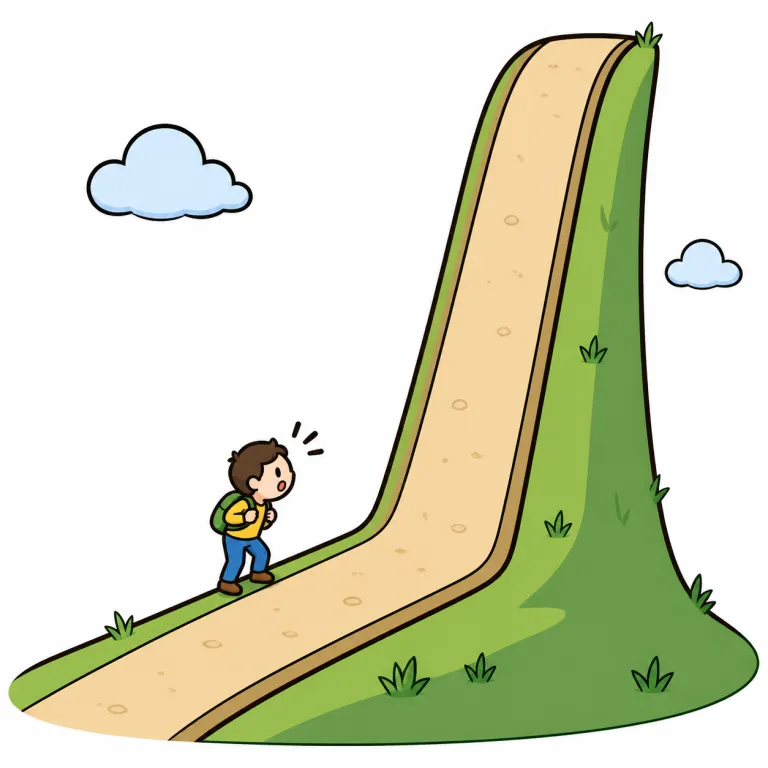
解説 Definition
角度・坂道・曲がり方などが大きく、なだらかでない様子を表す。また、価格・温度・数量の変化が短時間に大きく起こるときにも使う。物の切れ味や人の頭の良さではなく、変化や形の急さに注目した語義。
Having a pronounced bend, angle, or slope rather than a gentle one. It also describes a large change in price, temperature, or quantity over a short time.
覚え方のコツ Memory Tip
まずは基本の「刃物がsharp=切れ味がよい」を軸にすると広がります。先端や感覚が“鋭くとがっている”イメージから、a sharp turn で「急なカーブ」、a sharp decline で「急激な減少」のように、形や変化がゆるやかでなく鋭く切り立つ感じになります。単なる sudden より、角度や差がはっきり大きいニュアンス。a sharp knife や a sharp mind の「鋭い」と切り分けて、この語義では道・坂・変化がなだらかでないことに注目すると整理しやすいです。
Picture a road or graph making an angular change like the edge of a blade. Remember a sharp turn and a sharp decline: the direction or amount changes markedly rather than gradually.
例文
There was a sharp turn ahead.
この先に急なカーブがあった。
There was a sharp fall in prices.
値段が急激に下がった。
There was a sharp drop in temperature.
気温が急激に下がった。
鮮明な、くっきりした
(意味 4)
解説 Definition
画像・輪郭・音・記憶などがはっきりしていて、ぼやけていない状態を表す。細部まで明確に知覚できることが中心で、写真やディスプレー、録音、印象の強い記憶などについてよく使われる。
Clear and distinct, with details that can be easily seen, heard, or recalled. It describes pictures, outlines, sounds, or mental images that are not blurred or vague.
覚え方のコツ Memory Tip
まずは基本の「刃物がsharp=切れ味がよい」を軸にすると広がります。刃の輪郭がはっきりしているイメージから、a sharp picture で「鮮明な映像」、a sharp memory で「くっきりした記憶」のように、ぼやけず細部まで見える・思い出せる感じになります。a sharp mind の「頭が切れる」や sharp turn の「急な」と切り分けて、この語義では輪郭・音・記憶がはっきりしていることが中心。clear に近いですが、より細部までピントが合っている感じで覚えると定着しやすいです。
Imagine the clearly defined edge of a blade, then picture a photograph with equally distinct details. Use a sharp picture or a sharp mental image to remember that the details are easy to see or recall.
例文
The new TV has a sharp picture.
その新しいテレビは映像が鮮明だ。
I still have a sharp mental image of that day.
私はあの日のことを今でもくっきりと思い浮かべられる。
The image looked sharp and clear on the phone.
スマートフォンの画面でもその画像はくっきり鮮明に見えた。
sharp の類義語・関連語
sharp の語源・成り立ち Etymology
古英語 scearp(鋭い・切れる)に由来し、ゲルマン祖語 *skarpaz から。関連語に shear(刈る)やドイツ語 scharf(鋭い)がある。刃物の「鋭さ」から転じて、頭の回転が速い=「賢い・鋭敏な」という意味が生まれた。
Sharp comes from Old English scearp, from an older Germanic root also seen in German scharf. It is related to words such as shear, all carrying the idea of cutting or a keen edge. From physical sharpness, English later extended it to mental quickness, as in a sharp mind.
同じレベルの語彙をもっと
英検準2級の一覧へ →外部辞書で調べる
この英単語をクイズで覚えよう