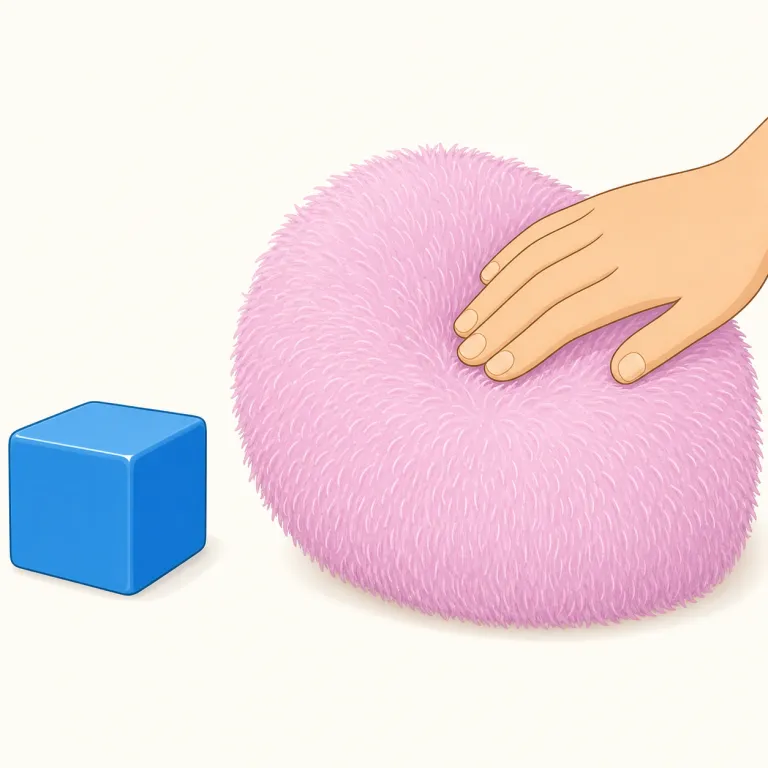
fuzzy
fuzzy は英検準1級・TOEIC 990・TOEFL 100・IELTS 7.5レベルの英単語で、「ふわふわした、ぼやけた、もじゃもじゃした、ぼやけた」という意味があります。発音記号は /ˈfʌziː/ です。
ふわふわした
解説 Definition
布・毛・髪などが柔らかく、細かい毛でおおわれていて、軽くふくらんだ質感を表す。動物の毛並み、セーター、毛布のように、見た目にも手触りにもやわらかさが感じられるものによく使う。単に柔らかいだけでなく、毛羽立った表面の感じを含む。
Covered with fine, soft hairs or fibers that give the surface a slightly fluffy texture. This often describes animal fur, sweaters, blankets, or other things that look and feel softly hairy.
覚え方のコツ Memory Tip
まず clear / sharp の反対側に置くと覚えやすい語です。輪郭・説明・記憶が「くっきりしていない」ときが fuzzy。写真なら blurry に近いですが、fuzzy は少し毛羽立って境目が甘い感じまで含みます。見た目では furry / fluffy に近い「ふわふわした毛」の感触にも使えるので、毛羽立つ感じから、考えや記憶までぼんやりしていると広げて覚えると定着します。fuzzy memory, fuzzy logic の形も頻出です。
Think of fuzz as the fine, soft fibers standing out from a warm blanket. Add -y to picture a fuzzy surface covered in that softness. Remember fuzzy socks by imagining their gently fluffy texture against your skin.
例文
The puppy has fuzzy paws.
その子犬の足先はふわふわしている。
She wrapped herself in a fuzzy blanket.
彼女はふわふわした毛布にくるまった。
I like wearing fuzzy socks in winter.
冬はふわふわした靴下をはくのが好きだ。
ぼやけた、もじゃもじゃした
(意味 2)
解説 Definition
縮れていたり、もじゃもじゃしている毛や髪の質感。また、不明確または曖昧な様子も表します。
Fuzzy means not clear, exact, or easy to understand. It can describe ideas, memories, or information that seem vague or uncertain. In other contexts, it can also mean soft and covered with fine hair, so the meaning depends on the situation.
覚え方のコツ Memory Tip
まず clear / sharp の反対側に置くと覚えやすい語です。輪郭・説明・記憶が「くっきりしていない」ときが fuzzy。写真なら blurry に近いですが、fuzzy は少し毛羽立って境目が甘い感じまで含みます。髪や布なら「けば立った・ふわふわした」、画像や考えなら「あいまいな・ぼんやりした」。毛羽立つ感じから、境界がはっきりしない感覚へ広げて覚えると定着します。fuzzy memory, fuzzy logic も頻出です。
Think of something that is not clear or sharp. `Fuzzy` is useful for both ideas and images: a `fuzzy memory` or a `fuzzy photo`. You can also connect it to a soft, hairy surface, which helps you remember the sense of unclear edges.
例文
Her fuzzy hair was hard to brush.
彼女のもじゃもじゃした髪は、ブラシをかけにくかった。
The picture looked fuzzy on the screen.
画面の画像はぼやけて見えました。
The fuzzy outline of the distant mountains made them look mysterious.
遠くの山々は輪郭がぼんやりしていて、神秘的に見えました。
ぼやけた
(意味 3)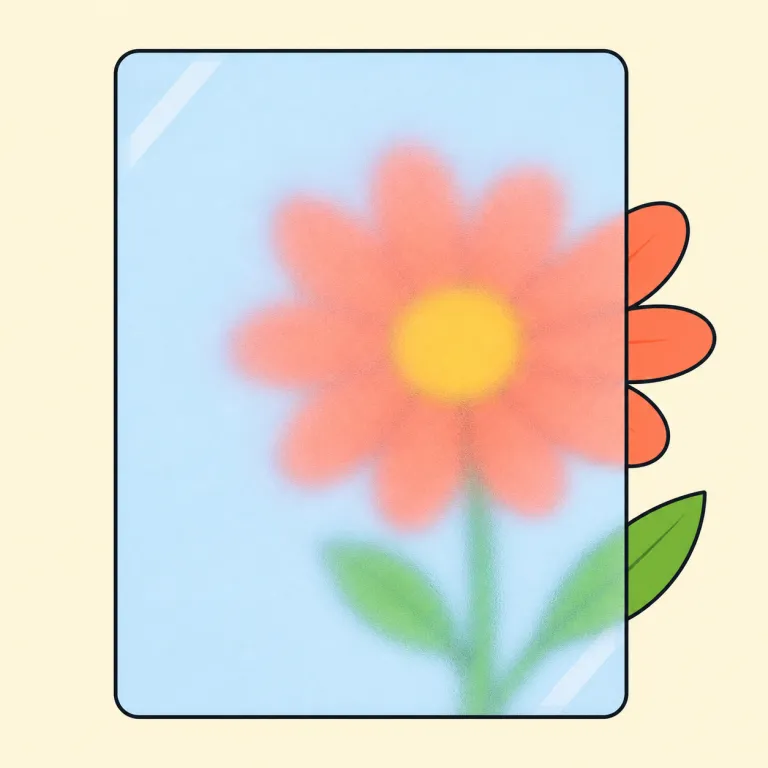
解説 Definition
写真・映像・輪郭などがはっきりせず、細部が見分けにくい状態を表す。ピントが合っていないときや、霧・揺れ・低画質のために像がにじんで見える場面でよく使う。視覚的に不鮮明だというニュアンスが中心。
Visually unclear, with edges or details that are difficult to distinguish. It describes pictures, images, or outlines affected by poor focus, fog, movement, or low image quality.
例文
The photo came out fuzzy.
その写真はぼやけて写った。
The TV picture turned fuzzy during the storm.
嵐のあいだテレビの映像がぼやけた。
I could only see a fuzzy outline through the fog.
霧の向こうにはぼやけた輪郭しか見えなかった。
fuzzy の類義語・関連語
対義語
紛らわしい語
fuzzy の語源・成り立ち Etymology
fuzzy は英語 fuzz「綿毛・けば」からできた語で、語尾 -y が付いて「毛羽立った感じ」を表します。fuzziness や fuzzball も同根で、輪郭が毛羽立つ感覚から「ぼんやりした・あいまいな」意味へ広がった、と見ると納得しやすいです。
Fuzzy is formed from the English noun fuzz, meaning "fine soft hair or fibers," with the adjective suffix -y.
同じレベルの語彙をもっと
英検準1級の一覧へ →外部辞書で調べる
この英単語をクイズで覚えよう